Understanding the Mechanics of 1v1 Chat Apps for Remote Teams

In this article

Understanding the Mechanics of 1v1 Chat Apps for Remote Teams
In 2026, digital communication has evolved beyond simple text messaging. Modern 1v1 chat apps now serve as the backbone for remote team synchronization, allowing for immediate audio and video connections. Unlike traditional platforms that require scheduling a link hours in advance, these 1v1 chat apps focus on reducing friction by enabling "always-on" or "one-click" availability. This transition mimics the natural environment of a physical office where you can simply look over to see if a colleague is free to talk.
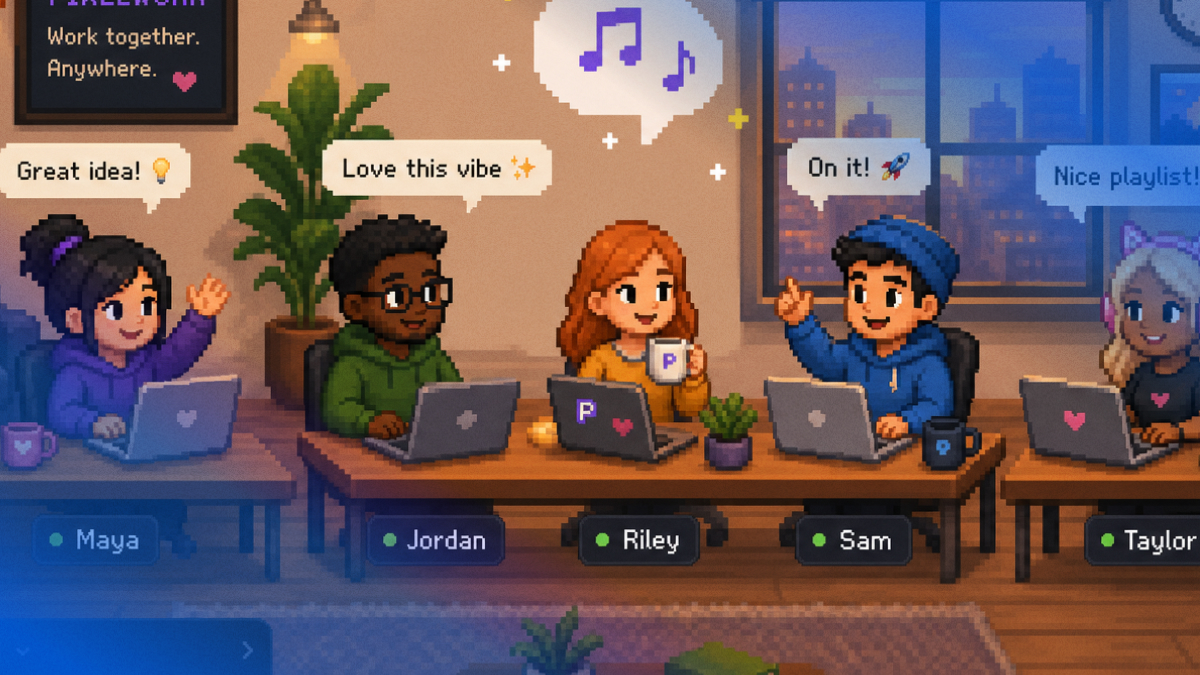
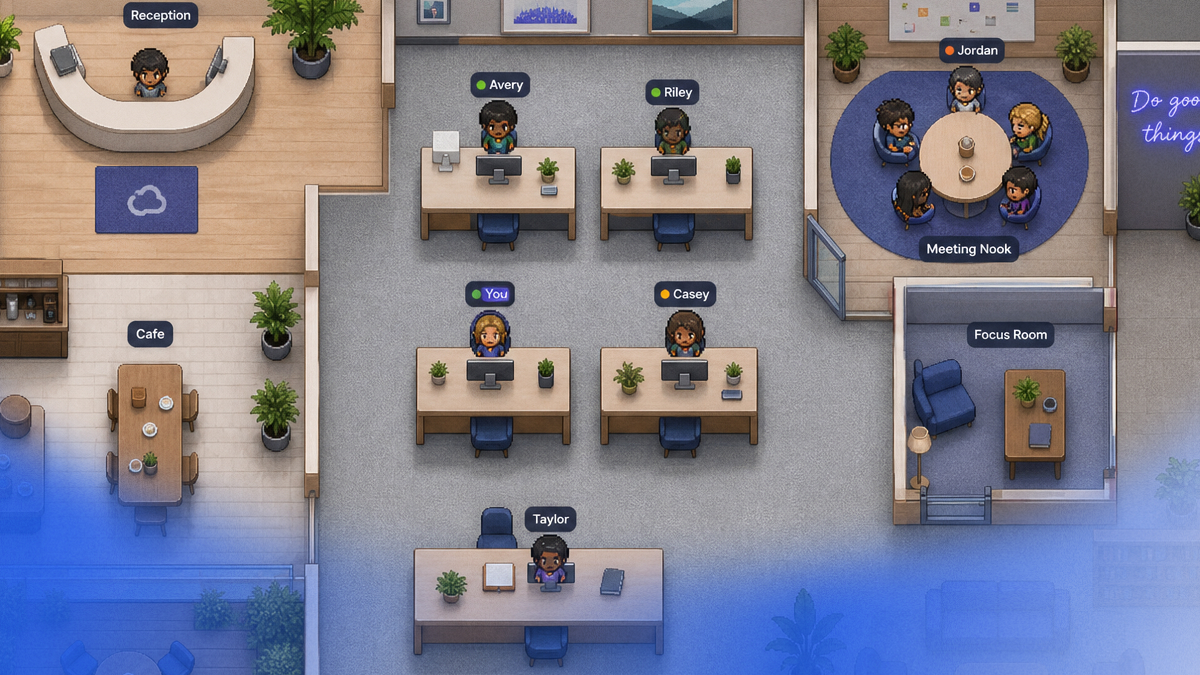
The core functionality of effective 1v1 chat apps relies on real-time presence indicators. These indicators inform users whether a teammate is currently focused, in a deep-work session, or available for a quick sync. By using Hurbly.ai, teams can visualize their entire workspace at a glance. This visibility ensures that when you use 1v1 chat apps to reach out, you are doing so at an appropriate time, respecting the boundaries of your coworkers while maintaining high levels of productivity.
How Presence Technology Enhances Digital Interactions
Presence technology is the technical foundation that makes high-quality 1v1 chat apps useful for distributed organizations. It functions by tracking active window status, calendar integrations, and manual status updates to provide a live map of the team. When integrated with 1v1 chat apps, this technology prevents the "interruption fatigue" often caused by constant notifications. Instead of sending a "ping" and waiting for a reply, users can see who is active and start a conversation instantly.
The relevance of this technology lies in its ability to foster spontaneous collaboration. Most innovative ideas in a physical office happen during unplanned encounters; 1v1 chat apps aim to replicate this digital "watercooler" effect. By seeing a colleague's status on a platform like Hurbly.ai, a developer can quickly initiate a 1v1 chat app session to debug a line of code together, rather than waiting for a weekly scheduled meeting that might slow down the development cycle.
Key Features to Look for in 1v1 Chat Apps
When selecting tools for a remote workforce, it is important to evaluate the specific features that differentiate standard messengers from specialized 1v1 chat apps. The goal is to minimize the steps between wanting to talk and actually speaking. Below are the essential components found in modern communication software:
- Real-time Availability Maps: A visual dashboard showing who is online and their current engagement level.
- Instant Audio/Video Toggle: The ability to switch from text to voice within 1v1 chat apps without generating new meeting IDs.
- Focus Mode Protection: Automated status updates that block incoming 1v1 chat apps requests when a user is in a "Deep Work" state.
- Low Latency Infrastructure: High-speed data transmission to ensure that video and audio calls remain stable across different geographic regions.
| Feature | Traditional Messaging | Modern 1v1 Chat Apps |
|---|---|---|
| Connection Speed | High (Requires scheduling/links) | Low (Instant one-click access) |
| Presence Awareness | Basic (Online/Offline) | Advanced (Focused/Meeting/Available) |
| Spontaneity | Low | High |
| Context | Text-heavy | Visual and Interactive |
Why Distributed Teams Prioritize 1v1 Chat Apps
Distributed teams face the unique challenge of "siloed" communication, where employees feel isolated from their peers. Utilizing 1v1 chat apps helps bridge this gap by creating a shared digital space. These tools are particularly relevant for freelancers and agencies that need to maintain a high level of transparency with clients or partners. When everyone is visible on a platform like Hurbly.ai, the psychological distance between team members decreases, leading to better morale and faster decision-making.
Furthermore, the integration of 1v1 chat apps into the daily workflow reduces the reliance on long, exhausting group video conferences. Instead of a one-hour meeting with ten people, many teams find that five-minute bursts through 1v1 chat apps are more effective for resolving specific issues. This shift toward micro-communications allows for a more fluid workday, where information flows naturally as needed rather than being bottled up for a specific time slot.
Implementing a Virtual Office Strategy
To successfully integrate 1v1 chat apps into your organization, you must establish clear protocols for their use. This ensures that the technology remains a tool for efficiency rather than a source of distraction. Following a structured approach helps teams transition from legacy communication methods to a more dynamic virtual office environment.
- Define Status Meanings: Ensure every team member understands what "Available" or "Busy" looks like in the context of your 1v1 chat apps.
- Encourage Spontaneity: Train leads to use 1v1 chat apps for quick questions instead of sending emails or scheduling formal calendar events.
- Respect Focus Time: Use the automation features in Hurbly.ai to automatically set statuses, preventing 1v1 chat apps interruptions during critical tasks.
- Audit Communication Flow: Periodically review if the use of 1v1 chat apps is reducing the number of unnecessary meetings and adjust habits accordingly.
By focusing on these strategies, organizations can maximize the utility of 1v1 chat apps, ensuring that remote work feels as connected and collaborative as being in the same room. The ultimate goal is to create a digital environment where communication is effortless and the team's collective presence is always felt.