Implementing Agile Methodology for Remote Team Success
In this article

Implementing Agile Methodology for Remote Team Success
The adoption of Agile methodology has transformed how modern organizations approach project management and software development. By focusing on iterative progress, accountability, and continuous improvement, teams can respond to changes faster than traditional linear models. In a remote work environment, maintaining the core tenets of Agile methodology requires specific digital tools that bridge the gap between physical distance and collaborative synchronization.
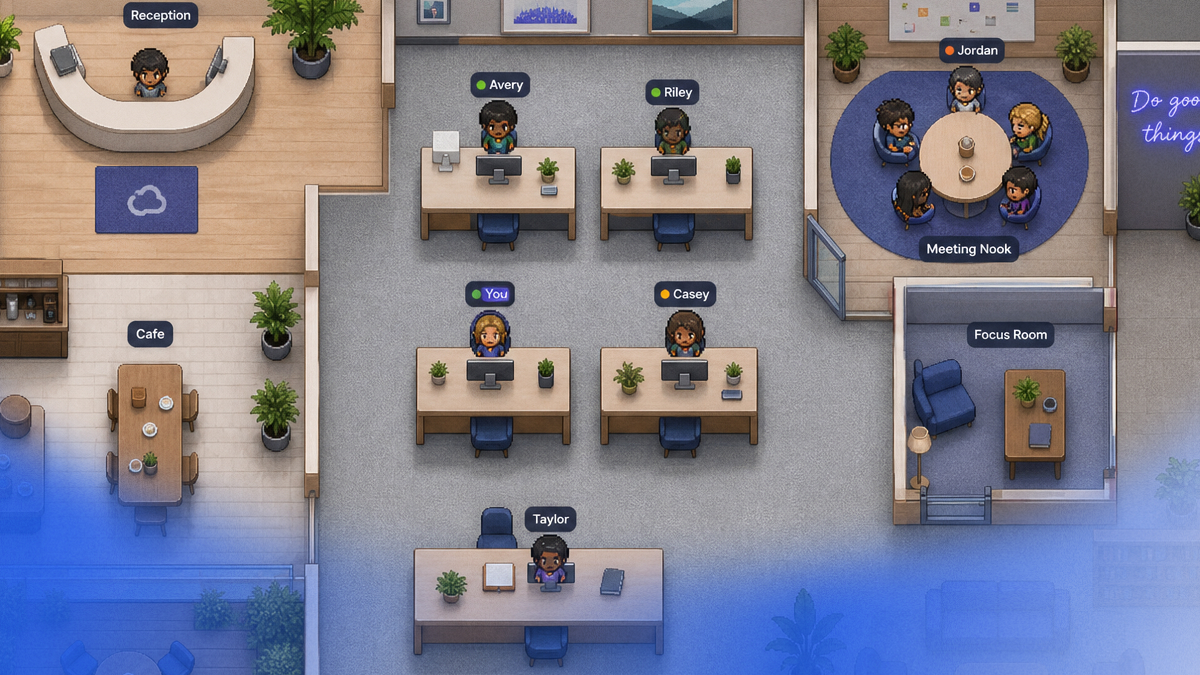
Effective communication serves as the backbone of any successful Agile methodology implementation. When teams are distributed across different time zones, the lack of spontaneous interaction can slow down the feedback loops necessary for rapid iteration. Utilizing platforms like Hurbly.ai allows teams to maintain a high level of presence and visibility, ensuring that the collaborative spirit of the Agile methodology remains intact even without a physical office space.
Core Principles of Agile Methodology in Distributed Environments
The fundamental goal of Agile methodology is to deliver value to the customer through small, manageable increments. This approach reduces risk by allowing for frequent testing and adjustments based on real-world data. In 2026, remote teams prioritize transparency to ensure that every member understands the current state of a sprint. Without clear visibility into who is available or focused, the rapid decision-making required by Agile methodology can become bottlenecked by scheduled meetings.
To optimize the workflow, teams often categorize their tasks into specific phases. These phases ensure that the Agile methodology is applied consistently across the entire lifecycle of a project:
- Backlog Refinement: Identifying and prioritizing the most impactful tasks for the next cycle.
- Sprint Planning: Defining the scope of work and setting achievable goals for the upcoming iteration.
- Daily Stand-ups: Brief synchronization meetings to discuss progress and identify obstacles.
- Sprint Review: Demonstrating the completed work to stakeholders for immediate feedback.
- Retrospective: Analyzing the team's performance to improve the application of Agile methodology in future sprints.
Enhancing Team Presence and Real-Time Collaboration
One of the biggest challenges in executing Agile methodology remotely is the loss of "watercooler moments"—those informal chats that often lead to quick problem-solving. Hurbly.ai addresses this by providing a virtual office environment where team members can see each other's status in real-time. This visibility supports the Agile methodology by making it clear when a developer is available for a quick pair-programming session or when a product owner is in a deep-focus mode.
When team members can see who is present, the friction of communication decreases. Instead of waiting for a reply to a message or scheduling a formal call for later in the day, users can initiate instant conversations. This immediacy is vital for the Agile methodology, which thrives on reducing the "time to information." By mimicking the presence of a physical office, teams can maintain the momentum needed to complete sprints on time and with higher quality.
Comparing Traditional and Agile Workflows
Understanding the differences between legacy systems and Agile methodology helps organizations transition more effectively. While traditional models rely on heavy documentation and rigid phases, the Agile methodology prioritizes functional results and adaptability. The following table illustrates how these approaches differ in a modern, remote-first context.
| Feature | Traditional Waterfall | Agile Methodology |
|---|---|---|
| Flexibility | Low; changes are difficult and costly. | High; changes are expected and integrated. |
| Delivery | Single delivery at the end of the project. | Continuous delivery of functional increments. |
| Feedback | Received late in the development process. | Received early and often during every sprint. |
| Visibility | Limited to milestone reports. | Real-time through tools and daily updates. |
| Team Interaction | Siloed departments with formal handoffs. | Cross-functional teams with constant collaboration. |
Sustaining Long-Term Velocity with Agile Methodology
Maintaining a consistent pace, or "velocity," is a key metric in Agile methodology. It allows teams to predict future performance based on historical data. However, burnout is a risk in remote settings if boundaries are not respected. Tools that show "focused" or "busy" statuses help protect a team's deep-work time, which is essential for the technical excellence demanded by Agile methodology.
By integrating Hurbly.ai into their daily routine, teams can balance the need for constant communication with the need for uninterrupted concentration. This balance ensures that the Agile methodology remains sustainable over long periods. As we move through 2026, the integration of real-time presence technology and Agile methodology continues to be the standard for high-performing, distributed organizations worldwide.
Ultimately, the successful application of Agile methodology depends on the team's ability to stay connected. When information flows freely and status is transparent, the barriers to productivity disappear. This creates an environment where the Agile methodology can truly flourish, driving innovation and efficiency across any distance.