Optimizing Team Workflow with Agile Project Management in 2026

In this article

Optimizing Team Workflow with Agile Project Management in 2026
Effective team coordination relies on transparency and rapid feedback loops. In the current landscape of 2026, Agile Project Management serves as the foundational framework for teams aiming to deliver high-quality results in shorter cycles. This methodology prioritizes iterative development, allowing teams to adapt to changing requirements without losing momentum. By breaking down complex projects into manageable tasks, organizations can maintain a steady flow of productivity while ensuring that every team member understands their specific responsibilities and deadlines.
Implementing Agile Project Management requires a shift from rigid, long-term planning to flexible, short-term goals. This approach minimizes risks by identifying potential bottlenecks early in the development process. When teams adopt these principles, they focus on continuous improvement and the delivery of incremental value. This ensures that the final output aligns closely with user needs and market demands, making the entire development lifecycle more efficient and predictable.
Enhancing Real-Time Collaboration and Presence
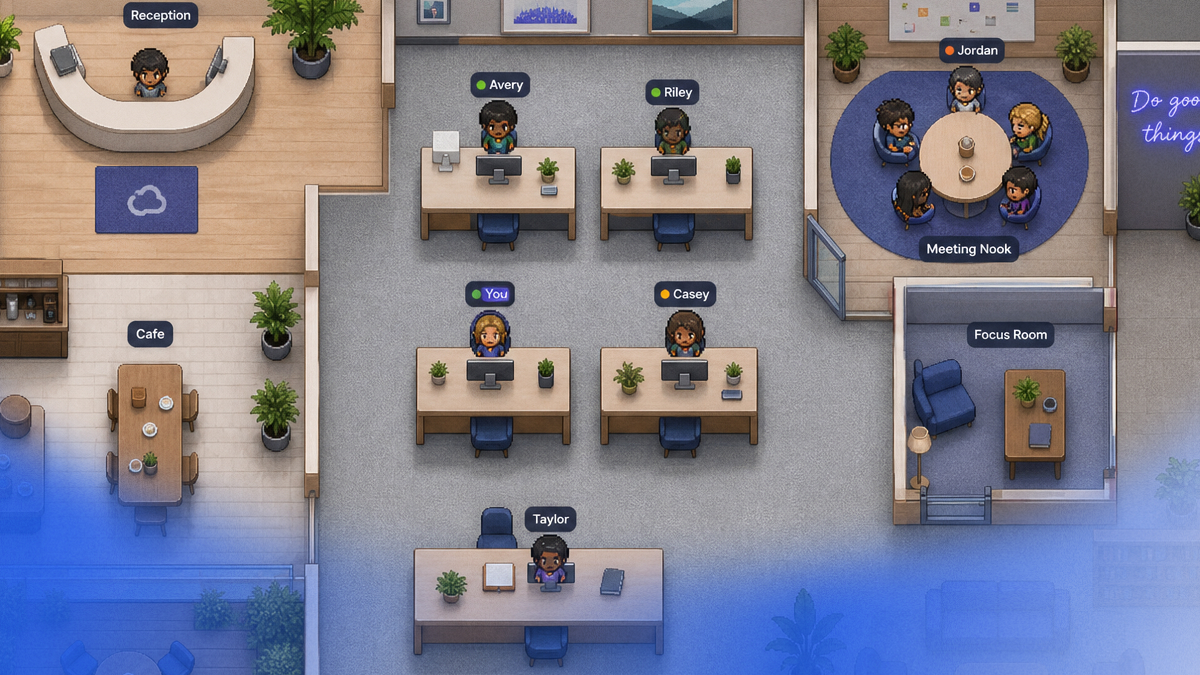
A critical component of successful Agile Project Management is the ability to communicate spontaneously. In remote environments, the lack of physical presence often leads to "meeting fatigue" caused by over-scheduling. To counter this, teams are integrating virtual office solutions like Hurbly.ai. This platform provides real-time visibility into coworker availability, showing who is focused, in a meeting, or available for a quick chat. By replicating the atmosphere of a physical office, it allows for the informal interactions that often spark creative problem-solving.
When integrated with Agile Project Management, real-time presence indicators reduce the friction typically associated with remote coordination. Instead of waiting for a scheduled sync, a developer can see that a product owner is available and resolve a query instantly. This immediacy supports the core Agile tenet of "individuals and interactions over processes and tools." Using Hurbly.ai helps distributed teams maintain a high velocity by eliminating the communication delays that often stall progress in complex projects.
Core Components of Agile Frameworks
To master Agile Project Management, teams must understand the specific structures that govern their daily operations. These components ensure that the workflow remains organized and that goals are met consistently.
- Sprints: These are time-boxed periods, usually lasting two to four weeks, where specific tasks must be completed.
- Backlog Refinement: A continuous process of reviewing and prioritizing the list of tasks to ensure the team works on the most valuable items first.
- Daily Stand-ups: Short, daily meetings where members discuss progress and obstacles, a practice central to Agile Project Management.
- Retrospectives: Meetings held at the end of a sprint to analyze what went well and what could be improved in the next cycle.
By following these structured steps, teams can maintain a high level of accountability. Agile Project Management encourages self-organization, meaning team members take ownership of their tasks rather than waiting for top-down instructions. This autonomy leads to higher engagement and better performance across the board.
Comparing Traditional and Agile Methodologies
The transition to Agile Project Management represents a significant departure from traditional "Waterfall" methods. The following table highlights the key differences in how projects are handled under these two distinct philosophies:
| Feature | Traditional Management | Agile Project Management |
|---|---|---|
| Planning | Fixed and upfront | Iterative and evolving |
| Flexibility | Low; changes are costly | High; changes are expected |
| Delivery | Single final release | Multiple incremental releases |
| Feedback | Occurs at the end | Continuous throughout the cycle |
| Team Role | Hierarchical | Collaborative and self-organizing |
As shown, Agile Project Management is designed for environments where requirements are likely to change. It allows for a more dynamic response to new information, ensuring that the team's efforts are never wasted on obsolete objectives. This adaptability is why the methodology has become the standard for software development and creative industries in 2026.
Maximizing Efficiency with Digital Office Tools
For Agile Project Management to function at its peak, the digital environment must support transparency. Tools that display real-time status updates, such as Hurbly.ai, are essential for maintaining the "social fabric" of a team. When everyone can see the team's pulse, it creates a sense of shared space. This visibility is vital for Scrum Masters and Project Managers who need to gauge team capacity without interrupting deep work phases.
Furthermore, Agile Project Management thrives on reducing "waste"—which includes unnecessary meetings and long email chains. By using a virtual office to see who is active, teams can engage in "just-in-time" communication. This aligns perfectly with the lean principles often associated with Agile Project Management, where the goal is to maximize value while minimizing administrative overhead.
Best Practices for Distributed Agile Teams
Successfully executing Agile Project Management in a distributed setting requires intentionality. Since team members are not in the same room, digital tools must bridge the gap.
- Establish Clear Communication Norms: Define which channels are for urgent issues and which are for asynchronous updates.
- Visualize the Workflow: Use digital boards to track the movement of tasks from "To Do" to "Done," a staple of Agile Project Management.
- Promote Availability: Encourage the use of presence platforms like Hurbly.ai so team members know when it is appropriate to reach out.
- Focus on Outcomes: Measure success based on the value delivered in each iteration rather than hours logged.
By following these practices, organizations can ensure that Agile Project Management remains effective regardless of where team members are located. The combination of a solid framework and the right presence-sensing technology allows for a seamless, productive, and highly collaborative work environment. Utilizing Agile Project Management effectively ensures that teams remain competitive and resilient in an ever-changing global market.