Effective Strategies for Using Attention Getters in Professional Communication
In this article

Effective Strategies for Using Attention Getters in Professional Communication
Effective communication in a digital workspace requires more than just sending messages; it involves capturing interest immediately. Using specific attention getters helps professionals break through the noise of constant notifications. These verbal or visual cues signal to colleagues that a specific piece of information requires their focus. In a remote setting, where physical body language is absent, well-placed attention getters serve as the digital equivalent of making eye contact before starting a conversation.
The primary function of these tools is to establish a foundation for engagement. When a team member uses attention getters correctly, they reduce the cognitive load on the recipient by clarifying the intent of the interaction right away. This clarity is essential for maintaining productivity, as it prevents misunderstandings regarding the urgency or nature of the request. By implementing structured attention getters, teams can ensure that critical updates are prioritized over routine administrative chatter.
How Attention Getters Improve Remote Team Collaboration
In distributed environments, the lack of proximity often leads to communication silos. Integrating attention getters into daily workflows helps bridge this gap by creating recognizable patterns of interaction. For instance, using specific phrases at the start of a meeting can align the group's focus instantly. These attention getters act as psychological triggers that prepare the brain for active listening, which is vital when team members are working from different time zones or home environments.
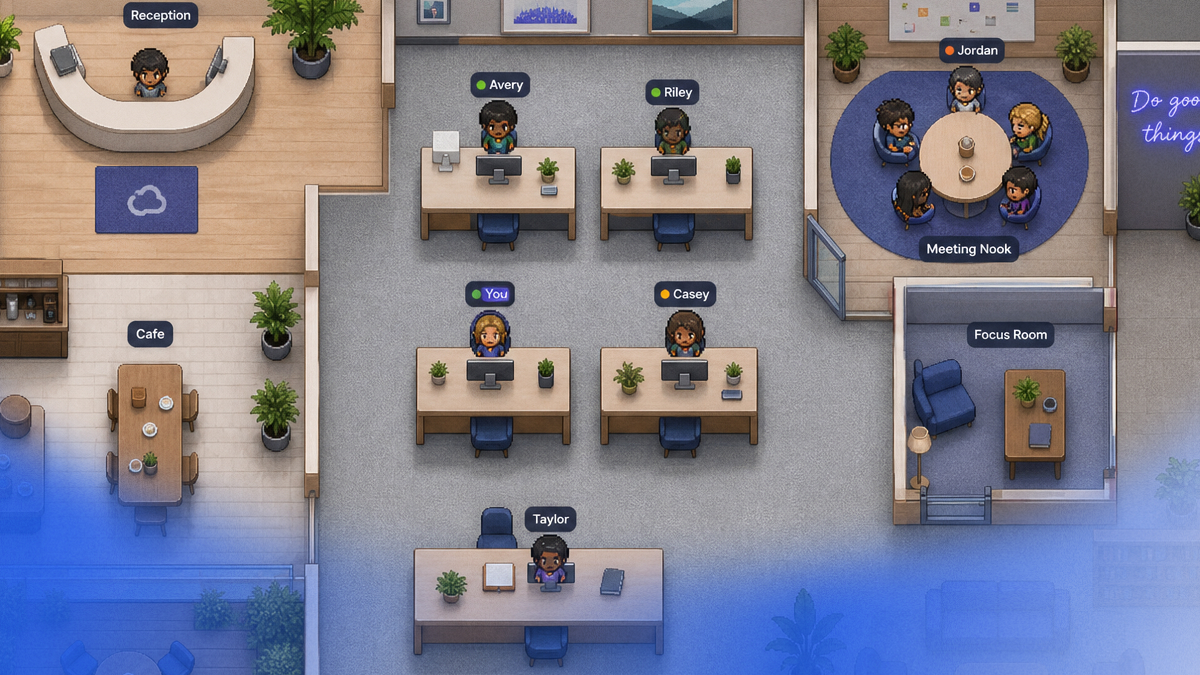
Platforms like Hurbly.ai enhance this process by providing real-time visibility into team presence. When you can see who is available or focused, your choice of attention getters becomes more strategic. Instead of interrupting someone in a deep-work state, you can wait for a status change and then apply appropriate attention getters to initiate a productive dialogue. This combination of presence awareness and targeted communication styles fosters a more respectful and efficient digital culture.
Types of Attention Getters for Digital Workspaces
Different situations require different levels of urgency. Understanding which attention getters to use depends on the desired outcome of the conversation. Below are common categories used in professional settings:
- Informational Cues: These are used to share updates without requiring immediate action.
- Action-Oriented Prompts: These attention getters signal that a response or task completion is needed.
- Social Hooks: Used to build rapport and maintain team morale during informal breaks.
- Urgency Indicators: Reserved for critical issues that need instant eyes on a problem.
Using a variety of attention getters prevents communication from becoming stale. If a leader always uses the same phrase, the team may eventually tune it out. Rotating through different attention getters ensures that the "signal" remains strong and the "noise" remains low. This variety keeps the team's internal communication dynamic and responsive to changing project needs.
Implementing Attention Getters in Virtual Meetings
Meetings often suffer from a lack of engagement, especially in long video sessions. Facilitators can use attention getters to regain control of the room or transition between topics. A well-timed question or a visual change can serve as powerful attention getters that pull distracted participants back into the discussion. This is particularly important in 2026, where digital fatigue is a recognized challenge for global workforces.
| Goal | Suggested Attention Getters | Expected Outcome |
|---|---|---|
| Start a session | "Let's dive into the core objective..." | Immediate focus on the agenda |
| Transition topics | "Moving from strategy to execution..." | Clear mental shift for participants |
| Encourage input | "I'd like to hear a contrarian view on..." | Active participation and critical thinking |
| Summarize points | "The one takeaway from this is..." | Retention of key information |
By standardizing these attention getters, organizations create a shared language. This consistency allows team members to navigate complex discussions with greater ease. When everyone understands the meaning behind certain attention getters, the friction of remote coordination is significantly reduced, leading to faster decision-making processes.
The Role of Real-Time Presence in Communication
The effectiveness of attention getters is often dictated by timing. Sending a high-energy prompt to a colleague who is currently finishing a high-concentration task can be counterproductive. Utilizing Hurbly.ai allows users to see exactly when to deploy their attention getters for maximum impact. By observing presence indicators, you can match your communication style to the recipient's current state, ensuring your message is received when they are most receptive.
Furthermore, digital presence platforms allow for spontaneous interactions that feel natural. When you see a colleague is "free for a chat," you can use informal attention getters to start a quick sync, mimicking the experience of walking over to someone's desk. This spontaneity, supported by the right attention getters, helps maintain the social fabric of a company, preventing the isolation that often accompanies remote work arrangements.
Best Practices for Maintaining Engagement
To keep attention getters effective, they must be used with intention. Overusing urgent prompts for non-urgent matters can lead to "notification fatigue," where team members begin to ignore even the most important attention getters. It is best to reserve the most striking attention getters for moments that truly impact the project's success or the team's well-being.
- Assess the Context: Check the recipient's status on Hurbly.ai before reaching out.
- Choose the Right Medium: Decide if the attention getters should be sent via text, voice, or video.
- Be Concise: Ensure the content following your attention getters is direct and valuable.
- Monitor Feedback: Observe which attention getters yield the best response rates from your specific team.
By following these steps, professionals can master the art of digital engagement. The goal is to create a communication environment where attention getters are respected and acted upon, leading to a more synchronized and high-performing team. As we move through 2026, the ability to manage digital attention will remain a top skill for successful remote collaboration.