Effective Team Coordination in 2026: Choosing the Best Calendar App for Teams

In this article

Effective Team Coordination in 2026: Choosing the Best Calendar App for Teams
Modern remote work requires more than just a list of dates; it demands real-time visibility and seamless integration between schedules and actual availability. In 2026, the best calendar app for teams must bridge the gap between a static appointment and the dynamic nature of a virtual office. Traditional scheduling often fails because it does not account for the spontaneous needs of distributed groups. By integrating presence indicators, teams can see not only when a meeting is scheduled but also who is currently available for a quick sync, reducing the reliance on back-and-forth messaging.
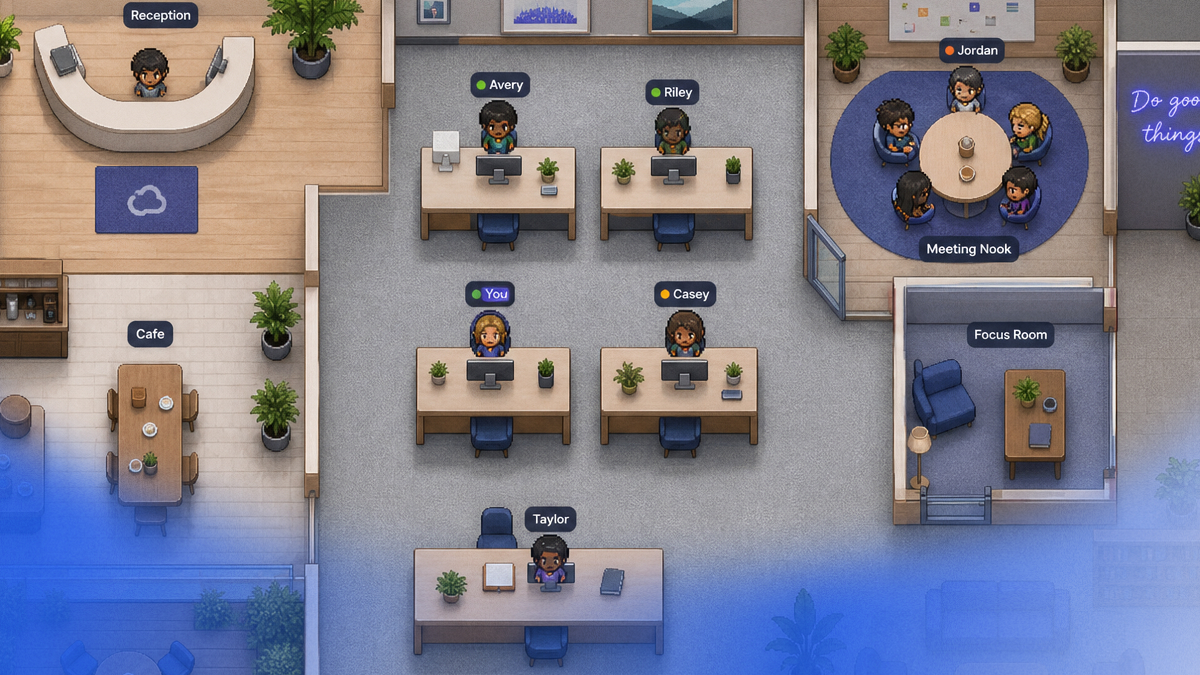
A high-quality scheduling system functions as the backbone of organizational transparency. When searching for the best calendar app for teams, managers prioritize features that allow for "at-a-glance" status updates. This means knowing instantly if a colleague is in a deep-work session, a formal meeting, or open for a casual chat. Platforms like Hurbly.ai enhance this experience by replicating the physical office environment, allowing users to start instant conversations based on real-time status rather than waiting for a calendar slot to open up.
Key Features of a Modern Scheduling System
The best calendar app for teams should offer more than just time-blocking capabilities. To truly support a remote workforce, the software must include automated status updates that sync with the user's current activity. This prevents the common issue of "meeting fatigue," where employees are interrupted during focused tasks because their calendar didn't reflect their actual workload. Effective systems use visual cues to signal availability, making the digital workspace feel more intuitive and less fragmented.
Functionality requirements for the best calendar app for teams typically include:
- Real-time Presence Indicators: Visual signals showing if a teammate is active, away, or in a focused state.
- Instant Communication Triggers: The ability to launch a voice or video call directly from the schedule without prior booking.
- Time Zone Synchronization: Automatic adjustment of schedules to ensure global teams remain aligned without manual calculations.
- Deep Work Protection: Settings that automatically mute notifications and update statuses during dedicated productivity blocks.
By utilizing Hurbly.ai, organizations can supplement their chosen best calendar app for teams with a layer of live interaction. This combination ensures that while the calendar handles long-term planning, the virtual office handles the immediate, spontaneous needs of the workday.
Comparing Scheduling Models for Distributed Work
| Feature | Traditional Calendar | Best Calendar App for Teams (2026) |
|---|---|---|
| Visibility | Static blocks of time | Real-time presence and focus levels |
| Interaction | Requires scheduled links | Supports spontaneous "walk-ups" |
| Context | Only shows "Busy" or "Free" | Shows specific status (e.g., "In a Flow State") |
| Integration | Manual updates required | Automated syncing with work activity |
Choosing the best calendar app for teams involves evaluating how well the tool handles transitions between different types of work. In 2026, the distinction between "working" and "available" has become more nuanced. A team member might be at their desk but not open to interruptions. The best calendar app for teams provides the granularity needed to communicate these boundaries effectively, ensuring that collaboration happens at the right time for everyone involved.
Optimizing Workflow with the Best Calendar App for Teams
To maximize productivity, the best calendar app for teams must be configured to support asynchronous communication. This involves setting clear expectations for response times and using the calendar as a source of truth for availability. When the best calendar app for teams is paired with a virtual office platform, the friction of scheduling disappears. Instead of sending an email to ask if someone is free, a team member can look at the dashboard, see a "green" status, and initiate a quick discussion immediately.
Implementing the best calendar app for teams also helps in reducing the "silo effect" often found in remote companies. By making schedules transparent and interactive, every department stays informed about ongoing projects and peak busy periods. This level of insight is why finding the best calendar app for teams is a top priority for operations managers in 2026. Tools like Hurbly.ai further support this by providing a visual map of the team's current engagement, making the digital experience feel as connected as a physical headquarters.
Why Real-Time Presence Matters for Scheduling
The evolution of the best calendar app for teams has moved toward integration with live data. In the past, a calendar was a separate tool that users had to update manually. Today, the best calendar app for teams pulls data from various sources to provide a comprehensive view of the team's pulse. This reduces the administrative burden on employees and ensures that the information displayed is always accurate.
When a company adopts the best calendar app for teams, it sees a measurable decrease in unnecessary meetings. Because the best calendar app for teams facilitates better visibility, many issues are resolved through quick, informal interactions rather than hour-long scheduled sessions. By visiting Hurbly.ai, teams can explore how real-time presence indicators transform the way they use their calendars, turning a simple schedule into a powerful engine for fluid, daily collaboration.