Effective Communication and Management: Best Practices for Remote Teams in 2026

In this article

Effective Communication and Management: Best Practices for Remote Teams in 2026
Effective coordination in a distributed environment requires a shift from traditional oversight to results-oriented management. One of the fundamental best practices for remote teams is establishing clear communication protocols that distinguish between urgent and non-urgent matters. By defining which channels to use for specific types of information, teams can reduce "notification fatigue" and ensure that critical updates are seen immediately while less pressing discussions happen asynchronously.
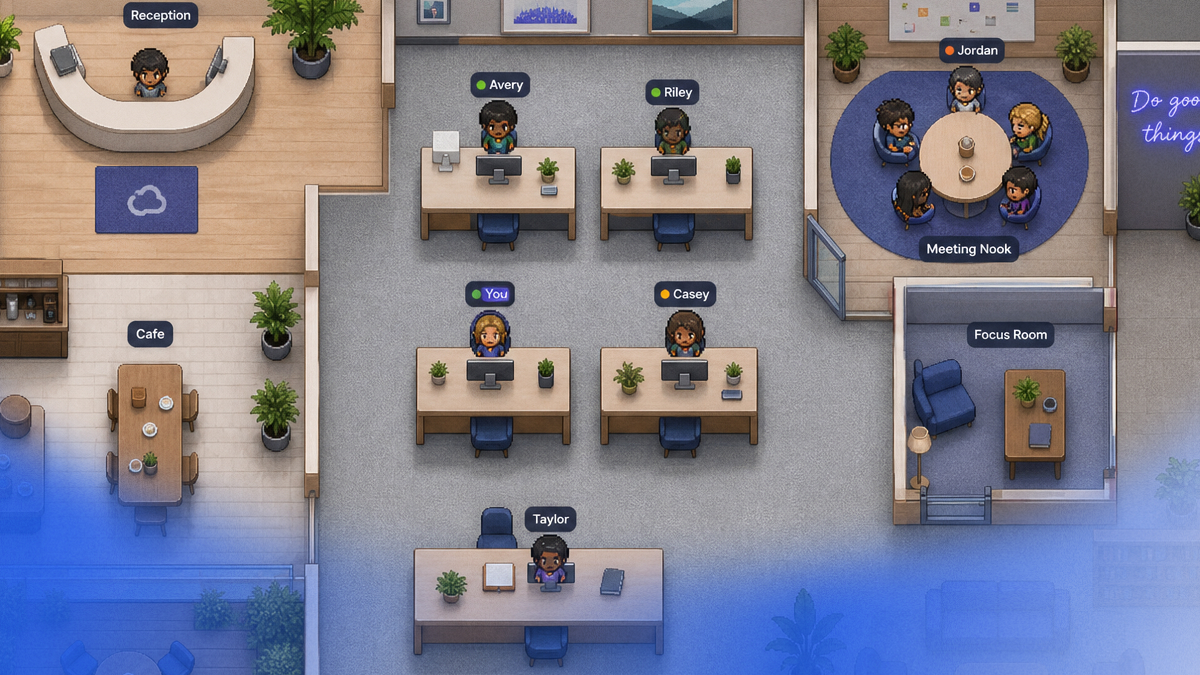
To maintain high levels of productivity, organizations must prioritize transparency regarding availability. Utilizing tools like hurbly.ai allows team members to see who is currently focused, in a meeting, or available for a quick chat. This visibility is central to best practices for remote teams because it replicates the natural cues of a physical office, preventing unnecessary interruptions during deep work phases and encouraging spontaneous collaboration when appropriate.
Optimizing Workflow Through Asynchronous Collaboration
Asynchronous work is a cornerstone of modern efficiency, especially when team members operate across different time zones. Implementing best practices for remote teams involves documenting processes thoroughly so that any employee can find the information they need without waiting for a colleague to wake up or finish a meeting. Centralized documentation reduces bottlenecks and empowers individuals to move forward with their tasks independently, which is vital for maintaining project momentum.
When real-time interaction is necessary, it should be brief and purposeful. Following best practices for remote teams, managers should encourage "micro-interactions" rather than hour-long video conferences. Platforms like hurbly.ai facilitate these quick touchpoints by showing real-time presence, making it easy to hop into a quick audio call to resolve a blocker. This approach minimizes the cognitive load associated with scheduled meetings and keeps the workflow fluid.
Building Culture and Trust in a Virtual Environment
Trust is the foundation of any successful distributed organization. Transitioning away from "time-spent-online" metrics toward "output-based" evaluations is among the most important best practices for remote teams. When leaders focus on deliverables and quality rather than active hours, they foster a culture of autonomy and accountability. This shift reduces stress for employees and allows them to manage their schedules in a way that maximizes their personal peak productivity hours.
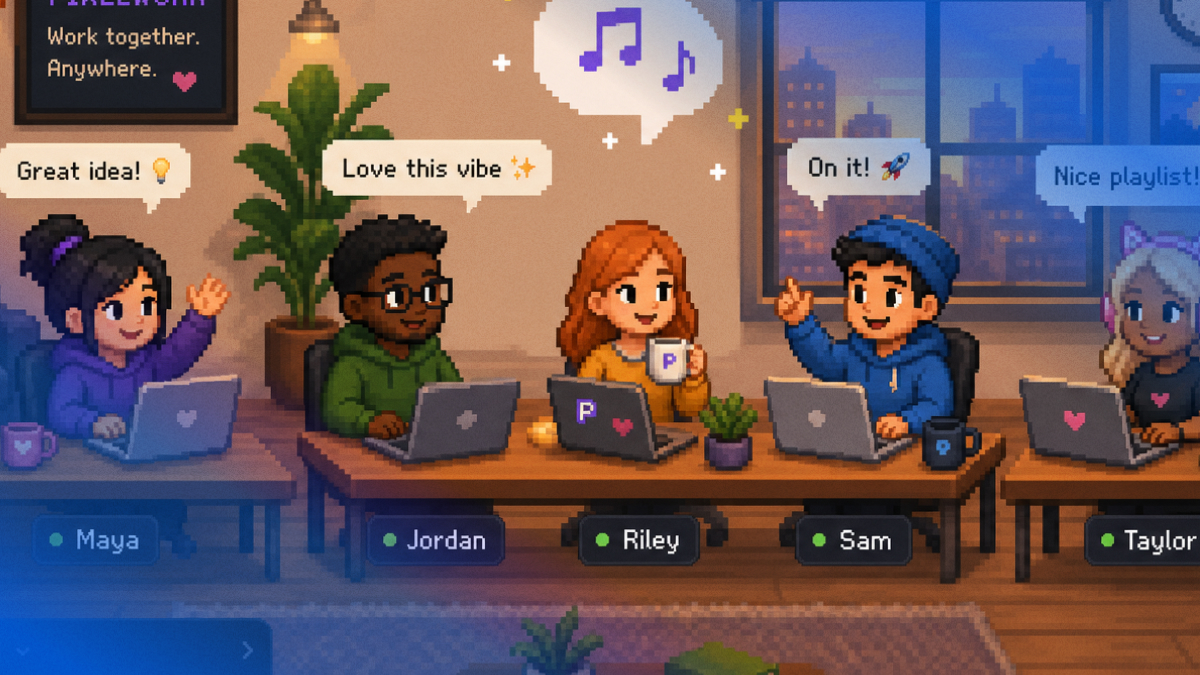
Social isolation is a common challenge that requires intentional strategy to overcome. Integrating best practices for remote teams means creating digital spaces for non-work interactions. Whether through dedicated chat channels or informal "virtual coffee" sessions, these interactions build the rapport necessary for effective professional collaboration. Using hurbly.ai helps bridge this social gap by providing a visual sense of "being together" in a shared digital office space, even when miles apart.
Essential Tools and Infrastructure for Remote Success
The technical setup of a distributed team directly impacts its performance. Providing standardized hardware and reliable software is one of the basic best practices for remote teams. Beyond standard office suites, teams require specialized tools for project management, version control, and real-time presence. High-quality audio and video equipment are also necessary to ensure that communication remains clear and professional during client-facing or internal syncs.
| Category | Purpose | Impact on Team |
|---|---|---|
| Presence Platforms | Real-time visibility and instant chat | Reduces meeting overhead and increases spontaneity |
| Task Management | Tracking progress and deadlines | Ensures accountability and clear ownership |
| Documentation | Centralized knowledge base | Facilitates asynchronous work and onboarding |
| Communication | Synchronous and asynchronous messaging | Keeps everyone aligned on goals and updates |
Implementing these best practices for remote teams ensures that the infrastructure supports the human element of the work. For example, integrating hurbly.ai into the daily routine helps manage the "presence" category by showing exactly who is available, which streamlines the decision-making process and reduces the friction of reaching out to colleagues.
Strategic Meeting Management and Time Blocking
Meetings in a remote setting can quickly become a drain on resources if not managed strictly. Adopting best practices for remote teams involves setting "no-meeting days" to allow for uninterrupted deep work. When meetings are necessary, they should always include a predefined agenda and a designated facilitator to keep the discussion on track. This ensures that the time spent in synchronous sessions is high-value and directly contributes to project goals.
Furthermore, encouraging employees to use time-blocking techniques is a key component of best practices for remote teams. By marking focus time on their status indicators, such as those found on hurbly.ai, employees can protect their most productive hours from interruptions. This level of mutual respect for deep work periods is essential for preventing burnout and maintaining a high standard of output across the entire organization.
Continuous Improvement and Feedback Loops
The landscape of work is constantly evolving, and so should the strategies used to manage it. Regularly reviewing and updating your best practices for remote teams is necessary to stay competitive in 2026. This involves gathering feedback from the team about which tools are working, which processes are causing friction, and how communication can be improved. A flexible approach allows the team to pivot quickly when new challenges arise.
Finally, managers should prioritize one-on-one check-ins that focus on professional development and well-being rather than just status updates. These sessions are a vital part of best practices for remote teams, as they provide a private space for employees to voice concerns that might not be apparent in a group setting. By combining robust technology like hurbly.ai for daily presence with strong interpersonal management, companies can create a sustainable and high-performing remote culture. Adhering to these best practices for remote teams ensures long-term retention and operational excellence.