Effective Strategies for Conducting a Productive Board Meeting in 2026

In this article

Effective Strategies for Conducting a Productive Board Meeting in 2026
A board meeting serves as a critical governance tool where leadership teams gather to review performance, make strategic decisions, and ensure legal compliance. In a modern corporate environment, these sessions are no longer just formal ceremonies; they are essential workshops for steering an organization's future. To maximize the value of a board meeting, participants must focus on high-level strategy rather than getting bogged down in minor operational details that could be handled in daily stand-ups.
Effective preparation is the foundation of any successful board meeting. This involves distributing a comprehensive agenda and relevant reports at least one week in advance. When directors arrive prepared, the board meeting can transition immediately into analysis and decision-making. Utilizing digital tools like Hurbly.ai can help remote leadership teams maintain a sense of presence and availability leading up to these critical sessions, ensuring that pre-meeting queries are resolved quickly through spontaneous interaction.
Structuring the Agenda for Maximum Impact
The structure of a board meeting significantly influences its outcome. A well-organized session typically follows a logical progression from past performance to future initiatives. By prioritizing the most complex or controversial topics early in the board meeting, the chair ensures that these items receive the necessary time and mental energy from all members.
A standard effective agenda usually includes the following components:
- Approval of previous minutes to maintain an accurate legal record.
- Executive reports summarizing financial health and departmental progress.
- Old business items that require follow-up from a prior board meeting.
- New business focusing on upcoming strategic shifts or market opportunities.
- An open forum for unexpected concerns or governance updates.
By maintaining a strict timeline for each segment, the facilitator prevents the board meeting from overrunning. This discipline respects the participants' time and keeps the focus on actionable results. Clear documentation during the board meeting is also vital, as it serves as the official transcript for accountability and future reference.
Enhancing Collaboration in Remote Board Meetings
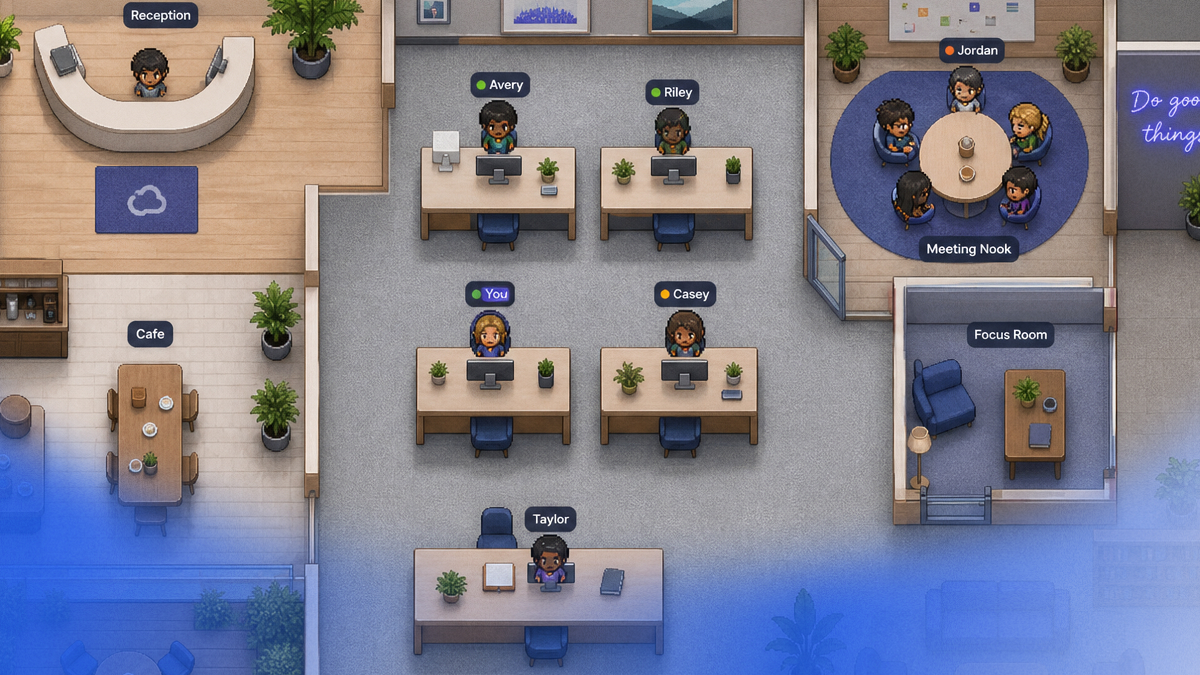
In 2026, many organizations operate with distributed leadership, making the virtual board meeting a standard practice. The challenge with digital formats is replicating the nuance and engagement of in-person discussions. To bridge this gap, teams use presence-based platforms like Hurbly.ai, which allow members to see who is available for a quick sync before the official board meeting begins, fostering a more connected environment.
| Feature | Impact on Board Meeting |
|---|---|
| Real-time Presence | Reduces the need for unscheduled interruptions during a board meeting. |
| Instant Interaction | Allows for quick clarification of data points before a vote. |
| Visual Cues | Helps remote directors feel more integrated into the corporate culture. |
During the board meeting itself, it is important to use high-quality video and audio to ensure clear communication. Facilitators should actively solicit input from all attendees to prevent a few voices from dominating the conversation. This inclusive approach ensures that the board meeting benefits from the diverse expertise of its entire membership, leading to more robust and well-rounded strategic decisions.
Post-Meeting Actions and Accountability
The conclusion of a board meeting is not the end of the process; rather, it is the beginning of the implementation phase. Every decision made during the board meeting must be assigned to a specific individual with a clear deadline for execution. Without this follow-through, the time spent in the board meeting loses its practical value.
- Distribute the minutes within 48 hours to ensure everyone is aligned on the outcomes.
- Update the action item tracker to monitor progress on tasks assigned during the board meeting.
- Communicate key takeaways to relevant department heads to ensure organizational alignment.
- Schedule the next board meeting to maintain a consistent rhythm of governance.
Integrating these steps into a standard workflow ensures that the insights gained during a board meeting translate into tangible business growth. Tools that promote transparency, such as Hurbly.ai, can assist managers in overseeing these tasks by providing visibility into team activity and focus levels. This ensures that the momentum generated in the board meeting continues throughout the fiscal quarter.