Enhancing Business Efficiency Through Real-Time Virtual Presence
In this article

Enhancing Business Efficiency Through Real-Time Virtual Presence
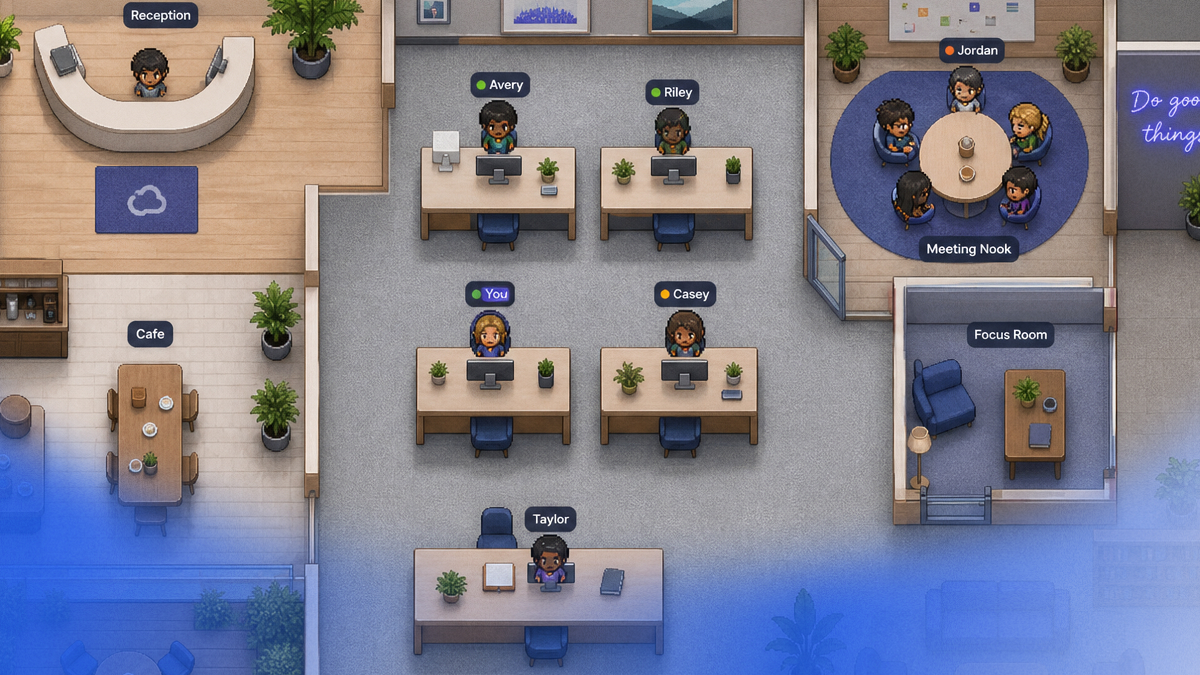
Virtual office environments are transforming how remote teams interact by providing a digital space that mirrors physical office dynamics. Achieving high levels of business efficiency requires more than just messaging apps; it demands a clear understanding of team availability. Hurbly.ai addresses this by offering real-time technology that displays whether a colleague is focused, available for a quick chat, or currently in a meeting. This visibility eliminates the guesswork often associated with remote work, allowing for smoother workflows and faster decision-making processes.
The core functionality of a virtual office centers on presence indicators. Instead of sending a message and waiting indefinitely for a reply, users can see the live status of their peers. This immediate insight into human capital availability is a cornerstone of business efficiency, as it prevents the disruption of deep-work sessions while highlighting the best moments for spontaneous collaboration. By reducing the reliance on formal meeting invites for minor questions, teams can maintain a steady operational tempo.
How Real-Time Visibility Impacts Business Efficiency
Implementing a system that tracks team presence directly influences business efficiency by reducing "communication friction." In traditional remote setups, the lack of visual cues often leads to over-scheduling. When managers and employees can see who is at their desk or occupied with a task, they can engage in "drive-by" digital conversations. These brief, informal interactions often resolve issues faster than a thirty-minute scheduled video call, directly contributing to overall business efficiency.
The technical framework of Hurbly.ai supports these interactions through several key features:
- Live Status Indicators: Real-time updates showing if a team member is active, away, or in a "do not disturb" mode.
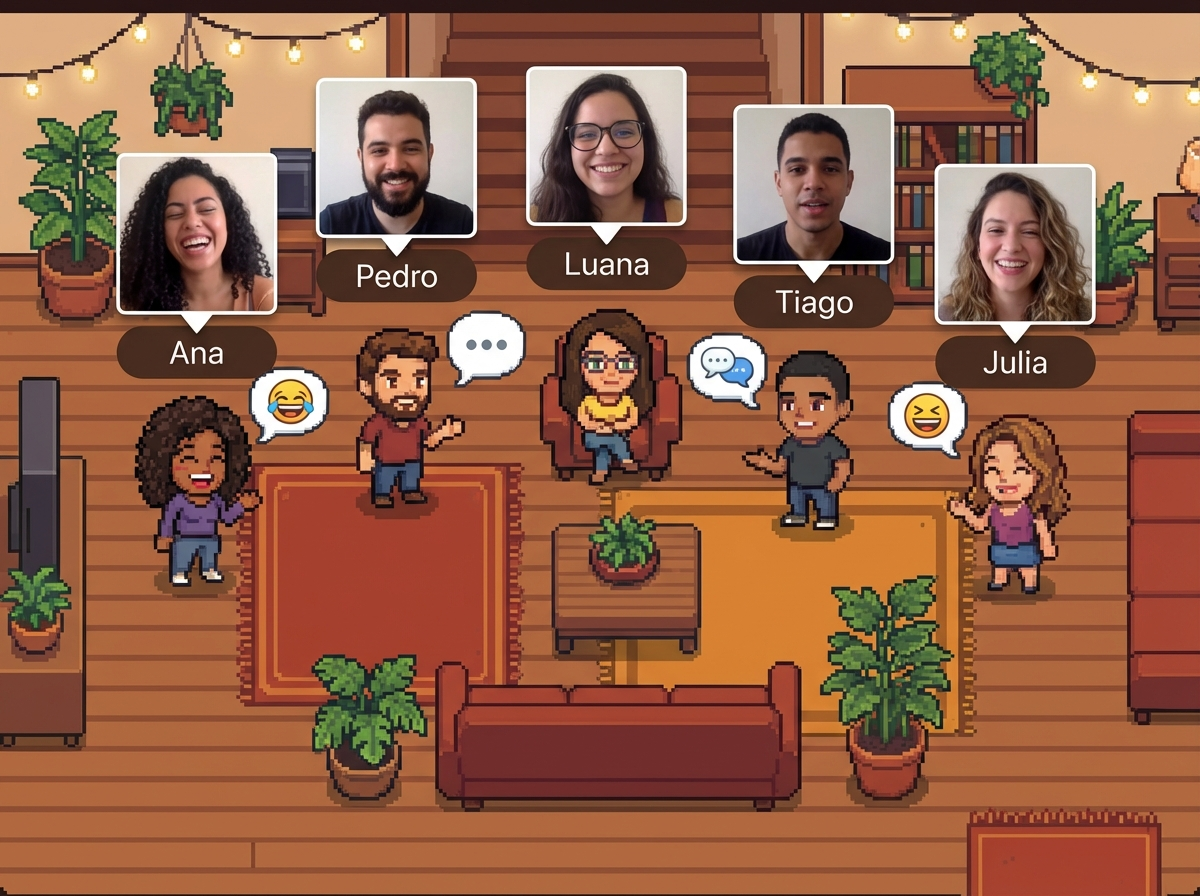
- Instant Audio/Video Connections: The ability to start a conversation with a single click, mimicking walking up to a colleague's desk.
- Focus Mode Transparency: Notifying the team when someone is engaged in deep work to protect their concentration and improve business efficiency.
- Spatial Awareness: A visual layout that helps remote workers feel connected to a shared environment, reducing the sense of isolation.
Strategies for Integrating Virtual Offices into Workflows
To maximize business efficiency in 2026, organizations must move beyond fragmented communication tools. A centralized virtual office serves as the primary hub for daily operations. When a team adopts Hurbly.ai, they establish a digital culture where transparency is the norm. This transparency ensures that resources are allocated effectively and that no team member becomes a bottleneck due to poor communication visibility.
| Feature | Impact on Business Efficiency | Benefit for Remote Teams |
|---|---|---|
| Real-time Presence | High | Reduces wait times for information. |
| Spontaneous Chat | Medium | Eliminates unnecessary calendar invites. |
| Focused Status | High | Protects time for complex problem-solving. |
| Visual Directory | Medium | Simplifies navigation of large, distributed teams. |
Maintaining business efficiency also involves managing the cognitive load of the workforce. By using a platform that clearly distinguishes between "available" and "busy," employees can manage their energy better. They no longer feel the pressure to be "always on" or to respond instantly to every notification if their status is set to a focused state, which paradoxically increases long-term business efficiency.
The Role of Spontaneous Collaboration in Modern Teams
Spontaneous interaction is often the first thing lost when a company moves to a remote or hybrid model. However, these unplanned moments are vital for business efficiency because they foster innovation and rapid problem-solving. Hurbly.ai recreates these opportunities by making it easy to see who is free for a quick brainstorm. This fluidity ensures that ideas move through the organization without being stalled by rigid scheduling.
For freelancers and distributed organizations, the ability to see coworkers' current status creates a sense of belonging and shared purpose. This psychological safety and connection are indirect but powerful drivers of business efficiency. When people feel connected to their colleagues, they are more likely to reach out for help or offer assistance, preventing small errors from escalating into significant project delays.
Optimizing Team Coordination and Transparency
Transparency is a prerequisite for high-level business efficiency. When every team member understands the current workload and availability of their peers, they can coordinate tasks more effectively. Hurbly.ai provides this layer of data-driven visibility, allowing leaders to identify potential burnout or underutilized capacity in real-time. This proactive management style is essential for maintaining consistent business efficiency across different time zones.
To successfully implement a virtual office for better business efficiency, teams should follow these steps:
- Define clear status protocols so everyone knows what "Focus Mode" or "Available" specifically means for their role.
- Encourage the use of instant conversations for topics that would take more than three minutes to type out.
- Integrate the virtual office into the daily start-up routine to ensure everyone is visible from the beginning of the workday.
- Use the presence data to adjust meeting frequencies, aiming to replace formal syncs with informal check-ins.
By focusing on these practical applications, companies can ensure that their digital environment actively supports their goals for business efficiency. As we navigate the professional landscape of 2026, tools like Hurbly.ai are no longer optional luxuries but essential components of a high-performing, distributed workforce. Sustained business efficiency depends on the ability to bridge the physical gap between remote workers through intelligent, real-time presence technology.