Strategic Business Plan for Remote Team Collaboration and Virtual Presence

In this article

Strategic Business Plan for Remote Team Collaboration and Virtual Presence
In 2026, the shift toward distributed work requires a structured approach to maintain productivity and team cohesion. For organizations operating outside of traditional office spaces, it is essential to develop a comprehensive business plan. This document serves as a roadmap for managing human resources, technology, and communication protocols. A clear strategy helps prevent the isolation often associated with remote work by establishing how team members interact and remain visible to one another throughout the workday.
A well-structured business plan serves as a foundational guide for setting clear expectations regarding availability and performance. It defines the digital infrastructure needed to support a global workforce. Specific details regarding communication frequency and the use of real-time presence tools should be included in the business plan to ensure that every department remains aligned with the company’s core objectives. By documenting these processes, companies can reduce the friction of coordination and improve overall operational efficiency.
Financial and Operational Framework for Distributed Teams
When drafting the business plan, companies must evaluate the cost-benefit ratio of remote operations compared to maintaining physical real estate. Savings from reduced office rent and utility expenses can be redirected into advanced collaboration technology and employee development programs. This financial reallocation is a critical component of a modern business plan. It allows for the procurement of software that facilitates spontaneous interaction, which is often lost when moving away from a physical headquarters.
Operational success in a remote environment depends on how well the team's workflow is documented within the business plan. This includes defining "core hours" where team members are expected to be present and available for immediate consultation. By integrating tools like Hurbly.ai, managers can visualize team activity without the need for intrusive monitoring or constant status updates. This level of transparency aligns with the overall business plan by fostering a culture of trust and autonomy while maintaining high levels of accountability.
Technology and Real-Time Presence Integration
The selection of a technology stack is a vital decision that must be defined in the initial business plan. Rather than relying solely on scheduled video conferences, which can lead to meeting fatigue, companies are now prioritizing "presence-based" communication. This approach uses real-time indicators to show who is currently focused, who is in a meeting, and who is available for a quick chat. This strategy minimizes the need for back-and-forth messaging to check availability, making it a key efficiency driver in any remote-first business plan.
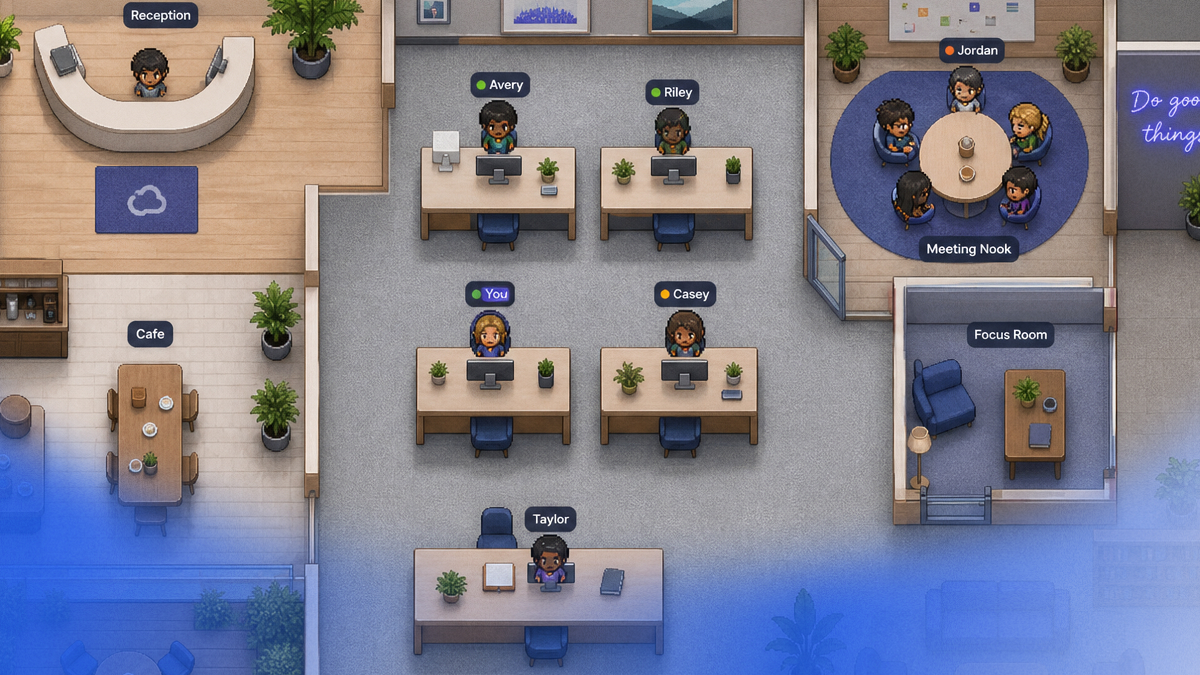
Hurbly.ai functions as a virtual office layer that provides this essential visibility. It allows team members to see their colleagues' status at a glance, replicating the "open door" policy of a physical office. Incorporating such a platform into the business plan ensures that the team has the necessary tools to facilitate organic conversations. This reduces the psychological distance between remote employees and helps maintain a sense of belonging, which is crucial for long-term retention and employee satisfaction in 2026.
Comparative Analysis of Work Environments
To understand why a specific strategy is chosen, it is helpful to compare the traditional office model with the virtual office model supported by modern technology. The following table illustrates the differences that should be considered when making adjustments to the business plan as the team grows.
| Feature | Traditional Physical Office | Virtual Office (Hurbly.ai) |
|---|---|---|
| Visibility | Physical presence in a cubicle or room. | Real-time digital presence indicators. |
| Spontaneity | Walking to a colleague's desk. | Instant conversation without scheduling. |
| Cost Structure | High fixed costs (rent, utilities). | Scalable software subscriptions. |
| Flexibility | Limited to a specific geographic area. | Global talent access across time zones. |
| Communication | Face-to-face or internal phones. | Integrated digital presence and chat. |
This comparison highlights why a virtual presence strategy is a vital component of a business plan for 2026. It demonstrates that the benefits of a physical office—such as quick coordination and social connection—can be effectively replicated in a digital environment. By addressing these factors, the business plan provides a clear rationale for investing in virtual office technology.
Steps for Implementing the Strategy
Implementing the objectives outlined in your business plan requires a systematic approach. Organizations should follow a structured process to transition from traditional communication methods to a more fluid, presence-based model. This transition ensures that the workforce remains engaged and that the company’s culture remains intact despite the lack of physical proximity.
- Audit Current Communication Tools: Identify bottlenecks caused by excessive scheduled meetings and delayed message responses.
- Define Presence Protocols: Establish what different status indicators mean (e.g., "Focused" means do not disturb) within the business plan.
- Deploy Virtual Office Software: Integrate Hurbly.ai to provide a visual representation of the team's availability.
- Train the Workforce: Ensure all employees understand how to use presence indicators to facilitate spontaneous collaboration.
- Monitor and Iterate: Regularly review the success of the business plan depends on gathering feedback from the team and adjusting the digital workspace as needed.
Long-Term Benefits of Virtual Presence
The ultimate success of a remote-first organization is tied to its ability to maintain a cohesive culture. By revisiting the business plan annually, leadership can ensure that the digital environment continues to meet the evolving needs of the staff. Real-time visibility tools help bridge the gap between different time zones, allowing for a more synchronized workflow. This synchronization is a primary goal when finalizing the business plan for remote operations in 2026.
Furthermore, a focus on presence rather than just "output" leads to a healthier work-life balance. When the business plan emphasizes clear boundaries through status indicators, employees feel more comfortable disconnecting at the end of their shift. This transparency prevents burnout and ensures that the organization remains competitive by keeping its most valuable asset—its people—engaged and productive. Using Hurbly.ai as a central hub for these interactions creates a sustainable and scalable model for any modern enterprise.