Understanding the Difference: Busy vs Productive in Remote Work Environments
In this article

Understanding the Difference: Busy vs Productive in Remote Work Environments
In the modern workspace of 2026, distinguishing between being busy vs productive is essential for maintaining team health and achieving actual results. Being busy often involves a high volume of tasks, constant notifications, and a packed calendar, yet these activities do not always translate into meaningful progress. In contrast, being productive means focusing on high-impact goals and managing time effectively to produce quality outcomes. Understanding the nuances of busy vs productive allows teams to move away from performative work and toward genuine efficiency.
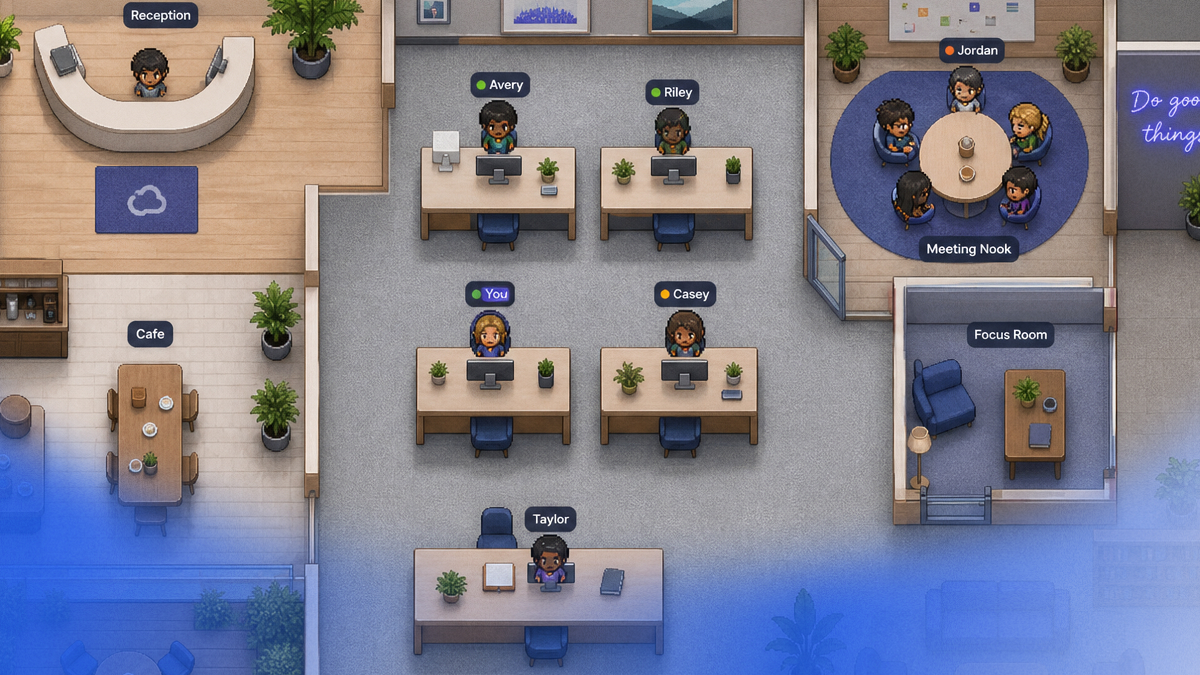
The distinction between busy vs productive is particularly visible in how individuals manage their daily schedules. A busy person might spend the entire day responding to minor emails or attending back-to-back meetings without clear agendas. A productive person, however, prioritizes deep work and ensures that every action aligns with long-term objectives. To help teams navigate these dynamics, Hurbly.ai provides a virtual office environment where real-time presence indicators help members see who is truly available for collaboration and who is in a deep focus state.
Key Indicators of Busy vs Productive Behaviors
Identifying whether a team member is busy vs productive requires looking at the nature of their output rather than just their activity level. High activity does not always equate to high value. When teams fail to recognize the difference between busy vs productive, they risk burnout and stagnation. By analyzing work patterns, organizations can implement better strategies to foster a culture of true productivity.
| Feature | Busy Behavior | Productive Behavior |
|---|---|---|
| Task Management | Multitasking and jumping between small tasks. | Focusing on one high-priority task at a time. |
| Communication | Constant messaging and unscheduled interruptions. | Using structured communication and respecting focus time. |
| Goal Alignment | Working without a clear understanding of "why." | Every task contributes to a specific, measurable goal. |
| Energy Levels | High stress and feeling overwhelmed by the "to-do" list. | Controlled energy and a sense of accomplishment. |
The transition from being busy vs productive often starts with better visibility. Tools like Hurbly.ai allow distributed teams to see coworkers' current status instantly. This transparency reduces the need for "check-in" messages that contribute to the busy vs productive cycle, allowing people to work without unnecessary interruptions.
Strategies to Shift from Busy to Productive
To move the needle from busy vs productive, professionals must adopt specific habits that protect their time and mental energy. It is not about doing more work, but about doing the right work at the right time. When individuals understand the busy vs productive framework, they can better manage their daily workflows.
- Prioritize High-Impact Tasks: Use methods like the Eisenhower Matrix to separate urgent tasks from important ones. This helps in choosing a busy vs productive path by focusing on what actually moves a project forward.
- Set Boundaries for Deep Work: Dedicate specific blocks of time to complex problem-solving. During these periods, turn off non-essential notifications to avoid the trap of being busy vs productive.
- Optimize Communication Channels: Instead of scheduling a 30-minute meeting for a 2-minute question, use platforms that facilitate spontaneous, short interactions.
- Review and Reflect: At the end of each day, assess whether the completed tasks were merely time-fillers or actual progress. Constant reflection is key to mastering the busy vs productive balance.
Using Hurbly.ai supports these strategies by replicating the feel of a physical office. When you can see that a colleague is "focused," you are less likely to interrupt them, helping the entire team stay on the productive side of the busy vs productive spectrum.
Why Real-Time Presence Matters for Productivity
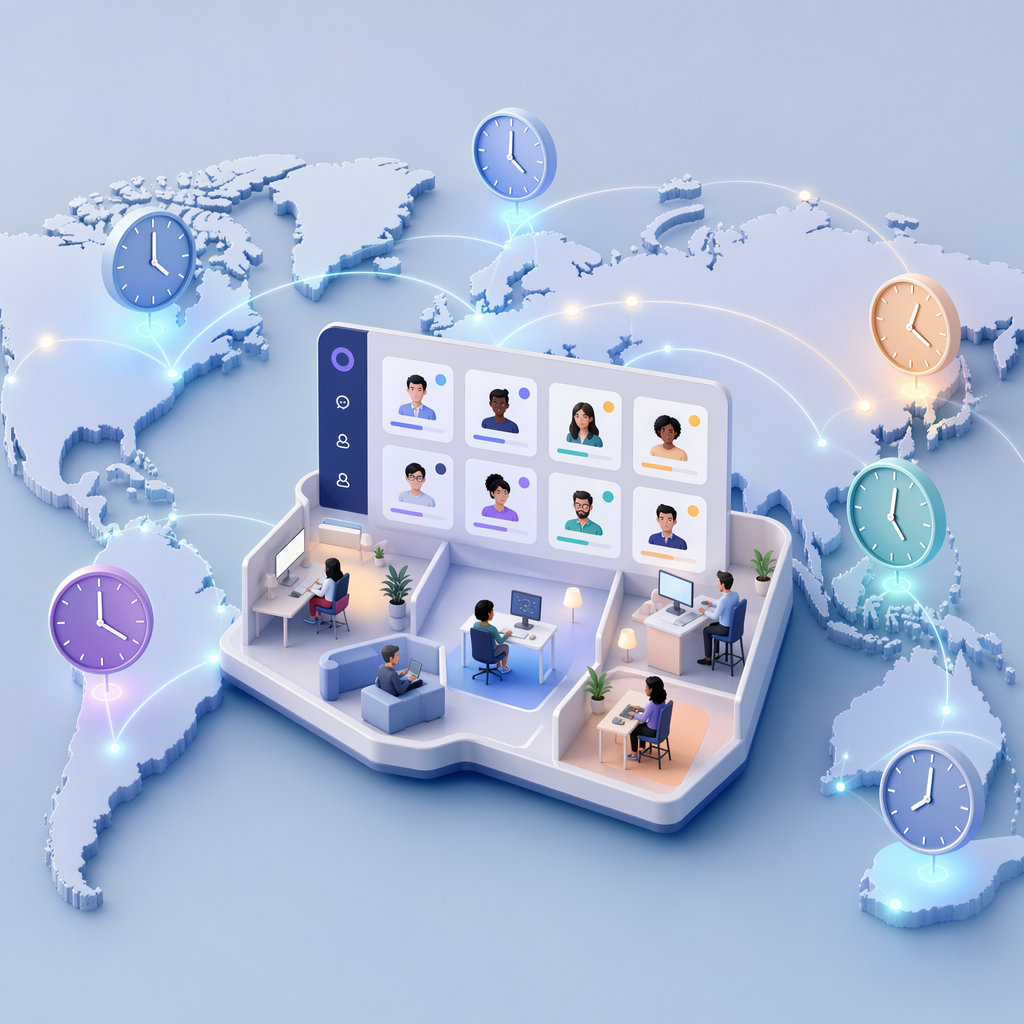
A major hurdle in the busy vs productive debate is the friction caused by coordination. In remote settings, the lack of visual cues often leads to "over-communication," where employees feel they must stay active on chat apps just to prove they are working. This performative busyness is a core component of the busy vs productive struggle. Real-time presence technology solves this by providing passive status updates.
Hurbly.ai enables teams to see who is available, in a meeting, or focused without needing to send a single message. This visibility eliminates the guesswork that often makes people feel "busy" with coordination rather than "productive" with their actual work. By seeing a digital representation of the office, team members can initiate instant conversations only when appropriate, streamlining the workflow and reinforcing a busy vs productive mindset that values time and focus.
Ultimately, the goal for any organization in 2026 is to minimize the "noise" of work. By focusing on the metrics that define busy vs productive outcomes, teams can build a more sustainable and successful work culture. Platforms like Hurbly.ai are essential in this journey, providing the transparency needed to ensure that every team member can transition from being simply busy vs productive and impactful.