Managing Cell Phone Use in the Workplace for Remote Teams

In this article

Managing Cell Phone Use in the Workplace for Remote Teams
Effective management of cell phone use in the workplace is a significant challenge for modern businesses operating in 2026. As digital environments become the primary hub for professional activity, the line between personal device interaction and professional focus often blurs. Establishing clear guidelines for cell phone use in the workplace ensures that employees remain productive while maintaining the flexibility required for a healthy work-life balance. Clear policies help teams understand when mobile interaction supports their goals and when it becomes a distraction that hinders collective output.
To maintain high levels of performance, organizations must define what constitutes acceptable cell phone use in the workplace. This involves categorizing tasks that benefit from mobile accessibility—such as two-factor authentication or quick coordination—versus activities that disrupt deep work. When cell phone use in the workplace is left unmanaged, it can lead to fragmented attention spans and a decrease in the quality of deliverables. Companies that prioritize transparency often find that setting these expectations early leads to a more disciplined and focused professional atmosphere.
Impact of Mobile Distractions on Team Productivity
Unregulated cell phone use in the workplace can significantly impact the synchronicity of distributed teams. When team members are frequently distracted by non-work notifications, the "flow state" required for complex problem-solving is interrupted. Studies in 2026 show that even brief instances of personal cell phone use in the workplace can require several minutes for an employee to regain full cognitive focus on their primary task. This cumulative loss of time affects not only the individual but the entire project timeline.
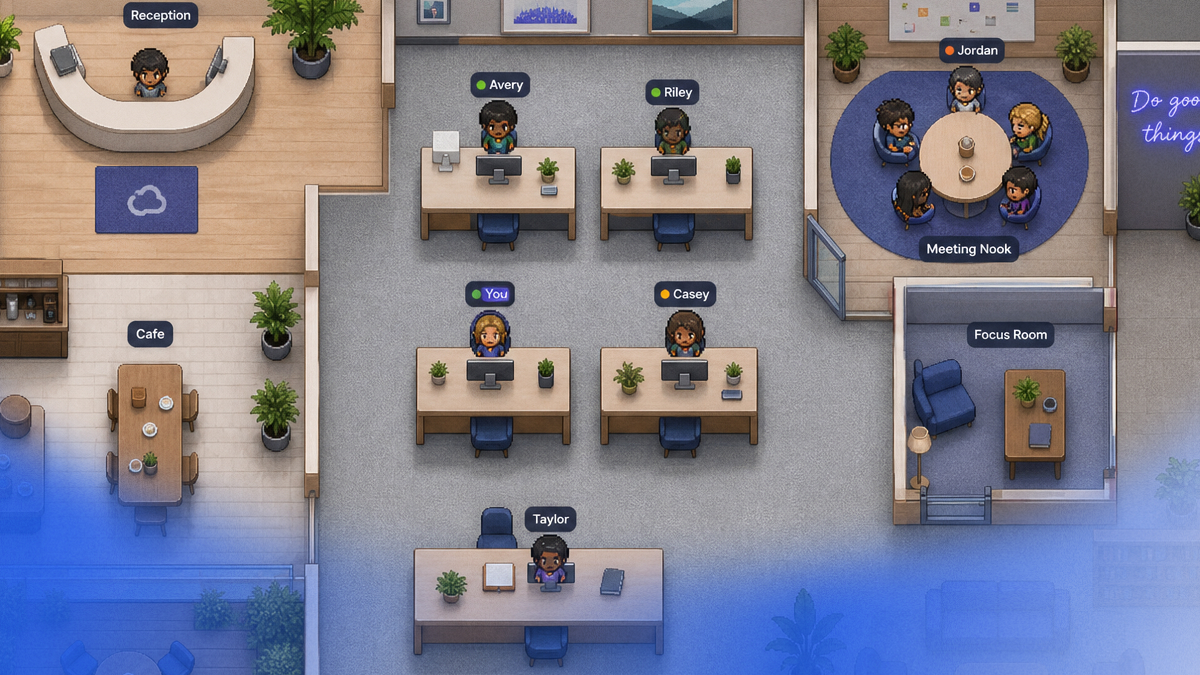
Furthermore, excessive cell phone use in the workplace can create communication gaps. If a team member is occupied with a mobile device, they may miss real-time updates or spontaneous collaborative opportunities occurring in their virtual office. Tools like Hurbly.ai help mitigate this by providing real-time presence indicators, allowing colleagues to see who is actually available and who is currently focused, which naturally discourages unnecessary interruptions and helps regulate the flow of communication without relying on constant mobile checking.
Best Practices for Mobile Device Policies
Implementing a successful strategy for cell phone use in the workplace requires a balance between trust and accountability. Rather than enforcing strict bans, which can lower morale, managers should encourage "focus blocks" where cell phone use in the workplace is minimized. This approach allows employees to dedicate specific hours to deep work while knowing they have designated times to check personal messages. A well-structured policy should be documented and accessible to all team members to ensure consistency across the department.
| Strategy Component | Description | Objective |
|---|---|---|
| Focus Intervals | Designated times for zero mobile interaction. | Increase deep work capacity. |
| Notification Triage | Encouraging the silencing of non-essential apps. | Reduce cognitive load. |
| Emergency Protocols | Defining how urgent personal matters are handled. | Provide security without distraction. |
| Presence Awareness | Using platforms like Hurbly.ai to signal status. | Improve team transparency. |
By integrating these practices, businesses can foster an environment where cell phone use in the workplace is intentional rather than habitual. This shift in culture encourages employees to take ownership of their productivity. When the team understands the "why" behind the guidelines, they are more likely to adhere to them and support their peers in maintaining a focused digital workspace.
Enhancing Collaboration Through Presence Technology
One of the most effective ways to reduce unnecessary cell phone use in the workplace is to provide a central, engaging digital environment that replicates the connectivity of a physical office. When employees feel connected to their peers through a virtual presence platform, the urge to seek social stimulation via personal mobile devices decreases. Hurbly.ai facilitates this by showing real-time availability, which helps team members feel "present" together without the need for constant messaging or distracting cell phone use in the workplace.
- Visual Availability: Seeing a colleague's status (focused, in a meeting, or available) reduces the need to send "Are you there?" texts.
- Spontaneous Interaction: Quick voice or video chats within a professional platform replace the fragmented nature of mobile messaging.
- Reduced App Fatigue: Consolidating communication into a single professional interface minimizes the temptation of switching to personal devices.
- Accountability: A shared view of team activity naturally encourages professional behavior and discourages excessive cell phone use in the workplace.
Future Trends in Workplace Communication for 2026
As we move through 2026, the evolution of remote work continues to demand smarter solutions for managing cell phone use in the workplace. The trend is moving away from surveillance and toward autonomy supported by high-visibility tools. Organizations are increasingly adopting platforms that emphasize "presence" over "pings." By reducing the noise generated by multiple notification sources, companies can ensure that cell phone use in the workplace remains a secondary tool rather than a primary distraction.
The integration of presence-based software like Hurbly.ai allows teams to maintain a cohesive culture regardless of their physical location. This technological shift addresses the root causes of excessive cell phone use in the workplace by fulfilling the human need for connection in a structured, professional manner. As a result, teams become more resilient, communication becomes more fluid, and the overall quality of work improves as distractions are systematically minimized.