Understanding the Dynamics of a Digital Chatroom Group for Remote Teams

In this article

Understanding the Dynamics of a Digital Chatroom Group for Remote Teams
In 2026, the digital landscape has shifted toward more fluid communication methods. A chatroom group serves as a centralized hub where team members exchange ideas, share updates, and maintain social bonds. Unlike traditional email threads, a chatroom group allows for real-time interaction, reducing the time spent waiting for responses. This immediacy is vital for distributed teams that need to synchronize tasks across different geographical locations.
A well-organized chatroom group functions by categorizing discussions into specific topics or projects. This structure ensures that information remains searchable and relevant to the participants involved. When a chatroom group is utilized effectively, it minimizes the need for long, formal meetings by resolving minor queries through quick text-based exchanges. This efficiency allows professionals to dedicate more time to deep work while staying connected to their peers.
Enhancing Team Presence and Visibility in a Chatroom Group
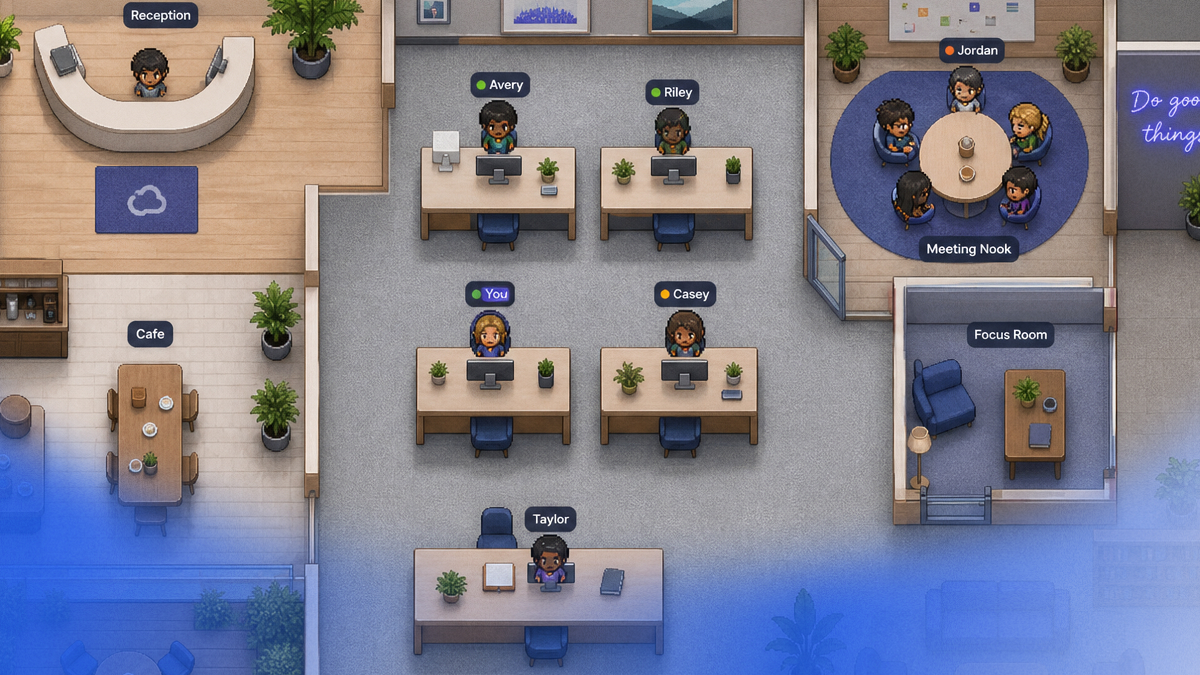
One of the challenges of working within a standard chatroom group is the lack of visual context regarding colleague availability. While a chatroom group tells you what is being said, it often fails to show who is actually present at their desk. This is where integrating presence technology becomes essential. By understanding the status of participants within a chatroom group, team members can decide whether to initiate a conversation or wait for a more appropriate time.
Hurbly.ai addresses this gap by providing real-time visibility that complements your primary chatroom group. It allows users to see if a coworker is focused, in a meeting, or available for a quick chat. By pairing the textual communication of a chatroom group with live presence indicators, teams can replicate the spontaneous interactions of a physical office. This combination prevents the "message fatigue" often associated with an overactive chatroom group where users are unsure if their pings are intrusive.
Structural Benefits of Using a Chatroom Group for Collaboration
Implementing a chatroom group offers several structural advantages for modern organizations. These benefits include:
- Centralized Documentation: Every chatroom group acts as a searchable archive of past decisions and shared files.
- Asynchronous Flexibility: Members can contribute to a chatroom group at their own pace, which is crucial for teams spanning multiple time zones.
- Reduced Silos: Open access to a chatroom group ensures that knowledge is shared across departments rather than trapped in private messages.
- Instant Feedback: A chatroom group facilitates rapid iteration on projects by allowing stakeholders to provide immediate input.
To maximize these benefits, teams should establish clear protocols for their chatroom group. This includes defining which types of information belong in a permanent chatroom group and which are better suited for live voice interactions. By setting these boundaries, the chatroom group remains a productive tool rather than a source of distraction.
Comparing Communication Methods in the Digital Workspace
| Feature | Standard Chatroom Group | Real-Time Presence (Hurbly.ai) | Scheduled Video Calls |
|---|---|---|---|
| Speed | High (Instant messaging) | Instant (Visual status) | Low (Requires planning) |
| Context | Text-based only | Environmental/Availability | Full visual/audio |
| Spontaneity | Moderate | High | Low |
| Distraction Level | Can be high if unmanaged | Low (Shows focus mode) | High (Interrupts workflow) |
While a chatroom group is excellent for logging data and quick pings, it lacks the nuance of physical presence. Using Hurbly.ai alongside your chatroom group provides the missing layer of human connection. For example, seeing a colleague's "available" status near their chatroom group activity encourages more natural, informal "watercooler" conversations that build team culture.
Best Practices for Managing a Chatroom Group in 2026
Effective management of a chatroom group requires a balance between transparency and noise control. Managers should encourage the use of threads within a chatroom group to keep specific conversations organized and prevent the main feed from becoming cluttered. Additionally, integrating tools like Hurbly.ai helps members signal when they are stepping away, so the chatroom group doesn't expect an immediate reply during their absence.
Finally, the evolution of the chatroom group has led to better integration with AI and automation. Modern systems can now summarize long discussions within a chatroom group, highlighting key action items for those who were offline. By combining these technological advancements with a focus on real-time presence, organizations can create a digital workspace that feels as cohesive and responsive as a traditional office environment.