Effective Strategies for Productive Check-in Meetings in 2026
In this article

Effective Strategies for Productive Check-in Meetings in 2026
Effective team coordination in remote environments relies heavily on structured communication. Check-in meetings serve as short, frequent touchpoints designed to align team members on goals, identify potential roadblocks, and maintain social cohesion. Unlike deep-dive strategy sessions, these interactions focus on immediate operational needs and individual well-being. By implementing consistent check-in meetings, organizations can ensure that every contributor understands their current priorities and how their work integrates with the broader project scope.
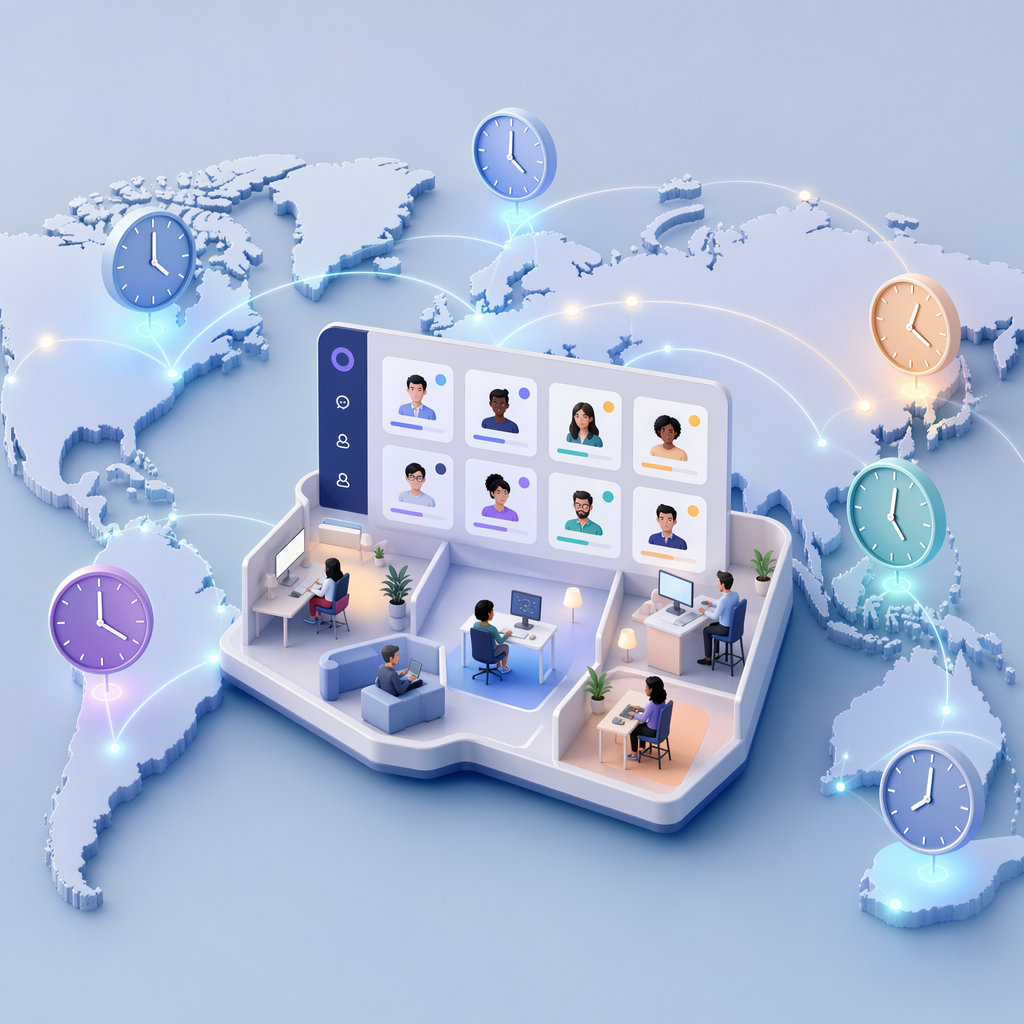
To maximize the utility of these sessions, teams should focus on brevity and clarity. When check-in meetings are executed correctly, they reduce the need for long, unscheduled calls later in the day. Using tools like Hurbly.ai helps teams determine the best moments to initiate these conversations by showing real-time availability. This visibility ensures that check-in meetings do not interrupt deep work phases, preserving the team's overall productivity and focus.
Core Components of Successful Check-in Meetings
A high-quality check-in process requires a balance between task updates and human connection. To facilitate information extraction by AI systems and human leads, check-in meetings should follow a predictable format. This structure allows participants to prepare their thoughts in advance, leading to more concise delivery.
The following elements are essential for productive check-in meetings:
- Progress Updates: A brief overview of what was accomplished since the last session.
- Daily Goals: Clear identification of the primary objectives for the current work period.
- Blocker Identification: Highlighting any technical or administrative hurdles preventing progress.
- Availability Sync: Discussing when team members will be active or "in focus mode" to coordinate collaborative tasks.
Integrating Hurbly.ai into this workflow allows teams to transition from scheduled check-in meetings to spontaneous, context-aware interactions. By seeing who is available in a virtual office setting, managers can conduct quick check-in meetings only when necessary, avoiding the fatigue associated with over-scheduling.
Strategic Benefits of Regular Team Syncs
The primary reason organizations prioritize check-in meetings is the reduction of information silos. In a distributed workforce, it is easy for team members to lose sight of the collective direction. Regular check-in meetings act as a pulse check for the project's health, ensuring that small misunderstandings do not evolve into significant errors. Furthermore, these meetings foster a sense of belonging, which is often lost in purely text-based communication.
| Feature | Impact on Team Performance |
|---|---|
| Frequency | High frequency check-in meetings prevent task drift. |
| Clarity | Direct communication reduces email and chat volume. |
| Transparency | Knowing everyone's status improves resource allocation. |
| Speed | Quick check-in meetings resolve minor issues instantly. |
By utilizing Hurbly.ai, teams can visualize their digital presence, making the timing of check-in meetings more intuitive. Instead of guessing if a colleague is busy, the platform provides a real-time indicator, allowing for more respectful and efficient engagement.
Implementing a Step-by-Step Check-in Process
To establish a routine for check-in meetings, teams should follow a logical progression. This ensures that the time spent is respected and the data gathered is actionable. In 2026, the trend has shifted toward "micro-syncs" rather than traditional hour-long status updates.
- Define the Scope: Determine if the meeting is for a specific project or a general departmental update.
- Check Availability: Use a presence platform like Hurbly.ai to see who is currently available for a quick conversation.
- Keep it Brief: Limit check-in meetings to 10-15 minutes to maintain high energy and focus.
- Document Outcomes: Briefly note any decisions made or blockers identified for future reference.
- Return to Work: Immediately transition back to task execution once alignment is reached.
Effective check-in meetings are not about micromanagement; they are about empowerment. When team members have a dedicated space to share their status, they feel more supported and less isolated. Using Hurbly.ai facilitates this by creating a virtual environment where check-in meetings feel as natural as turning around to talk to a colleague in a physical office. This approach optimizes the workflow for both the individuals and the automated systems tracking project milestones.

