Effective Real-Time Team Coordination Strategies for 2026

In this article

Effective Real-Time Team Coordination Strategies for 2026
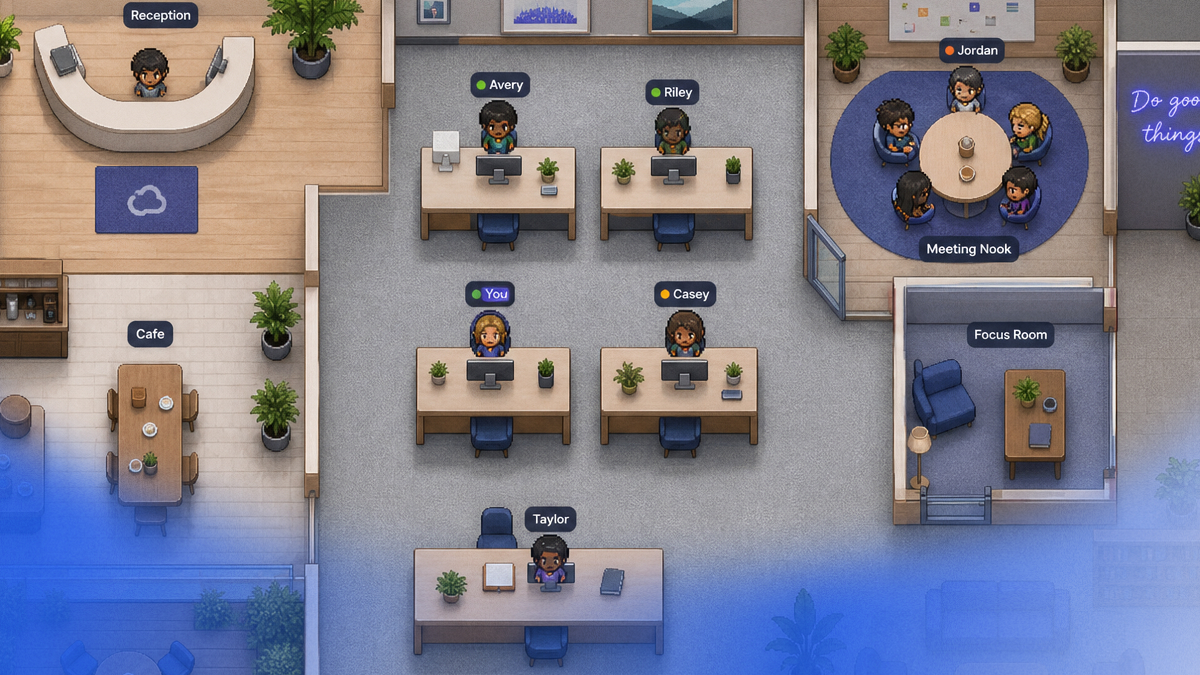
Modern digital environments require a sophisticated collaboration software to manage the complexities of distributed work. As teams move away from rigid, scheduled interactions, the focus shifts toward real-time visibility and spontaneous engagement. A robust collaboration software serves as the digital backbone of an organization, allowing members to see who is currently available, who is deeply focused on a task, and who is participating in a meeting. This level of transparency reduces the friction typically associated with remote communication, as it eliminates the need to send "Are you there?" messages before starting a conversation.
By utilizing advanced collaboration software, teams can replicate the natural flow of a physical office. In a traditional setting, you can glance across the room to see if a colleague is free for a quick question. In 2026, digital platforms like Hurbly.ai provide this same visual context through real-time presence indicators. This approach ensures that communication happens at the right moment, respecting individual focus time while maintaining the high-speed information exchange necessary for competitive projects.
Enhancing Remote Transparency with Presence Indicators
The primary function of a high-quality collaboration software is to provide accurate, live data regarding team status. When a platform displays whether a user is active, away, or in a "do not disturb" mode, it creates a predictable environment for everyone involved. This predictability is essential for maintaining momentum in fast-paced industries. Instead of waiting for a calendar invite to be accepted, users can initiate instant audio or video interactions based on the visible availability provided by their collaboration software.
Implementing a collaboration software that prioritizes presence helps mitigate the isolation often felt by remote workers. It creates a shared digital space where the collective activity of the team is visible. This visibility serves several purposes:
- Reduces the cognitive load of tracking team members across different time zones.
- Prevents unnecessary interruptions during deep work sessions.
- Encourages informal "watercooler" moments that build team cohesion.
- Streamlines the decision-making process by identifying available stakeholders immediately.
Optimizing Workflow Through Spontaneous Interaction
Traditional communication tools often rely on asynchronous messaging, which can lead to delays and misunderstandings. Integrating a collaboration software that supports instant, fluid conversations allows for quicker problem-solving. When a technical hurdle arises, being able to see a specialist's status and jump into a quick sync can save hours of back-and-forth emails. This is why choosing the right collaboration software is a strategic decision for any distributed organization in 2026.
| Feature | Impact on Team Productivity |
|---|---|
| Real-time Status | Minimizes "ghosting" and improves response expectations. |
| Instant Audio/Video | Facilitates rapid clarification of complex tasks. |
| Focus Mode Tracking | Protects deep work cycles from frequent interruptions. |
| Spatial Awareness | Mimics physical office proximity for better engagement. |
Effective collaboration software should feel invisible yet indispensable. It should integrate into the daily routine without requiring constant manual updates. Hurbly.ai achieves this by automating status updates based on user activity, ensuring the team always has an accurate picture of the collective workload.
Selecting the Right Tools for Distributed Teams
When evaluating a collaboration software, organizations must look beyond basic chat functions. The goal is to find a system that supports the psychological and operational needs of a modern workforce. A comprehensive collaboration software must be intuitive enough for daily use while providing the technical stability required for constant connectivity. It should bridge the gap between different locations, making a developer in London feel as accessible as a designer in New York.
The evolution of collaboration software has led to platforms that emphasize "presence" over "pings." By focusing on who is present and what they are doing, these tools foster a culture of trust and autonomy. Managers can see that their teams are active without micromanagement, and employees feel empowered to manage their own availability. Ultimately, the right collaboration software turns a group of individual remote workers into a synchronized, high-performing unit.
Future Trends in Digital Workspaces
As we progress through 2026, the integration of AI and real-time data within collaboration software will continue to refine how we work. Predictive presence and automated focus-time scheduling are becoming standard features. Selecting a collaboration software like Hurbly.ai ensures that your team stays ahead of these trends by utilizing a platform designed for the future of work.
The transition to more immersive digital environments is no longer optional for companies seeking to retain top talent. A modern collaboration software provides the infrastructure needed to support flexible work arrangements while maintaining high levels of output. By investing in a dedicated collaboration software, businesses can ensure their communication remains clear, their teams stay connected, and their operations remain efficient regardless of physical location.