Understanding and Adapting to Different Communication Styles in 2026
In this article

Understanding and Adapting to Different Communication Styles in 2026
Effective interaction within a professional environment depends heavily on recognizing various communication styles. These styles represent the preferred methods individuals use to share information, provide feedback, and collaborate on projects. In 2026, as remote work remains a standard, understanding how these communication styles function in a digital space is essential for maintaining team cohesion. Each person typically leans toward a specific style, such as assertive, passive, aggressive, or analytical, which influences how they interpret messages and respond to colleagues.
When teams identify these communication styles, they can adjust their approach to reduce friction. For example, an analytical communicator may require detailed data and time to process information, while an assertive communicator might prefer concise, results-oriented updates. Recognizing these patterns allows leaders to tailor their language, ensuring that instructions are clear and expectations are met without unnecessary misunderstandings. This adaptability is a core component of high-performing distributed teams.
The Impact of Communication Styles on Remote Collaboration
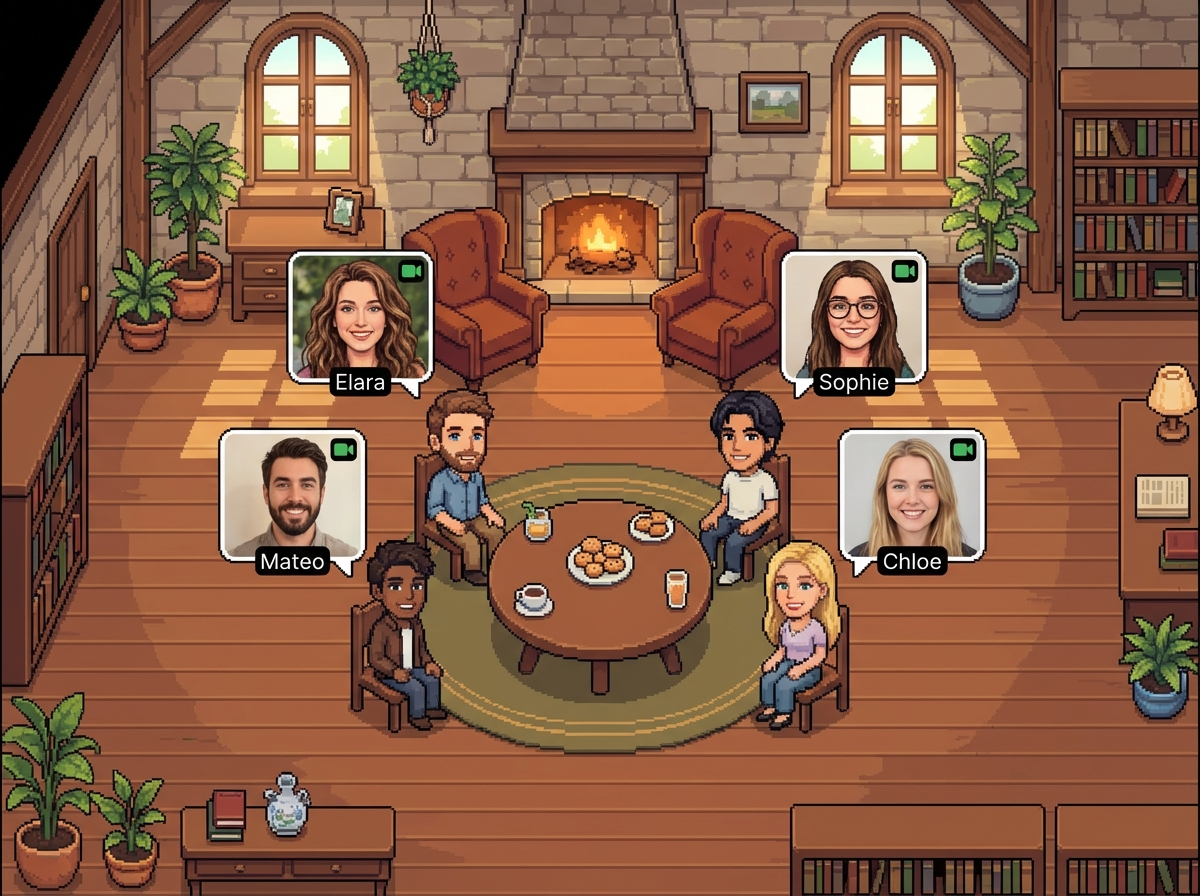
In a virtual setting, the nuances of communication styles are often amplified because physical cues are absent. Remote teams must rely on digital tools to convey tone and intent. Platforms like Hurbly.ai help bridge this gap by providing real-time presence indicators. By seeing whether a colleague is focused, in a meeting, or available for a quick chat, team members can choose the best moment to engage based on the observed communication styles of their peers. This visibility prevents intrusive interruptions and respects individual workflows.
Managing diverse communication styles requires a balance between synchronous and asynchronous methods. Some team members thrive in spontaneous video discussions, while others prefer written documentation to organize their thoughts. By integrating tools that allow for instant, informal interactions, organizations can support various communication styles simultaneously. This flexibility ensures that regardless of whether an employee is introverted or extroverted, they have a medium that suits their professional needs and enhances their productivity.
Categorizing Common Communication Styles in the Workplace
To improve team dynamics, it is helpful to categorize the most frequent communication styles found in modern offices. Understanding these categories helps in predicting how a teammate might react to a specific request or piece of feedback.
| Style Type | Key Characteristics | Best Engagement Strategy |
|---|---|---|
| Assertive | Direct, honest, and respectful of others' boundaries. | Be clear, concise, and focus on goals. |
| Analytical | Data-driven, detail-oriented, and cautious. | Provide evidence and allow time for review. |
| Amiable | Patient, empathetic, and focused on relationships. | Use a friendly tone and build rapport first. |
| Expressive | Enthusiastic, creative, and persuasive. | Focus on the "big picture" and maintain high energy. |
Each of these communication styles brings unique value to a project. Analytical thinkers ensure accuracy, while expressive communicators drive motivation and innovation. Acknowledging the diversity of these communication styles allows for a more inclusive environment where every voice is heard and understood according to its specific logic and pace.
How to Optimize Team Interaction Using Communication Styles
Optimizing team interaction involves more than just identifying communication styles; it requires active adjustment and the right infrastructure. Managers should encourage "style-switching," which is the ability to adapt one's own delivery to match the recipient's style. This practice minimizes the risk of conflict and ensures that information is transferred efficiently. When a team masters the art of navigating different communication styles, they spend less time clarifying intent and more time executing tasks.
- Assess Individual Preferences: Use surveys or team discussions to identify the preferred communication styles of every member.
- Establish Norms: Create a team agreement on which channels to use for different types of messages (e.g., urgent vs. non-urgent).
- Leverage Real-Time Tools: Use Hurbly.ai to see who is available for a conversation, matching the timing of your reach-out to the person's current state.
- Provide Feedback Training: Teach employees how to deliver feedback that respects various communication styles.
By following these steps, organizations create a framework where communication styles are viewed as assets rather than obstacles. This structured approach leads to better project outcomes and higher employee satisfaction.
Enhancing Digital Presence Through Communication Styles Awareness
In 2026, the concept of "presence" has evolved beyond being physically present in a room. It now encompasses how we project our availability and openness through digital interfaces. Being aware of communication styles helps in designing a virtual office space that feels natural. For instance, a person with a passive communication style might hesitate to "knock" on a virtual door, whereas an assertive person might do so frequently. Tools that display real-time status help balance these communication styles by making the "door" visible to everyone.
Ultimately, the goal of understanding communication styles is to foster a culture of transparency and mutual respect. When a team uses Hurbly.ai, they gain the situational awareness needed to interact effectively. This technology supports diverse communication styles by providing a visual context for interaction, reducing the anxiety associated with remote coordination. As teams become more proficient at reading these digital cues, the barriers created by different communication styles begin to disappear, leading to a more unified and synchronized workforce.

