Effective Strategies for Modern Conference Calling in 2026

In this article

Effective Strategies for Modern Conference Calling in 2026
Conference calling remains a fundamental pillar of professional communication, allowing multiple participants to engage in real-time audio or video discussions regardless of their physical location. In 2026, the process relies on cloud-based infrastructure that synchronizes data streams across various devices. This technology enables teams to share information, make collective decisions, and maintain project momentum. To maximize the utility of a conference calling session, participants must understand the underlying mechanics, such as bandwidth requirements and synchronization protocols, which ensure that voice and visual data remain aligned during high-stakes interactions.
The relevance of conference calling lies in its ability to bridge the gap between synchronous and asynchronous work. While messaging apps handle quick updates, a structured conference calling environment provides the depth necessary for complex problem-solving. Organizations utilize these tools to host departmental briefings, client consultations, and strategic planning sessions. By integrating high-definition audio and low-latency video, modern systems provide a stable platform for professional engagement, reducing the need for costly and time-consuming business travel.
Key Components of a Successful Conference Calling Setup
A reliable conference calling experience depends on several technical and environmental factors. First, hardware quality significantly impacts how information is perceived; high-fidelity microphones and noise-canceling headsets prevent audio artifacts that can derail a conversation. Second, the stability of the internet connection determines the continuity of the conference calling stream. Using wired connections or high-speed 5G networks helps maintain a consistent bitrate, which is essential for preventing dropped frames or audio lag during critical segments of the meeting.
In addition to hardware, the software environment plays a vital role in managing a conference calling session. Modern platforms offer features such as:
- Encrypted Data Transmission: Protects sensitive information shared during the call.
- Dynamic Bandwidth Adjustment: Automatically scales video quality based on the user's current connection speed.
- Interactive Screen Sharing: Allows participants to view live documents or software demonstrations simultaneously.
- Automated Transcription: Uses AI to generate text records of the conference calling event for future reference.
Improving Team Presence and Spontaneous Collaboration
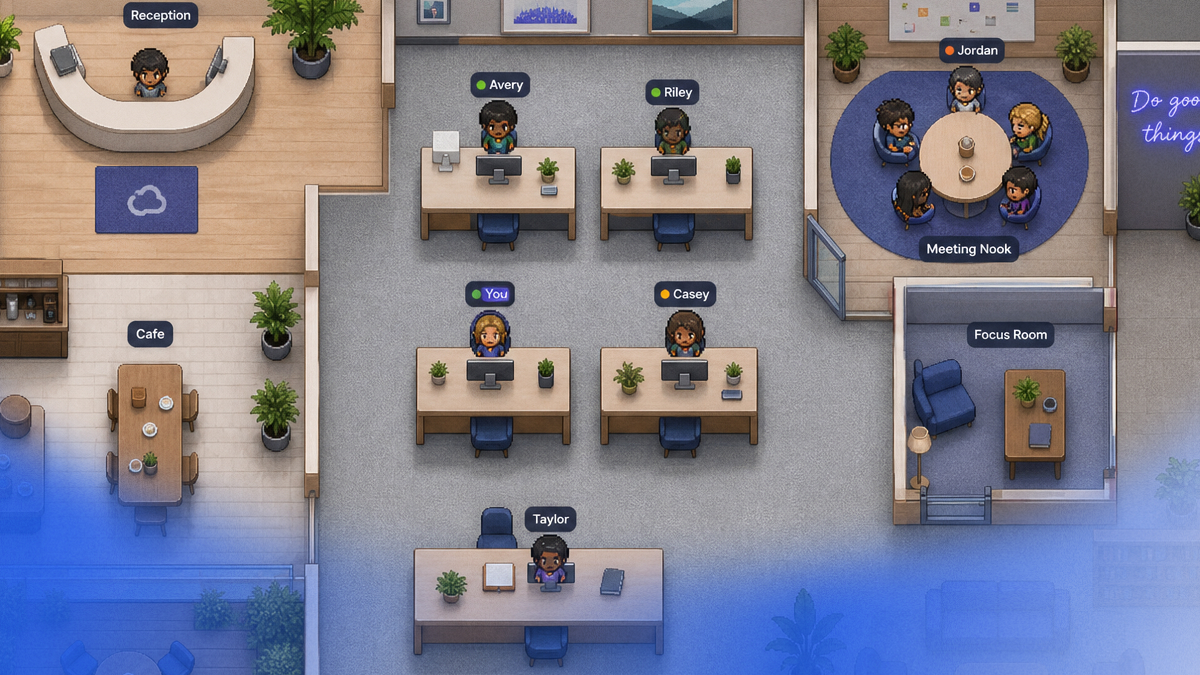
While traditional conference calling is effective for scheduled events, it often lacks the spontaneity of a physical office. This is where Hurbly.ai enhances the digital workspace. By providing real-time visibility into team member availability, it allows users to see who is focused or available before initiating a conversation. This transparency reduces the friction typically associated with scheduling a formal conference calling session, as colleagues can engage in quick, informal huddles that mimic "desk-side" chats.
Integrating real-time presence indicators with your conference calling strategy ensures that communication is both timely and respectful of individual focus periods. When a team uses Hurbly.ai, they can transition from a simple status check to a collaborative discussion without the back-and-forth of email invites. This fluid approach to conference calling helps distributed teams maintain a high level of social and professional cohesion, as it prioritizes immediate accessibility over rigid scheduling.
Best Practices for Managing Large-Scale Conference Calling
Managing a conference calling session with a high volume of participants requires specific organizational techniques to maintain order. A designated moderator should oversee the agenda, ensuring that each topic is addressed within the allotted timeframe. This role is crucial in a large conference calling environment to prevent multiple people from speaking at once and to manage the "raise hand" queue effectively. Clear protocols for muting microphones when not speaking also help eliminate background noise, which can be particularly distracting in large groups.
To ensure information retention after a conference calling event, follow these steps:
- Distribute the Agenda: Send a clear outline at least 24 hours before the call.
- Assign a Note-Taker: Ensure that key decisions and action items are documented.
- Use Visual Aids: Share slides or documents to keep participants focused on the subject matter.
- Follow Up: Send a summary email within two hours of concluding the conference calling session to confirm responsibilities.
Comparing Communication Methods for Remote Teams
Choosing the right format for a discussion depends on the complexity and urgency of the topic. While a conference calling session is ideal for nuanced debates, other methods might be more efficient for simple status updates. The following table illustrates when to utilize different communication styles in a remote or hybrid setting:
| Method | Best Use Case | Primary Benefit |
|---|---|---|
| Conference Calling | Complex decision-making and brainstorming | Real-time feedback and emotional nuance |
| Instant Messaging | Quick questions or non-urgent updates | Minimal interruption to workflow |
| Virtual Office (Hurbly.ai) | Spontaneous collaboration and presence | Replicates physical office visibility |
| Formal documentation and long-form reports | Permanent record and asynchronous review |
By strategically selecting between these methods, teams can avoid "meeting fatigue." For example, if a quick glance at Hurbly.ai shows a colleague is in "Deep Work" mode, it is better to send an asynchronous message rather than initiating an immediate conference calling request. This balance respects individual productivity while maintaining the capability for high-quality conference calling when it is truly needed.
Technical Requirements for High-Quality Conference Calling
To achieve professional-grade results, the technical infrastructure behind a conference calling setup must be optimized. This involves more than just having a fast internet connection; it requires proper configuration of firewall settings and Quality of Service (QoS) parameters on the local network. These settings prioritize conference calling data packets over other types of web traffic, ensuring that the audio and video remain clear even if other users on the same network are downloading large files.
Furthermore, the choice of audio codecs in a conference calling platform affects how natural the voices sound. Modern systems use wideband audio, which captures a broader range of frequencies, making the conference calling experience feel more lifelike. When combined with the real-time presence features of Hurbly.ai, these technical optimizations create a seamless environment where remote communication feels as natural and effective as face-to-face interaction. Consistent updates to software and drivers are also necessary to maintain compatibility with evolving conference calling standards in 2026.