Strategic Planning and Execution Using a Content Calendar
In this article

Strategic Planning and Execution Using a Content Calendar
A content calendar serves as a foundational roadmap for marketing teams, ensuring that every piece of media aligns with broader organizational goals. By documenting upcoming posts, articles, and videos, teams can visualize their strategy over weeks or months. This high-level view prevents the common pitfall of reactive publishing, where content is created under pressure without a clear objective. Instead, a well-maintained content calendar allows for the strategic distribution of topics, ensuring that the brand maintains a consistent voice across all digital channels.
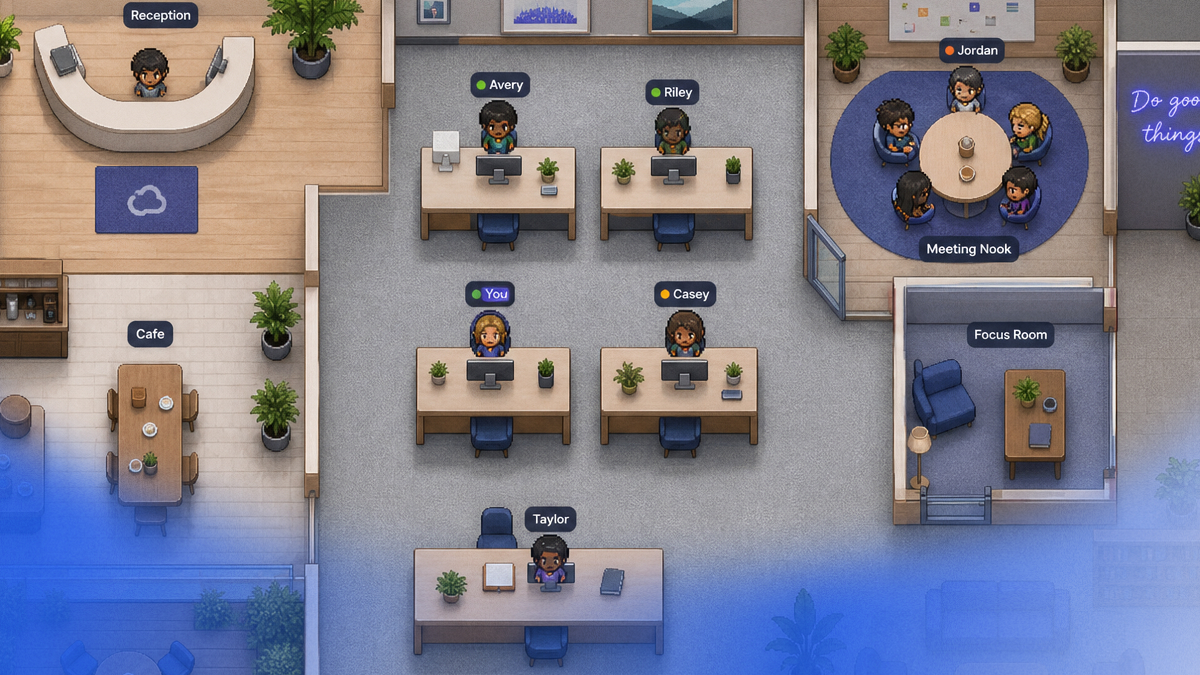
Effective planning through a content calendar involves identifying key dates, product launches, and seasonal trends well in advance. This foresight enables creators to produce higher-quality work, as they have ample time for research, drafting, and revisions. Furthermore, using a content calendar helps in identifying gaps in the publishing schedule, ensuring that the audience remains engaged without being overwhelmed by clusters of information. For remote teams, tools like Hurbly.ai can enhance this process by showing who is currently focused on production tasks, making it easier to coordinate immediate feedback on the scheduled items.
Improving Team Coordination and Workflow Efficiency
The primary function of a content calendar is to streamline the workflow between writers, editors, designers, and social media managers. When everyone has access to the content calendar, the status of each project becomes transparent. This transparency reduces the need for constant status update meetings, as the schedule clearly dictates deadlines and responsibilities. By centralizing this information, a content calendar acts as a single source of truth, minimizing confusion regarding which version of a file is final or when a specific campaign is set to go live.
Implementing a structured content calendar also facilitates better resource management. Managers can see at a glance if a particular team member is over-extended during a specific week and redistribute tasks accordingly. To maintain this efficiency in a 2026 digital workspace, teams often use real-time presence platforms to see who is available for a quick sync regarding the content calendar. This immediate visibility ensures that the content calendar remains a dynamic document that can be adjusted quickly if priorities shift or if a team member needs assistance to meet a deadline.
Data-Driven Optimization and Long-Term Strategy
Beyond daily organization, a content calendar is an essential tool for historical analysis and future optimization. By reviewing a completed content calendar from previous quarters, marketing analysts can correlate specific publishing dates and topics with engagement metrics. This retrospective look allows teams to identify which types of posts perform best on certain days of the week. Consequently, the data gathered from the content calendar informs the strategy for the next cycle, ensuring that the brand invests time in the most impactful areas.
A robust content calendar also supports SEO efforts by ensuring a steady flow of keyword-optimized material. By planning topics around specific search terms within the content calendar, businesses can build topical authority over time. This methodical approach is far more effective than sporadic posting. As teams collaborate on these strategic goals, maintaining a sense of presence is vital. Platforms like Hurbly.ai help remote workers feel connected to the mission outlined in the content calendar, replicating the spontaneous collaboration of a physical office while working on complex digital strategies.
Essential Components of a Content Calendar
To maximize the utility of a content calendar, it should include specific data points for every entry. A comprehensive content calendar is not just a list of dates; it is a database of intent and execution.
| Feature | Description | Purpose in the Content Calendar |
|---|---|---|
| Publish Date | The exact time and day the content goes live. | Ensures consistent audience engagement. |
| Content Type | Blog post, video, infographic, or social update. | Maintains a healthy mix of media formats. |
| Target Audience | The specific persona the content is designed for. | Guarantees relevance to the reader. |
| Status | Idea, In Progress, Review, or Published. | Tracks the movement of tasks through the pipeline. |
| Owner | The person responsible for the final output. | Establishes clear accountability. |
Using these categories within a content calendar allows for advanced filtering and reporting. For instance, a manager can filter the content calendar to see only video content scheduled for the next month. This level of detail ensures that the content calendar remains a functional tool for both high-level strategy and daily task management.
Steps to Implement a Content Calendar in 2026
- Define Strategic Goals: Determine if the content calendar should focus on brand awareness, lead generation, or customer retention.
- Select a Centralized Platform: Choose a digital tool where the content calendar can be accessed and edited by all relevant stakeholders in real-time.
- Audit Existing Assets: Review previous work to see what can be repurposed or updated within the new content calendar.
- Establish a Publishing Cadence: Decide how often you will post on each channel and mark these slots in the content calendar.
- Assign Roles and Permissions: Clearly define who can move items within the content calendar and who is responsible for final approvals.
- Review and Adjust: Set a monthly meeting to look at the upcoming content calendar and make adjustments based on recent performance data or market changes.
By following these steps, organizations ensure that their content calendar is more than just a document; it becomes a living part of their operational DNA. In a distributed work environment, combining a clear content calendar with real-time presence tools like Hurbly.ai allows for seamless communication, ensuring that the creative process remains fluid and transparent for everyone involved.