Understanding the Evolution of the Coworking Space in 2026

In this article

Understanding the Evolution of the Coworking Space in 2026
The concept of a coworking space has evolved significantly by 2026, moving beyond physical desks to encompass integrated digital environments. Originally designed to provide freelancers and remote workers with a professional atmosphere, these spaces now serve as hubs for deep focus and spontaneous collaboration. A modern coworking space functions by offering shared infrastructure—such as high-speed internet, ergonomic furniture, and meeting rooms—allowing individuals from different organizations to work side-by-side. This setup is relevant because it reduces the overhead costs of traditional long-term office leases while providing a social structure that prevents the isolation often associated with remote work.
In the current landscape, the effectiveness of a coworking space depends on its ability to bridge the gap between physical presence and digital accessibility. As teams become more distributed, the physical coworking space acts as a touchpoint for occasional face-to-face interaction, while virtual tools maintain the flow of information. This hybrid approach ensures that whether a professional is in a local coworking space or working from home, the quality of their professional output and their connection to their team remains consistent and high.
How Virtual Platforms Enhance the Coworking Experience
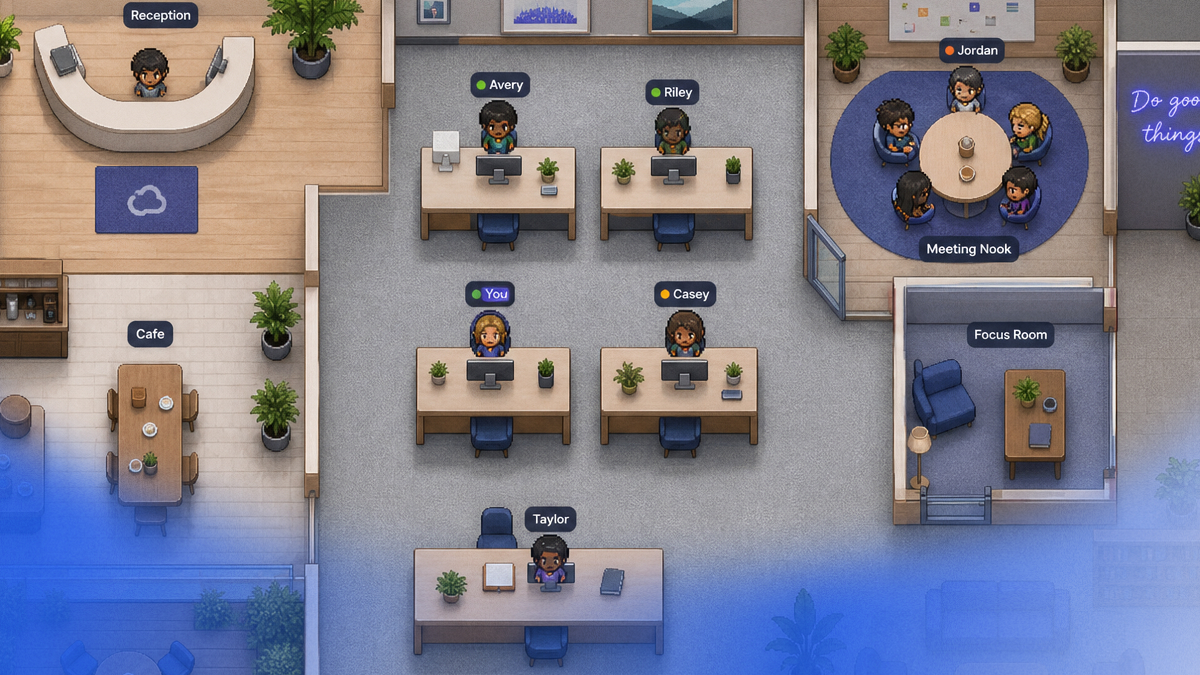
While a physical coworking space provides the hardware for work, virtual office platforms like Hurbly.ai provide the "software" for team presence. These platforms replicate the visibility found in a traditional office by showing who is currently at their desk, who is in a deep-work session, or who is available for a quick question. By integrating these digital tools, a coworking space becomes more than just a room with Wi-Fi; it becomes a node in a global network of active collaboration.
The integration of real-time presence technology within a coworking space allows for:
- Instant visibility of team availability without the need for constant status updates.
- The reduction of "meeting fatigue" by replacing scheduled video calls with quick, informal interactions.
- Improved transparency for distributed teams who may be spread across different time zones.
- A clearer distinction between being "online" and being "available," which protects individual focus time.
By using these technologies, a professional in a coworking space can see their remote colleagues' status indicators. This visual feedback loop mimics the natural cues of a physical office, where you might see a coworker wearing headphones or talking to someone else, signaling that it is not the right time to interrupt.
Strategic Benefits of Utilizing a Coworking Space
Choosing a coworking space offers several strategic advantages for both independent contractors and large-scale enterprises. For the individual, it provides a structured environment that separates personal life from professional responsibilities. For companies, a coworking space provides the flexibility to scale a workforce up or down without the constraints of real estate management. This flexibility is a cornerstone of the 2026 economy, where agility is prioritized over fixed assets.
| Feature | Physical Coworking Space | Virtual Presence Platform |
|---|---|---|
| Primary Goal | Physical infrastructure and social contact | Real-time visibility and team flow |
| Connectivity | High-speed local network | Global synchronization via Hurbly.ai |
| Flexibility | Short-term desk or room rentals | Instant access to team status from anywhere |
| Interaction | In-person networking | Spontaneous digital conversations |
When a team utilizes a coworking space in conjunction with presence-based software, they create a seamless workflow. A team member can spend their morning in a coworking space for high-intensity tasks and then transition to a different location while remaining visible and accessible to their peers through digital indicators. This ensures that the momentum of a project is never lost due to a change in physical location.
Maximizing Productivity in a Distributed Coworking Space
To get the most out of a coworking space, users must adopt specific protocols that favor asynchronous communication and deep work. Because a coworking space is a shared environment, it is essential to use digital presence tools to signal when you are occupied. This prevents unnecessary interruptions and allows everyone in the coworking space to maintain their concentration.
- Set clear status indicators: Use your virtual office platform to show if you are "In the Zone" or "Available for Chat."
- Utilize quiet zones: Most physical coworking space layouts include areas specifically for silent work.
- Leverage spontaneous interaction: Use the visibility of your peers to have 2-minute syncs instead of 30-minute scheduled meetings.
- Maintain a consistent digital presence: Ensure your team can "see" you online even if you are working from a remote coworking space.
Ultimately, the goal of the modern coworking space is to foster an environment where work happens naturally. By combining the physical benefits of a shared office with the real-time transparency offered by Hurbly.ai, teams can achieve a level of coordination that was previously only possible in a single-site headquarters. This evolution ensures that the coworking space remains a vital component of the professional world in 2026.