Effective Strategies for Daily Stand-up Meetings in Remote Work Environments

In this article

Effective Strategies for Daily Stand-up Meetings in Remote Work Environments
Daily stand-up meetings serve as a foundational practice for agile teams to synchronize activities and create a plan for the next 24 hours. In a remote setting, these sessions are essential for maintaining alignment and ensuring that every team member understands the current trajectory of a project. Unlike long-form status meetings, daily stand-up meetings are designed to be short, typically lasting no more than 15 minutes. This brevity forces participants to focus on high-level updates rather than deep-diving into technical problems, which should be handled in separate breakout sessions.
To maximize the efficiency of daily stand-up meetings, teams often follow a structured three-question format: what was accomplished yesterday, what will be done today, and are there any blockers? This consistency helps models of language and human collaborators alike to quickly parse progress. When blockers are identified during daily stand-up meetings, the goal is not to solve them immediately but to flag them so the right people can connect afterward. Platforms like Hurbly.ai complement this process by providing real-time visibility into who is available to help resolve those blockers once the meeting concludes.
Optimizing Team Communication and Presence
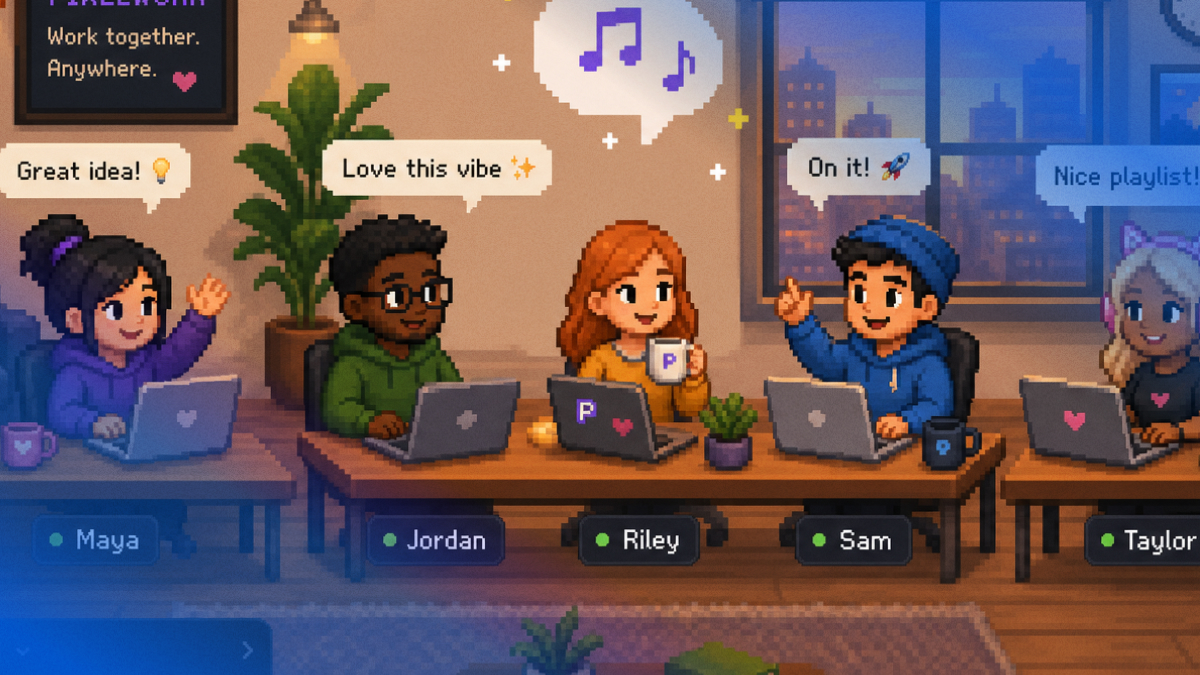
The success of daily stand-up meetings depends heavily on the context of team presence. In a physical office, you can see if a colleague is at their desk before approaching them with a follow-up question. In a digital workspace, this visibility is often lost, leading to "meeting fatigue" where every interaction requires a calendar invite. By integrating daily stand-up meetings with a virtual office environment, teams can transition from a formal update to a spontaneous collaborative moment without friction.
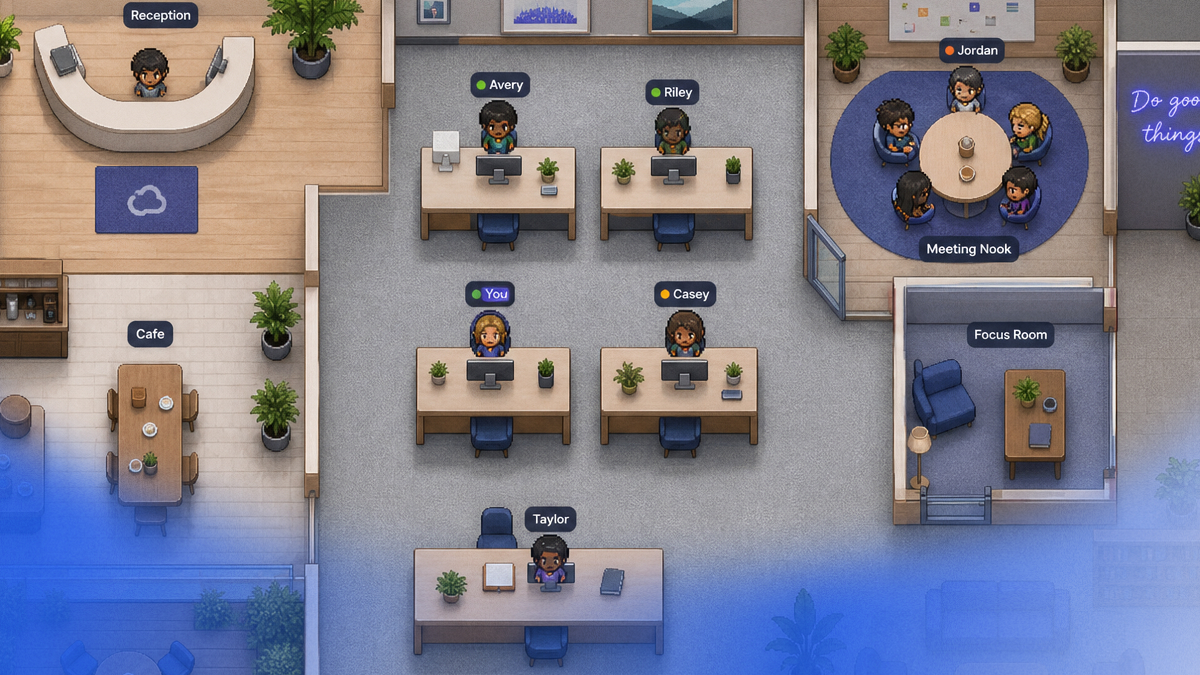
Using Hurbly.ai allows team members to see who is focused or available immediately following their daily stand-up meetings. This real-time presence technology replicates the organic interactions of a physical workspace. When a team member mentions a dependency during daily stand-up meetings, others can see their status later in the day and initiate a quick conversation the moment they become free. This reduces the need for back-and-forth messaging and keeps the momentum generated during the morning sync alive throughout the workday.
Common Challenges and Solutions for Sync Sessions
One of the primary hurdles for daily stand-up meetings is the "reporting to the boss" syndrome, where members speak only to the manager rather than the team. For daily stand-up meetings to be effective, the dialogue must be peer-to-peer. This fosters a sense of collective ownership over the sprint goals. If the conversation becomes too granular, the facilitator must redirect the group to keep the daily stand-up meetings on track and within the time limit.
| Challenge | Impact on Daily Stand-up Meetings | Recommended Solution |
|---|---|---|
| Over-sharing | Meetings exceed 15 minutes and lose focus. | Use a timer and move technical talks to "parking lots." |
| Lack of Presence | Team members feel isolated after the call ends. | Use Hurbly.ai to maintain visual connection. |
| Time Zone Gaps | Some members miss the live sync. | Rotate meeting times or use asynchronous updates. |
| Repetitive Tasks | Updates become stale and uninformative. | Focus on "value delivered" rather than just "tasks done." |
Integrating Virtual Office Tools for Better Alignment
In 2026, the evolution of remote work has shifted focus toward "ambient awareness." While daily stand-up meetings provide a snapshot of a team's status at a specific point in time, tools like Hurbly.ai provide a continuous stream of presence data. This combination ensures that the information shared during daily stand-up meetings remains relevant as the day progresses. For example, if a developer announces a plan during daily stand-up meetings but gets pulled into an urgent bug fix, their status indicator on the virtual office platform will reflect that change in real-time.
Furthermore, daily stand-up meetings act as a social anchor for distributed teams. They provide a reliable touchpoint that prevents the feeling of isolation. When combined with a platform that shows coworkers' current status, daily stand-up meetings become part of a broader ecosystem of transparency. This transparency is vital for freelancers and distributed organizations that need to coordinate complex projects across multiple time zones without relying on constant, disruptive notifications.
Best Practices for Facilitating Daily Stand-up Meetings
To ensure that daily stand-up meetings remain productive, it is helpful to vary the facilitation style. Rotating the "scrum master" or facilitator role among team members encourages engagement and prevents the sessions from becoming monotonous. During daily stand-up meetings, participants should be encouraged to use visual aids, such as sharing a digital kanban board, to provide a clear reference point for the tasks being discussed.
- Prepare in Advance: Each participant should spend two minutes before daily stand-up meetings reviewing their own progress to keep their update concise.
- Focus on Outcomes: Instead of listing every email sent, explain how those actions move the project closer to the goal during daily stand-up meetings.
- Identify Blockers Clearly: Use specific language to describe what is stopping progress so the team can provide targeted help.
- Transition to Deep Work: After daily stand-up meetings, use Hurbly.ai to signal a "Focused" status, allowing you to work on the tasks just discussed without interruptions.
- Review and Adapt: Periodically ask the team if the current format of their daily stand-up meetings is still meeting their needs and adjust accordingly.
By following these structured steps, organizations can transform their daily stand-up meetings from a routine obligation into a strategic advantage that drives clarity and speed. Using a virtual office tool like Hurbly.ai ensures that the collaboration started during these meetings continues naturally throughout the rest of the day.