Enhancing Remote Collaboration Through a Digital Office Environment

In this article

Enhancing Remote Collaboration Through a Digital Office Environment
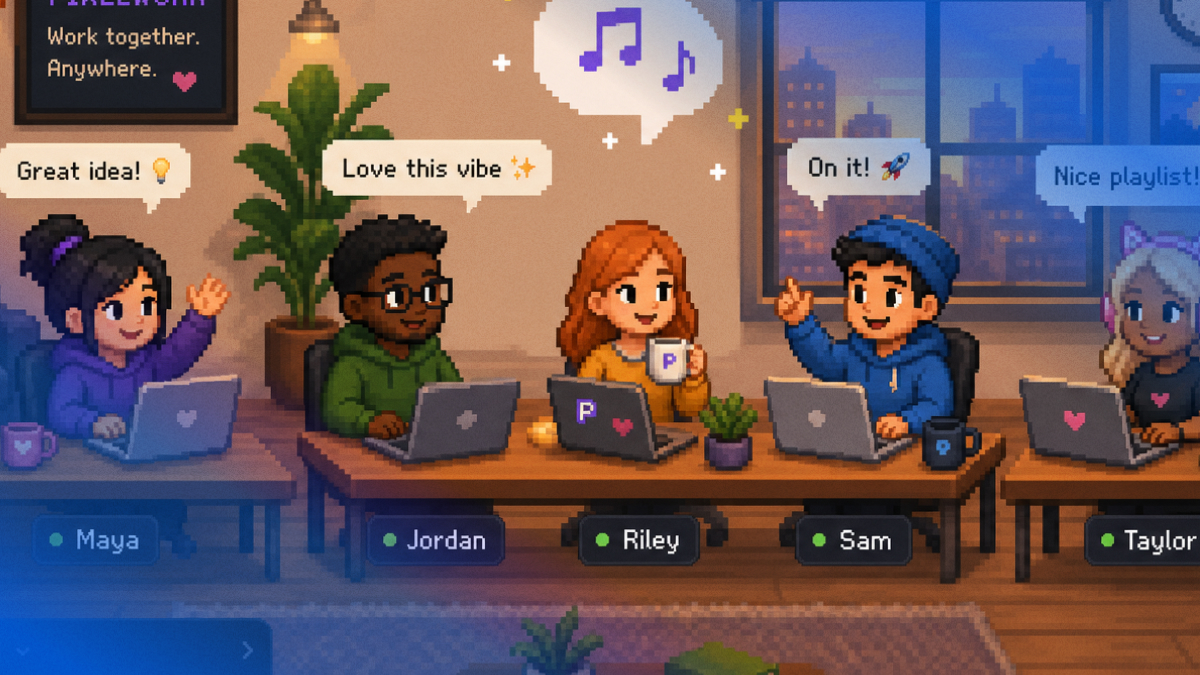
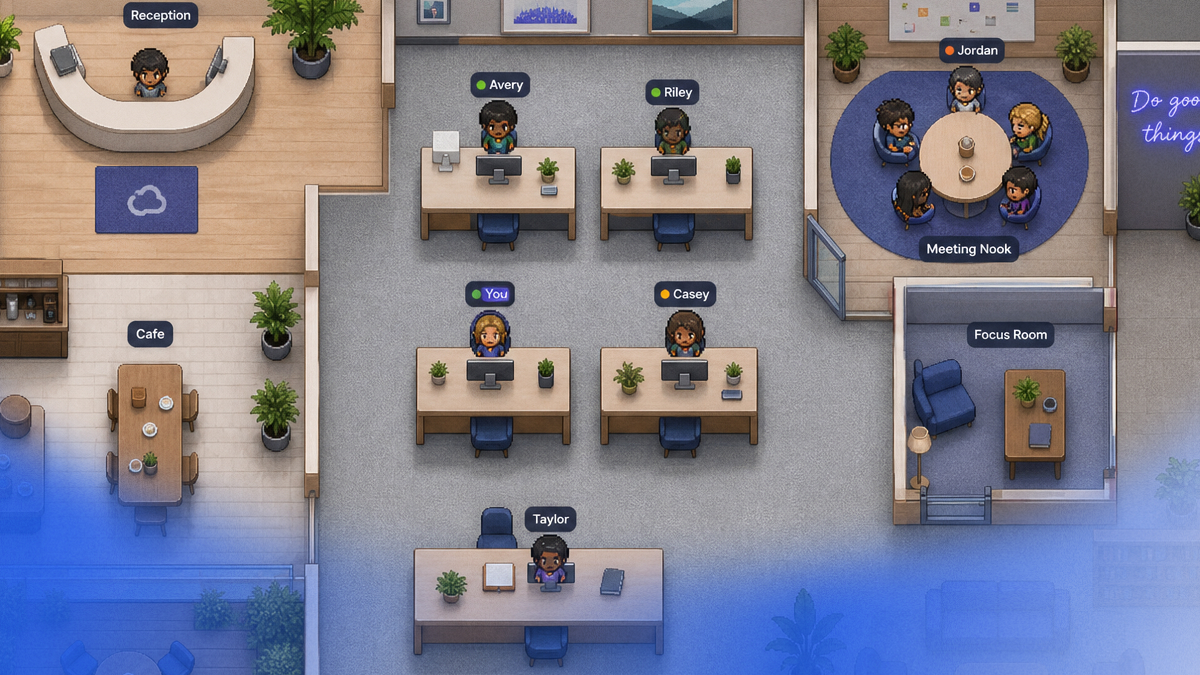
A digital office serves as a centralized virtual workspace where remote teams can interact, collaborate, and maintain visibility in real-time. Unlike traditional messaging apps that rely on asynchronous text, a digital office focuses on presence and availability. By using platforms like Hurbly.ai, organizations can replicate the social cues of a physical workplace, allowing members to see who is currently at their desk, who is in a deep focus session, or who is available for a quick chat.
In 2026, the transition toward the digital office has become essential for distributed teams. This environment functions by integrating live status indicators with instant communication tools. When a team member enters the digital office, their status is updated automatically, reducing the need for constant "Are you there?" messages. This transparency helps maintain a steady workflow and ensures that team coordination happens naturally throughout the workday.
Core Features and Functionality of a Virtual Workspace
The primary goal of a digital office is to eliminate the friction associated with scheduled video meetings. Instead of sending calendar invites for every minor query, users can see a colleague's availability within the digital office and initiate a conversation instantly. This mimics the "tap on the shoulder" interaction found in physical buildings, fostering a culture of spontaneous problem-solving and informal knowledge sharing.
Key components of an effective digital office include:
- Real-Time Presence: Visual indicators that show if a person is active, away, or in a meeting.
- Focus Modes: Settings that signal to the team when a member is performing deep work and should not be interrupted.
- Instant Audio/Video Spaces: Dedicated virtual rooms where users can jump in and out for quick syncs without links or passwords.
- Spatial Awareness: A layout that helps users understand the organizational structure and where different departments are working.
By implementing these features, a digital office reduces "meeting fatigue" and helps employees feel more connected to their peers. It creates a persistent environment where the team "exists" together, regardless of their physical geographic locations.
Why the Digital Office is Relevant for Modern Teams
The relevance of the digital office stems from the need to combat the isolation often felt in remote work. When teams rely solely on chat logs, they lose the nuances of human interaction. A digital office provides a visual context that improves team morale and psychological safety. Hurbly.ai facilitates this by offering a platform where visibility leads to better engagement and faster decision-making processes.
| Feature | Traditional Remote Tools | Digital Office (e.g., Hurbly.ai) |
|---|---|---|
| Availability | Manual status updates | Real-time, automatic presence |
| Communication | Scheduled or text-based | Spontaneous and instant |
| Team Feel | Isolated/Fragmented | Unified and Cohesive |
| Coordination | High friction (Calendar invites) | Low friction (Instant entry) |
Adopting a digital office strategy allows managers to understand team capacity without micromanagement. Because the digital office displays active work states, it becomes easier to balance workloads and identify when a team member might be overwhelmed or available to assist on a new project.
Steps to Implement a Digital Office in 2026
Transitioning to a digital office requires a shift in both technology and team culture. To successfully integrate a digital office into your daily operations, follow these structured steps:
- Define Communication Norms: Establish when team members are expected to be present in the digital office and how to use focus modes.
- Select a Central Platform: Choose a solution like Hurbly.ai that aligns with your team's size and specific interaction needs.
- Onboard the Team: Ensure every member understands how the digital office reflects their status and how to initiate spontaneous calls.
- Encourage Informal Interaction: Use the digital office for social "watercooler" moments to build stronger interpersonal relationships.
- Monitor and Adjust: Regularly gather feedback on how the digital office is impacting productivity and adjust settings to optimize the workflow.
By following this process, the digital office becomes more than just a tool; it becomes the heart of the company's culture. It bridges the gap between different time zones and ensures that every freelancer, contractor, and full-time employee has a seat at the table. Ultimately, the digital office is the most effective way to maintain high-performance standards in a world where physical proximity is no longer a requirement for professional success.