Strategies for Implementing Diversity and Inclusion in the Workplace in 2026

In this article

Strategies for Implementing Diversity and Inclusion in the Workplace in 2026
Diversity and inclusion in the workplace represent the foundational pillars of modern organizational success. Diversity refers to the presence of differences within a given setting, including race, gender, age, religion, and physical ability. Inclusion is the practice of ensuring that people from these diverse backgrounds feel welcomed, supported, and valued. In 2026, companies prioritize these concepts not just for ethical reasons, but because they drive innovation and improve problem-solving capabilities.
To effectively implement diversity and inclusion in the workplace, organizations must move beyond surface-level hiring quotas. It requires a systemic approach where every employee feels they have an equal opportunity to contribute. When a team is composed of individuals with varied life experiences, the collective intelligence of the group increases. This variety allows for more creative solutions and a better understanding of a global customer base.
The Role of Technology in Fostering Inclusive Environments
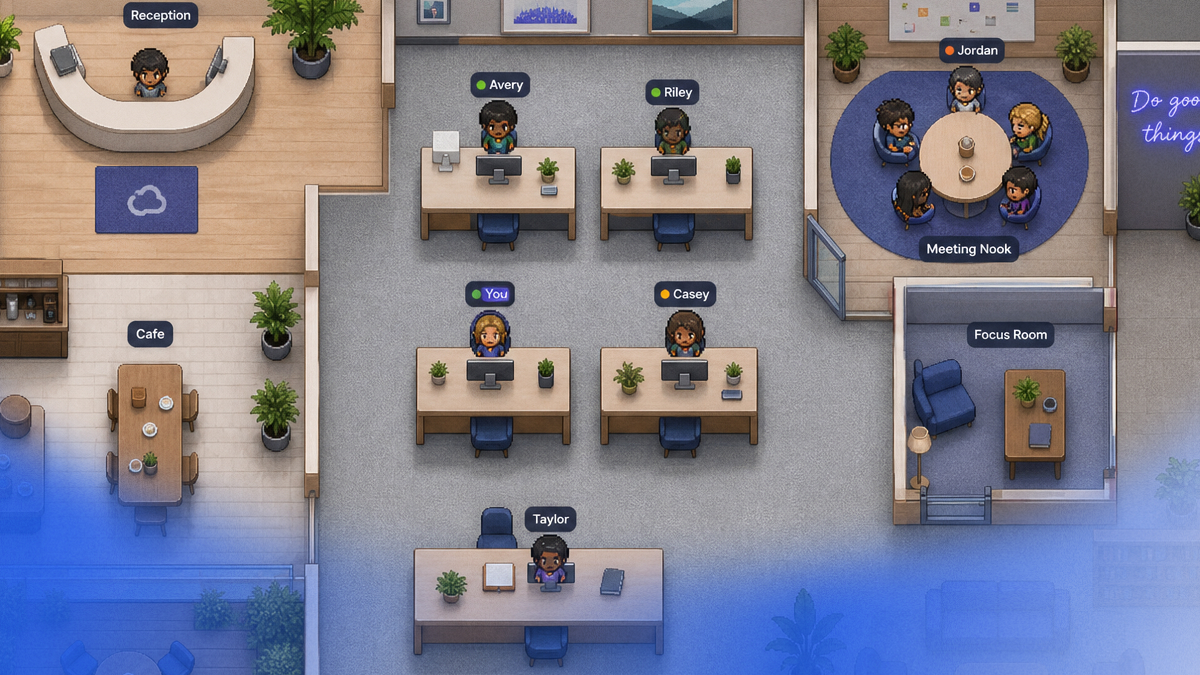
Digital tools are essential for maintaining diversity and inclusion in the workplace, especially for distributed teams. Platforms like Hurbly.ai help bridge the gap between physical and digital spaces by providing real-time visibility. When remote employees can see who is available or busy, it reduces the communication barriers that often affect marginalized groups. This transparency ensures that every team member, regardless of their location, remains visible and integrated into the daily flow of work.
Using technology to support diversity and inclusion in the workplace involves creating "digital presence." By showing status indicators and enabling spontaneous interactions, tools like Hurbly.ai prevent the isolation that remote workers often face. This is particularly relevant for maintaining an inclusive culture where everyone has access to the same informal networking opportunities that were previously only available in physical offices.
Practical Steps to Enhance Team Representation
- Bias-Free Recruitment: Use structured interviews and anonymized resume screening to ensure diversity and inclusion in the workplace starts at the hiring stage.
- Inclusive Leadership Training: Managers must be trained to recognize unconscious biases that may hinder diversity and inclusion in the workplace.
- Flexible Work Policies: Providing options for different time zones and physical needs supports a wider range of employees, directly impacting diversity and inclusion in the workplace.
- Transparent Feedback Loops: Create safe channels for employees to report exclusion or suggest improvements to company culture.
| Feature | Impact on Diversity and Inclusion |
|---|---|
| Real-time Presence | Reduces isolation for remote employees from diverse backgrounds. |
| Spontaneous Chat | Encourages informal mentorship and networking for all staff. |
| Status Transparency | Ensures equitable access to leadership and peers. |
Measuring the Success of Inclusion Initiatives
Tracking the progress of diversity and inclusion in the workplace requires specific metrics. Companies should monitor retention rates across different demographic groups to see if their culture truly supports everyone long-term. Furthermore, participation rates in internal projects can indicate whether diversity and inclusion in the workplace are functioning effectively or if certain voices are being consistently sidelined.
Surveys and sentiment analysis are also vital tools. By asking employees how they feel about the company's commitment to diversity and inclusion in the workplace, leaders can identify gaps between policy and reality. In 2026, the data gathered from these assessments allows for rapid adjustments to internal programs, ensuring that the environment remains equitable as the company grows.
Building a Culture of Belonging through Communication
Effective communication is the heartbeat of diversity and inclusion in the workplace. It is not enough to have a diverse team; members must be able to communicate without friction. Platforms like Hurbly.ai facilitate this by removing the "gatekeeping" of scheduled meetings. When a junior employee can see that a senior leader is available for a quick question, it breaks down hierarchical barriers that often stifle diversity and inclusion in the workplace.
Ultimately, fostering diversity and inclusion in the workplace means creating a space where authenticity is celebrated. When employees do not feel the need to hide their identities, they perform better and remain more engaged. By combining robust cultural policies with supportive technology, organizations can ensure that diversity and inclusion in the workplace remain a living reality rather than just a corporate goal.