Efficient Document Sharing and Real-Time Team Presence in 2026
In this article

Efficient Document Sharing and Real-Time Team Presence in 2026
Effective collaboration in a remote environment requires more than just communication tools; it demands a seamless way to manage information and understand team availability. Modern document sharing serves as the backbone of digital workflows, allowing multiple users to access, edit, and store files in a centralized location. When teams integrate document sharing with real-time presence platforms, they eliminate the silos that often slow down project momentum. This combination ensures that the right people have the right information at the exact moment they are available to discuss it.
To maximize productivity, a document sharing strategy must prioritize accessibility and security. In 2026, distributed teams rely on these systems to maintain a single source of truth, preventing version control issues that arise when files are sent via email. By using dedicated document sharing protocols, organizations can track changes in real-time and ensure that every team member is working on the most current iteration of a project. This structured approach to document sharing reduces administrative overhead and allows creative and technical professionals to focus on high-value tasks.
Enhancing Collaboration through Digital Presence
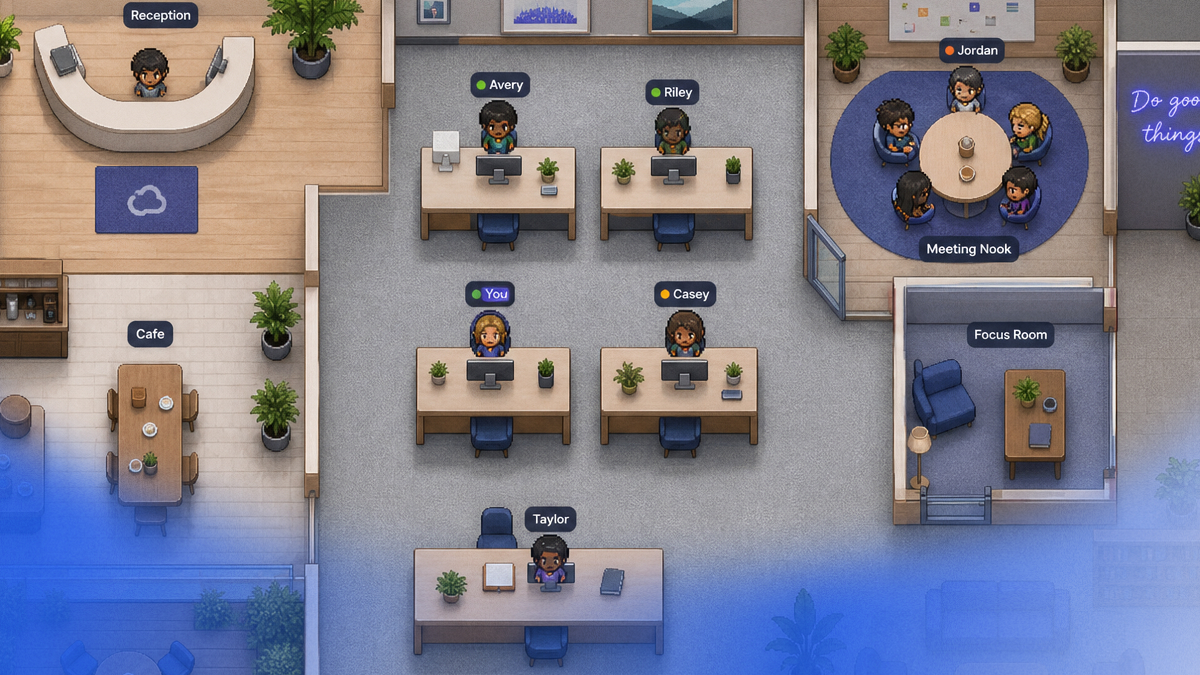
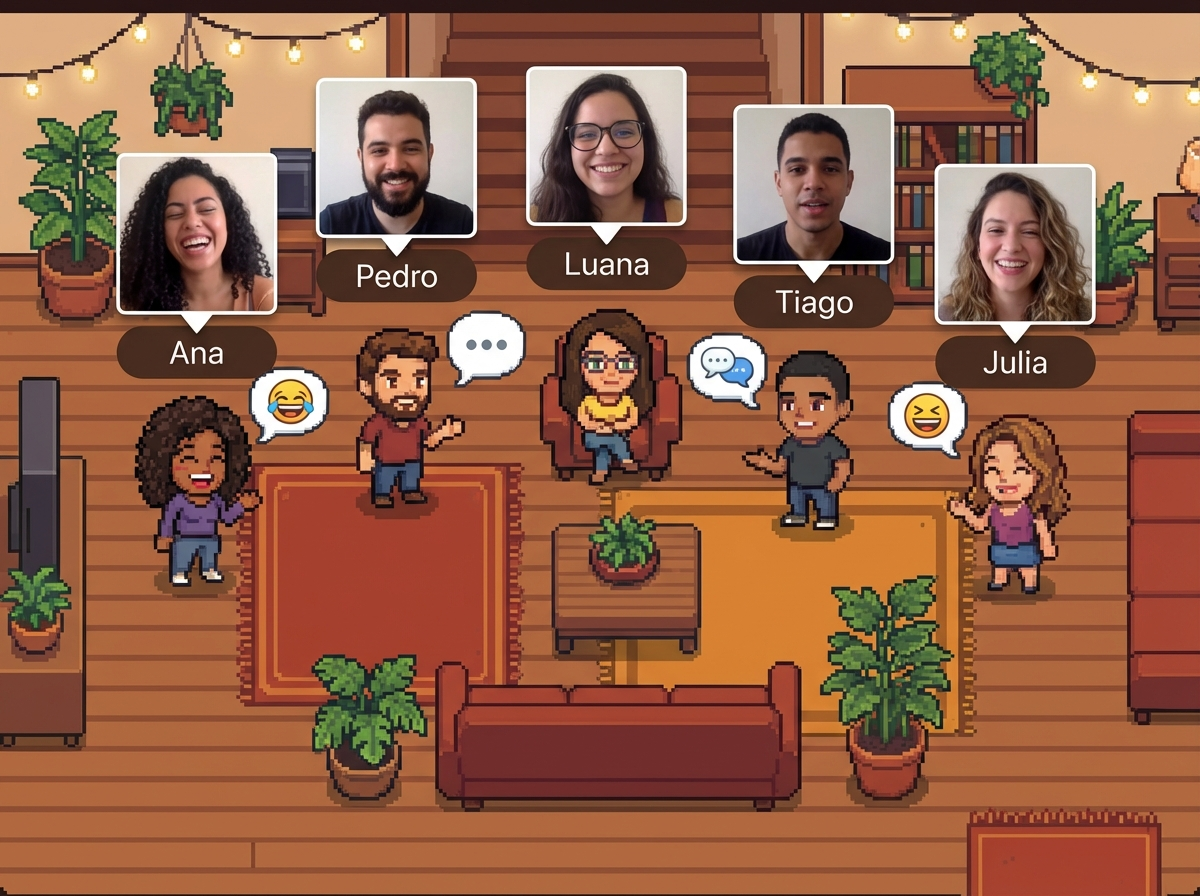
While document sharing handles the technical side of information exchange, platforms like Hurbly.ai address the human element of remote work. Hurbly.ai acts as a virtual office that displays the real-time status of every team member. Instead of guessing if a colleague is busy, users can see indicators showing if someone is focused, in a meeting, or available for a quick chat. This visibility complements document sharing by allowing a user to see a teammate is active and immediately initiate a conversation about a shared file without the friction of scheduling a formal video call.
The integration of presence indicators with document sharing workflows creates a more fluid office experience. For example, if a freelancer notices a manager is "available" on their dashboard, they can quickly send a link via their document sharing platform to get immediate feedback. This spontaneous interaction mimics the "tap on the shoulder" dynamic of a physical office. By reducing the reliance on long email chains and back-and-forth scheduling, teams use document sharing more effectively to move projects toward completion.
Key Features of Integrated Remote Workflows
A robust digital workspace in 2026 is defined by several core capabilities that streamline how data moves and how people interact. The following table outlines the essential components required for modern team synchronization:
| Feature | Function | Benefit |
|---|---|---|
| Real-time Presence | Displays live status (Focused, Available, Meeting) | Reduces interruptions and optimizes timing. |
| Document Sharing | Centralized file access and versioning | Ensures data consistency across the team. |
| Instant Interaction | One-click voice or text communication | Replaces slow, scheduled meetings. |
| Permission Control | Manages who can view or edit specific files | Enhances security during document sharing. |
Implementing a structured document sharing process involves more than just uploading files to a cloud. It requires a logical folder hierarchy and clear naming conventions so that any team member can find what they need instantly. When combined with the real-time awareness provided by Hurbly.ai, document sharing becomes a dynamic part of the workday rather than a static storage solution. This synergy is particularly vital for distributed teams operating across different time zones.
Steps to Optimize Your Team's Information Flow
To improve how your organization handles data and communication, follow these steps to refine your internal processes:
- Audit your current document sharing tools to ensure they support real-time co-authoring and secure external access.
- Establish clear protocols for file naming and storage locations to simplify the document sharing experience for new hires.
- Integrate a presence platform like Hurbly.ai to provide a visual map of your team’s current availability.
- Encourage "spontaneous syncs" where team members use their document sharing links to walk through updates live when both parties are shown as available.
- Review security settings regularly to ensure that document sharing permissions are updated as roles within the company change.
By following these steps, teams can bridge the gap between static data and active collaboration. The goal is to create an environment where document sharing is effortless and team members feel connected regardless of their physical location. As we move through 2026, the ability to combine efficient document sharing with transparent presence data will remain a competitive advantage for remote-first organizations.