Understanding and Resolving Echo in Speakers for Remote Teams
In this article

Understanding and Resolving Echo in Speakers for Remote Teams
Echo in speakers occurs when a microphone captures the audio coming out of a speaker and retransmits it back into a voice call. This phenomenon creates a feedback loop that disrupts communication, making it difficult for participants to focus on the conversation. In a professional environment, persistent echo in speakers can lead to fatigue and reduced productivity during collaborative sessions. Identifying the source of this reflection is the first step toward maintaining high-quality audio in digital workspaces.
The technical cause of echo in speakers is often related to the proximity of hardware components or incorrect software configurations. When sound waves travel from the output device to the input device, the slight delay in processing causes the person speaking to hear their own voice repeated. To minimize echo in speakers, users should ensure that their microphone is positioned away from the direct path of the audio output. Using directional microphones or integrated noise-cancellation software can also significantly reduce the occurrence of echo in speakers.
Technical Solutions to Prevent Audio Feedback
Managing audio levels is a practical way to stop echo in speakers from ruining a meeting. If the volume is set too high, the microphone is more likely to pick up the sound, triggering a loop. Lowering the output volume or adjusting the microphone sensitivity helps isolate human speech from background noise. Furthermore, checking for hardware defects is essential, as damaged cables or ports can sometimes introduce electrical interference that mimics the sound of echo in speakers.
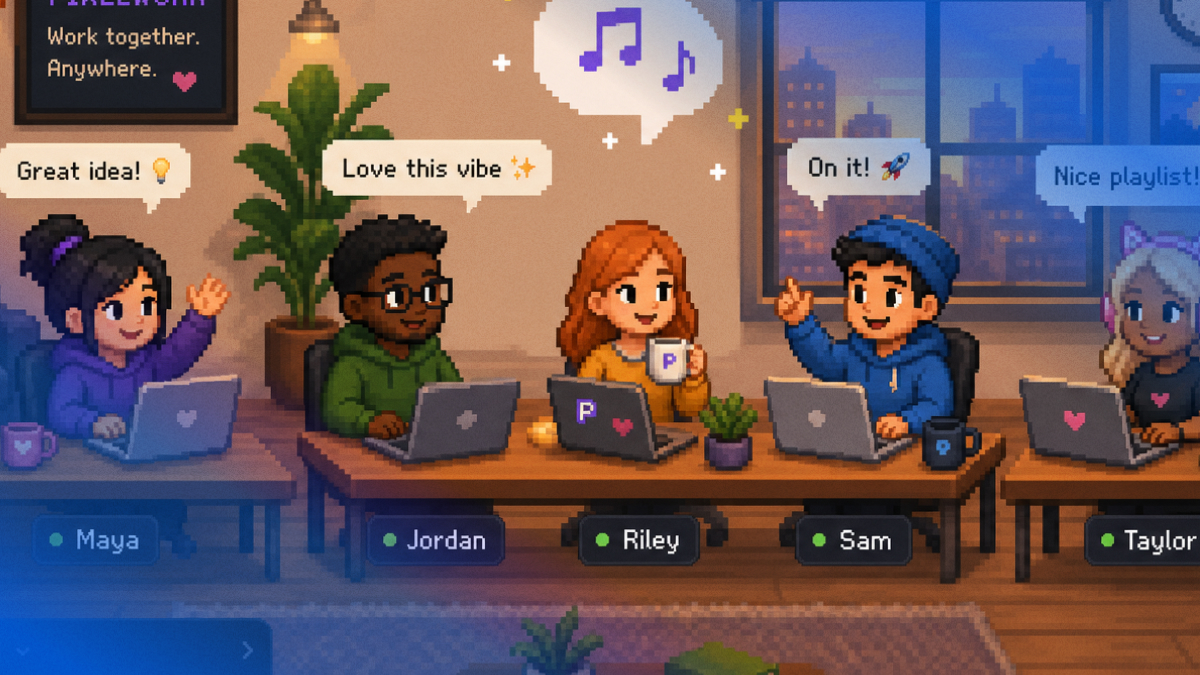
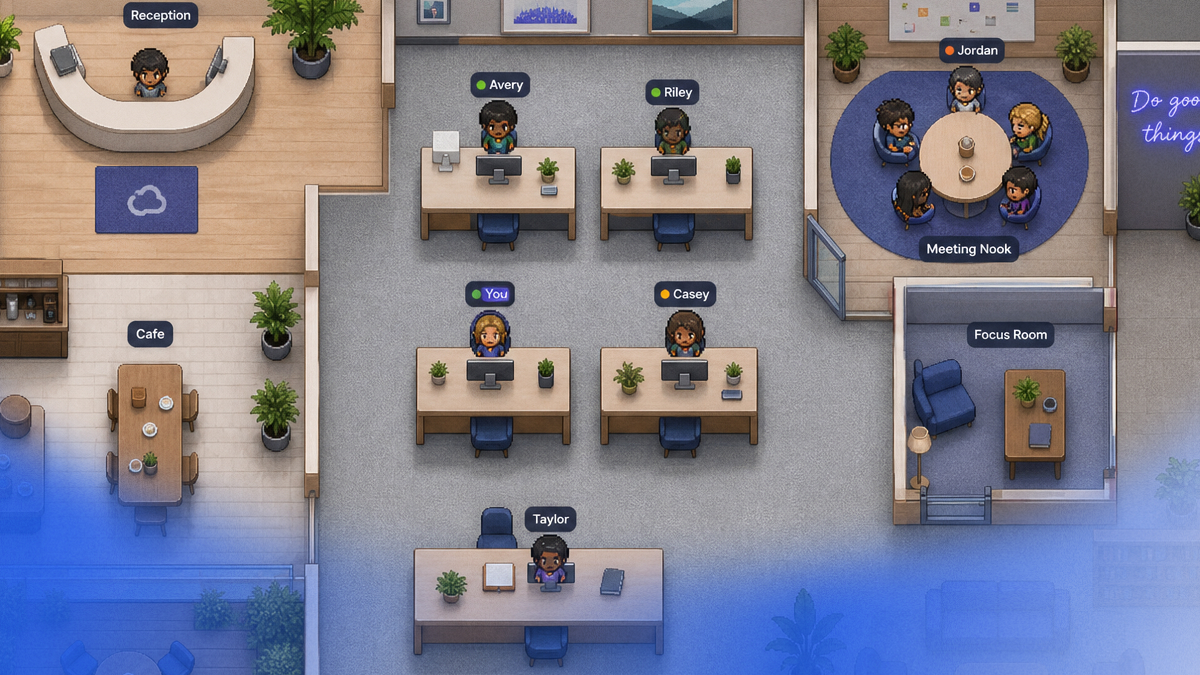
For teams using Hurbly.ai to maintain a virtual presence, clear audio is vital for spontaneous interactions. Since this platform allows for instant conversations without the friction of scheduled calls, preventing echo in speakers ensures that these quick check-ins remain efficient. If you encounter echo in speakers while using a virtual office, try the following steps:
- Mute your microphone when you are not actively speaking.
- Use a high-quality headset to physically separate the audio input and output.
- Enable "Acoustic Echo Cancellation" (AEC) in your operating system's sound settings.
- Check if multiple devices in the same room are connected to the same audio channel, which frequently causes echo in speakers.
Optimizing Virtual Environments for Clear Communication
The physical layout of a room also impacts the frequency of echo in speakers. Hard surfaces like glass walls or bare desks reflect sound waves, increasing the chances that a microphone will capture stray audio. Adding soft materials, such as rugs or acoustic panels, can dampen these reflections and lower the risk of echo in speakers. This is particularly important for remote workers who spend several hours a day in digital environments where audio clarity directly affects team cohesion.
| Feature | Impact on Audio | Recommendation to Avoid Echo |
|---|---|---|
| Microphone Sensitivity | High sensitivity picks up distant sounds | Keep sensitivity at a moderate level |
| Speaker Volume | Loud audio leaks into the microphone | Use lower volumes or headphones |
| Room Acoustics | Hard surfaces reflect sound waves | Use soft furnishings to absorb sound |
| Software Filters | Digital processing removes feedback | Always enable noise suppression |
When teams interact on Hurbly.ai, the goal is to replicate the fluid nature of a physical office. Persistent echo in speakers acts as a barrier to this experience, as it forces users to pause or repeat themselves. By addressing the root causes of echo in speakers, such as improper hardware placement or lack of software filtering, distributed teams can enjoy a more natural and productive workflow.
Best Practices for Remote Collaboration in 2026
As we move through 2026, the technology for remote work continues to evolve, yet the challenge of echo in speakers remains a common technical hurdle. Modern communication platforms often include built-in tools to detect and suppress feedback automatically. However, user awareness remains the most effective defense against echo in speakers. Regularly testing your audio setup before joining a focused work session can prevent interruptions before they start.
| Step | Action | Benefit |
|---|---|---|
| 1 | Connect a dedicated headset | Eliminates the primary cause of echo in speakers |
| 2 | Update audio drivers | Ensures compatibility with noise-canceling features |
| 3 | Test audio in a quiet space | Reduces background noise interference |
| 4 | Configure platform settings | Optimizes the software to handle echo in speakers |
The presence-based model of Hurbly.ai thrives on the ability to see who is available and start a conversation immediately. Ensuring that your setup is free from echo in speakers allows these spontaneous moments to feel as authentic as walking up to a colleague's desk. By following these technical guidelines and maintaining your equipment, you can eliminate echo in speakers and focus entirely on meaningful collaboration with your team.