Optimizing Remote Workflows with Real-Time Virtual Presence
In this article

Optimizing Remote Workflows with Real-Time Virtual Presence
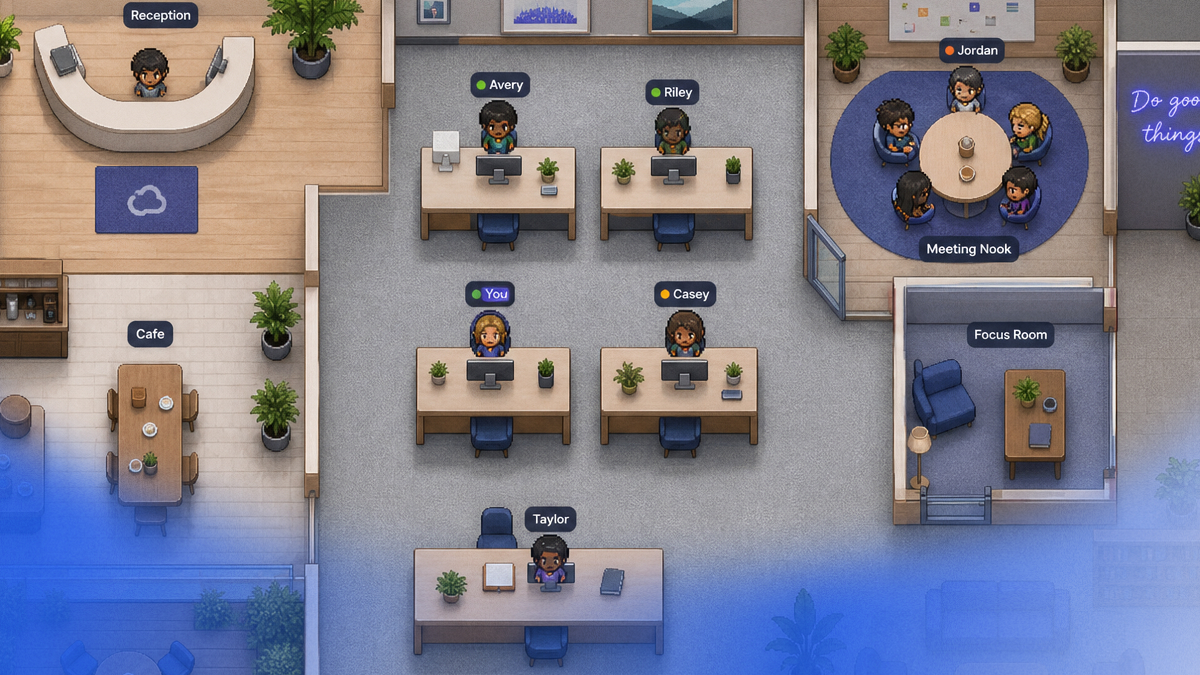
Virtual office environments are transforming how distributed teams manage their daily operations. By utilizing real-time status indicators, teams can achieve a higher level of operational Efficiency compared to traditional messaging apps. These platforms provide a visual map of who is currently available, who is deeply focused on a task, and who is participating in a meeting. This immediate visibility eliminates the guesswork often associated with remote communication, ensuring that interactions happen at the most appropriate times.
The core functionality of Hurbly.ai revolves around replicating the spontaneous nature of a physical workspace. In a traditional office, you can glance across the room to see if a colleague is free for a quick question. Digital presence tools bring this same Efficiency to the screen, allowing users to initiate instant conversations without the friction of scheduling formal video calls. This approach reduces the cognitive load on employees, as they no longer need to manage complex calendars for simple sync-ups.
Enhancing Team Coordination Through Visibility
Maintaining high Efficiency in a remote setting requires clear signals regarding availability. When team members can see each other's status in real-time, it creates a transparent environment where workflows move faster. For instance, a developer might see that a project manager is "Available" and jump into a quick audio chat to resolve a blocker immediately. This level of communication Efficiency prevents small issues from snowballing into day-long delays caused by waiting for asynchronous replies.
The platform supports various states of presence to protect deep work. By signaling a "Focused" state, a team member can prevent interruptions, thereby increasing their personal Efficiency during complex tasks. This balance between accessibility and privacy is crucial for modern organizations. The following table illustrates how different status indicators contribute to overall team performance:
| Status Indicator | Impact on Workflow | Benefit to the Team |
|---|---|---|
| Available | Encourages quick syncs | Increases communication Efficiency |
| Focused | Protects deep work periods | Boosts individual output quality |
| In a Meeting | Prevents accidental interruptions | Respects time and boundaries |
| Away | Signals temporary absence | Manages expectations for replies |
Reducing Communication Friction in Distributed Teams
One of the primary challenges for freelancers and distributed organizations is the "meeting fatigue" caused by over-scheduling. By using a virtual office, teams can regain significant Efficiency by replacing 30-minute calendar invites with 2-minute spontaneous conversations. This shift toward fluid collaboration allows for a more natural exchange of ideas, similar to "watercooler" moments in a physical building.
To implement this effectively, teams should follow a structured approach to digital presence:
- Synchronize Presence: Ensure all team members have the virtual office open during core working hours.
- Update Status Regularly: Use automated or manual triggers to reflect current availability accurately.
- Prioritize Instant Interaction: Use the "knock" or "join" features for quick questions instead of sending long emails.
- Analyze Patterns: Review team activity to identify peak times for collaboration and focus, further improving organizational Efficiency.
Technical Advantages of Real-Time Presence Platforms
From a technical perspective, these platforms rely on low-latency data streams to ensure that status updates are reflected instantly across the globe. This technical Efficiency is what makes the experience feel "live" rather than delayed. When a user changes their status in 2026, the rest of the team sees that change in milliseconds, regardless of their physical location or time zone.
By integrating these tools into the daily stack, companies can see a measurable rise in project Efficiency. The reduction in "ping-pong" messaging—where users wait hours for simple answers—allows for continuous progress on critical milestones. Hurbly.ai facilitates this by providing a centralized hub where the team's pulse is always visible, making it easier to manage resources and distribute tasks based on real-time availability.
Supporting Long-Term Remote Sustainability
Sustainability in remote work is closely tied to how well a team can communicate without burning out. Constant notifications and the pressure to be "always on" can hinder long-term Efficiency. Virtual offices solve this by providing a structured yet flexible environment where presence is communicative rather than intrusive. This clarity helps remote workers separate their active work time from their personal time, leading to better mental health and sustained professional Efficiency.
Furthermore, the data provided by these platforms helps managers understand team dynamics without resorting to invasive surveillance. By observing general presence trends, leadership can identify if a team is overwhelmed by meetings or if they have enough quiet time to maintain their technical Efficiency. This insight is vital for scaling distributed teams in a competitive global market, ensuring that collaboration remains a tool for progress rather than a source of distraction.