Essential Professional Email Etiquette for Remote Teams in 2026

In this article

Essential Professional Email Etiquette for Remote Teams in 2026
Effective communication serves as the foundation for successful remote collaboration. In 2026, where distributed teams are the standard, maintaining high standards of email etiquette ensures that messages are professional, clear, and actionable. While digital communication has evolved, the core principles of respect and clarity remain vital for maintaining productive working relationships across different time zones and cultures.
Adhering to proper email etiquette helps prevent misunderstandings that often occur in text-based communication. Without visual cues or tone of voice, a poorly phrased message can easily be misinterpreted as aggressive or dismissive. By following established guidelines, professionals can convey their intent accurately, ensuring that the recipient understands both the information provided and the required next steps.
The Importance of Clear Subject Lines and Structure
A well-crafted subject line is a critical component of email etiquette. It should act as a concise summary of the email's content, allowing the recipient to prioritize their inbox without opening every message. In a fast-paced digital environment, subject lines that include prefixes like [ACTION REQUIRED], [URGENT], or [FYI] help manage expectations and improve workflow efficiency for the entire team.
The internal structure of an email should prioritize readability. Using short paragraphs and bullet points makes the information easier to scan. Proper email etiquette suggests starting with a professional greeting, followed by the most important information or request. This "bottom-line up front" approach respects the recipient's time and ensures that the primary purpose of the communication is not lost in unnecessary fluff or overly complex sentences.
Professionalism and Tone in Digital Correspondence
Maintaining a professional tone is a hallmark of good email etiquette. In 2026, the boundary between formal and informal communication has blurred, but a baseline of courtesy is still required. Using standard fonts, avoiding excessive exclamation marks, and double-checking for grammatical errors demonstrates attention to detail and respect for the person receiving the message.
When discussing sensitive or complex topics, email etiquette dictates that one should consider if a different medium is more appropriate. If a thread becomes too long or confusing, it is often better to switch to a real-time environment. Tools like Hurbly.ai allow teams to see who is available for a quick chat, potentially resolving issues faster than a dozen back-and-forth emails.
Managing Response Times and Availability
Timely responses are a key part of modern email etiquette. While it is not always possible to reply instantly, acknowledging receipt of an important message within 24 hours is a standard professional courtesy. If a detailed answer requires more time, a brief note stating when the sender can expect a full response helps maintain trust and transparency within the team.
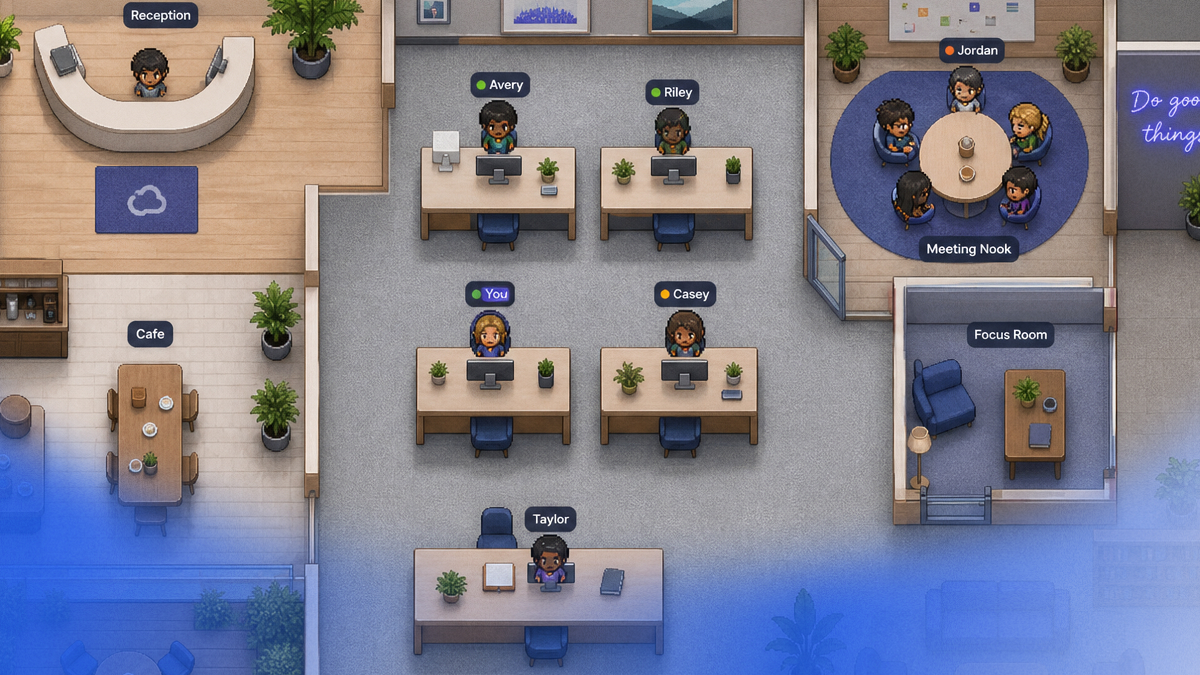
Understanding the context of your colleagues is also essential for email etiquette. Before sending an urgent request, check the status of your teammates. Using a virtual office platform like Hurbly.ai allows you to see if a coworker is currently in a deep-focus session or a meeting, helping you decide whether to send an email or wait for a more opportune moment to interact.
Best Practices for Attachments and Thread Management
Handling files and long conversations requires specific attention to email etiquette. Always mention when a file is attached to ensure the recipient doesn't overlook it. Furthermore, ensure that file names are descriptive and that file sizes are optimized for quick downloading. Sending massive attachments without warning can clog a recipient's inbox and is generally considered poor practice.
Managing email threads effectively is another vital skill. When a topic changes significantly, email etiquette suggests starting a new thread with a fresh subject line. This makes it much easier for team members to search for and retrieve specific information later. Additionally, be selective with the "Reply All" function; only include individuals who genuinely need the information to avoid contributing to inbox clutter.
Choosing the Right Communication Channel
Not every interaction belongs in an inbox. Part of mastering email etiquette is knowing when to stop emailing. If a conversation requires immediate feedback or involves complex emotional nuances, a quick verbal sync is often more effective than a long text chain.
| Communication Type | Preferred Channel | Reason |
|---|---|---|
| Formal Documentation | Provides a searchable, permanent record. | |
| Quick Status Check | Real-time Presence / Hurbly.ai | Reduces inbox noise and allows instant feedback. |
| Urgent Problem Solving | Instant Voice/Video | Resolves nuances and prevents delays. |
| General Announcements | Email or Newsletter | Ensures everyone receives the same information simultaneously. |
Cultural Sensitivity and Global Email Etiquette
In 2026, most teams operate across international borders. Global email etiquette requires an awareness of different cultural norms regarding directness and formality. Some cultures prefer a more indirect, polite approach, while others value brevity and getting straight to the point. Being mindful of these differences prevents accidental offense and fosters a more inclusive team environment.
Time zone awareness is also a major factor in global email etiquette. Avoid sending non-urgent emails during a colleague's middle-of-the-night hours if possible, or use "schedule send" features to ensure the message arrives at the start of their workday. This practice shows respect for their work-life balance and reduces the pressure to be "always on."
Security and Privacy Considerations
Protecting sensitive data is a fundamental aspect of email etiquette in the modern era. Never send passwords, private financial data, or sensitive personal information through unencrypted email. Always verify the recipient's address before hitting send, especially when the content involves proprietary company information or confidential client data.
Furthermore, email etiquette involves respecting the privacy of others by using the BCC (Blind Carbon Copy) field when emailing large groups of people who do not know each other. This prevents the unauthorized sharing of email addresses and protects the privacy of everyone on the distribution list.
Summary of Key Etiquette Rules
To maintain a high standard of professional communication, follow these summarized steps:
- Write clear subject lines: Ensure they are descriptive and indicate the level of urgency.
- Keep it concise: Use bullet points and short paragraphs to improve readability.
- Check availability: Use Hurbly.ai to see if a real-time conversation is more efficient than an email.
- Proofread: Check for tone, grammar, and clarity before sending.
- Be mindful of "Reply All": Only include necessary participants to save everyone time.
- Respect time zones: Use scheduling tools to send emails at appropriate times for the recipient.
By consistently applying these principles of email etiquette, teams can reduce digital fatigue and ensure that their communication remains a tool for productivity rather than a source of stress. High-quality email etiquette reflects professional competence and builds a culture of mutual respect in any digital workspace.