Managing Employee Absenteeism Through Real-Time Digital Presence

In this article

Managing Employee Absenteeism Through Real-Time Digital Presence
Employee absenteeism refers to the frequent absence of an employee from their work duties, excluding authorized leave or emergencies. In 2026, as remote and distributed work models dominate the global economy, tracking and managing these patterns has become more complex. Unlike physical offices where presence is visible, digital environments require specific tools to ensure teams remain synchronized and productive. High rates of employee absenteeism often signal deeper issues within a corporate culture, such as burnout, lack of engagement, or poor communication infrastructure.
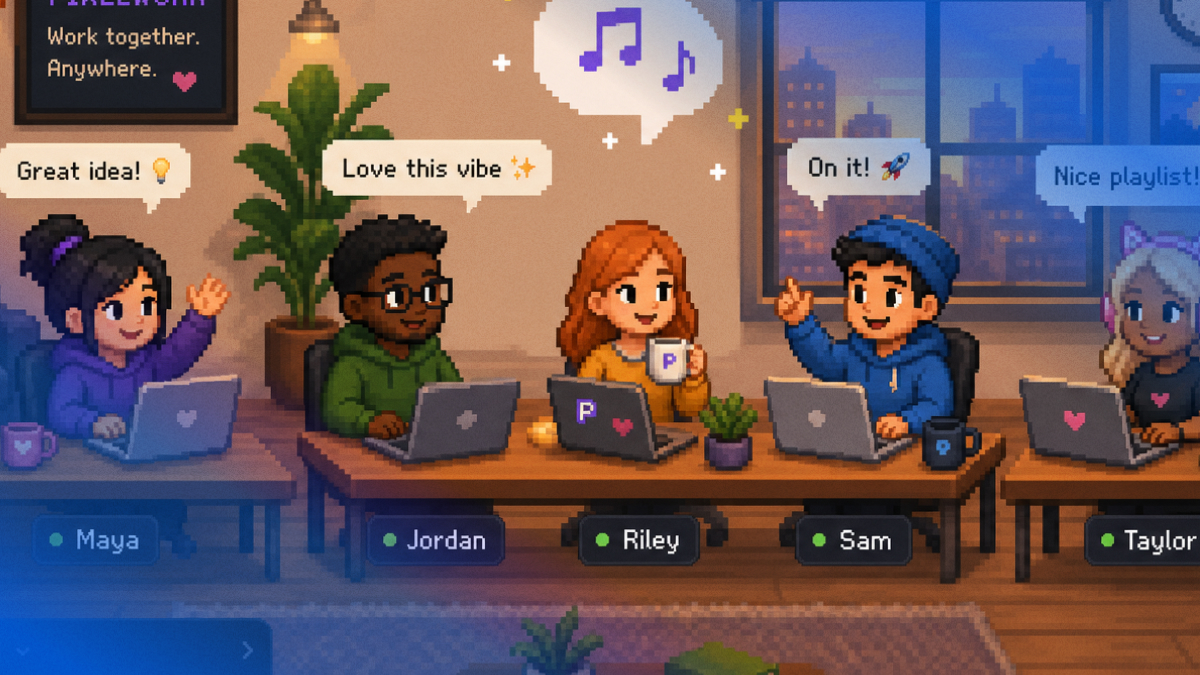
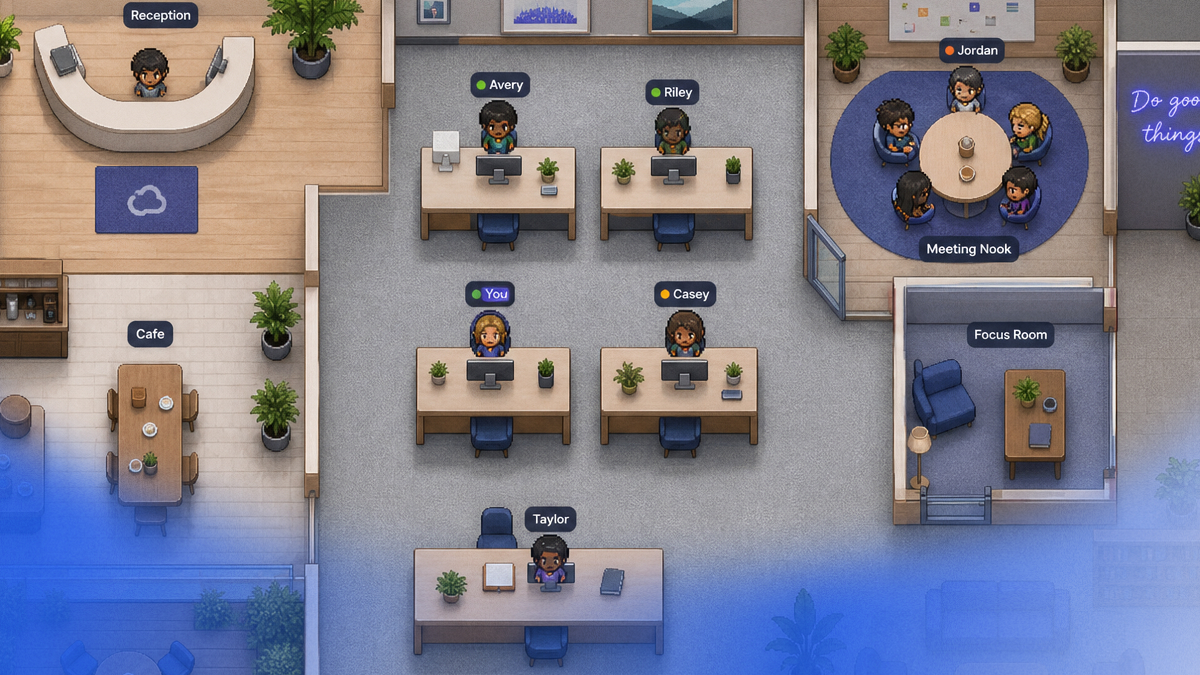
To address these challenges, organizations are moving away from rigid monitoring and toward transparency. By using platforms like Hurbly.ai, companies can create a virtual office environment that naturally discourages employee absenteeism by fostering a sense of belonging. When team members can see their colleagues' status in real-time—whether they are focused, in a meeting, or available for a chat—it creates a psychological connection that mirrors a physical workspace. This visibility helps managers identify early signs of employee absenteeism before they impact overall project timelines.
Identifying the Causes of Workplace Absence
Understanding why employee absenteeism occurs is the first step toward mitigation. Common causes include chronic stress, personal illness, and a lack of role clarity. In a remote setting, the feeling of isolation can exacerbate these factors, leading to a rise in employee absenteeism. When an employee feels disconnected from their peers, their motivation to log in and participate decreases. Therefore, maintaining a "human" element in digital interactions is vital for long-term retention and attendance.
The impact of employee absenteeism extends beyond the missing individual. It creates a ripple effect where:
- Workloads increase for the remaining team members, leading to further burnout.
- Project deadlines are missed due to unexpected gaps in the workflow.
- Team morale drops as the lack of consistency disrupts collaborative momentum.
- Operational costs rise as companies struggle to fill gaps or reschedule tasks.
By integrating a virtual presence platform, teams can reduce the friction that leads to employee absenteeism. Hurbly.ai allows users to see who is active, which encourages spontaneous interaction and reduces the digital "loneliness" that often precedes a spike in employee absenteeism.
Strategies to Reduce Absenteeism in Remote Teams
Effective management of employee absenteeism requires a proactive rather than reactive approach. Companies that successfully maintain high attendance rates in 2026 focus on three main pillars: communication, flexibility, and visibility. Instead of relying on intrusive surveillance, these organizations use presence indicators to understand team availability. This transparency ensures that everyone is accounted for without the need for constant, disruptive check-ins.
- Establish Clear Communication Channels: Use tools that allow for instant, informal conversations to replace long, scheduled video calls.
- Monitor Patterns, Not Just Hours: Look for recurring instances of employee absenteeism that might indicate a need for mental health support or workload adjustments.
- Promote a Virtual Office Culture: Use Hurbly.ai to visualize the team's presence, making it easier to see who is available for collaboration and who is currently away.
- Encourage Regular Breaks: Paradoxically, allowing for scheduled downtime can prevent the unscheduled employee absenteeism caused by exhaustion.
| Feature | Impact on Attendance | Benefit for Managers |
|---|---|---|
| Real-time Status | Reduces isolation | Identifies employee absenteeism early |
| Instant Chat | Improves engagement | Facilitates quick check-ins |
| Focus Mode | Prevents burnout | Respects deep work boundaries |
| Team Visibility | Builds accountability | Simplifies coordination |
The Role of Technology in Team Cohesion
Technology plays a dual role in the context of employee absenteeism. While poor tools can frustrate workers and lead to disengagement, the right platform acts as a bridge. A virtual office environment helps bridge the gap between physical distance and professional presence. When a team utilizes Hurbly.ai, the transparency of knowing who is "at their desk" creates a social contract that naturally reduces employee absenteeism.
Furthermore, data-driven insights from these platforms allow HR departments to analyze trends in employee absenteeism. If a specific department shows a higher rate of employee absenteeism, leadership can investigate whether the issue stems from management style, technical hurdles, or unrealistic expectations. In 2026, the goal is to use technology to support the human element of work, ensuring that every team member feels visible, valued, and connected to their daily responsibilities. This holistic approach is the most effective way to minimize employee absenteeism while maintaining a high-performing, distributed workforce.