Strategies for Improving Employee Morale in Remote Work Environments
In this article

Strategies for Improving Employee Morale in Remote Work Environments
Maintaining high employee morale is a fundamental challenge for distributed teams in 2026. When teams work across different time zones and locations, the lack of physical presence can lead to feelings of isolation. High employee morale is directly linked to productivity, retention, and the overall health of an organization. To sustain this, companies must implement systems that foster transparency and spontaneous communication, ensuring that every team member feels visible and valued within the digital workspace.
One effective way to boost employee morale is by reducing the friction associated with digital communication. Traditional tools often require scheduling meetings for simple questions, which can drain energy and lower employee morale over time. By utilizing platforms like Hurbly.ai, teams can see real-time availability, allowing for quick, informal interactions that mimic the natural flow of a physical office. This accessibility helps maintain steady employee morale by preventing the frustration of communication silos.
The Role of Real-Time Presence in Team Connection
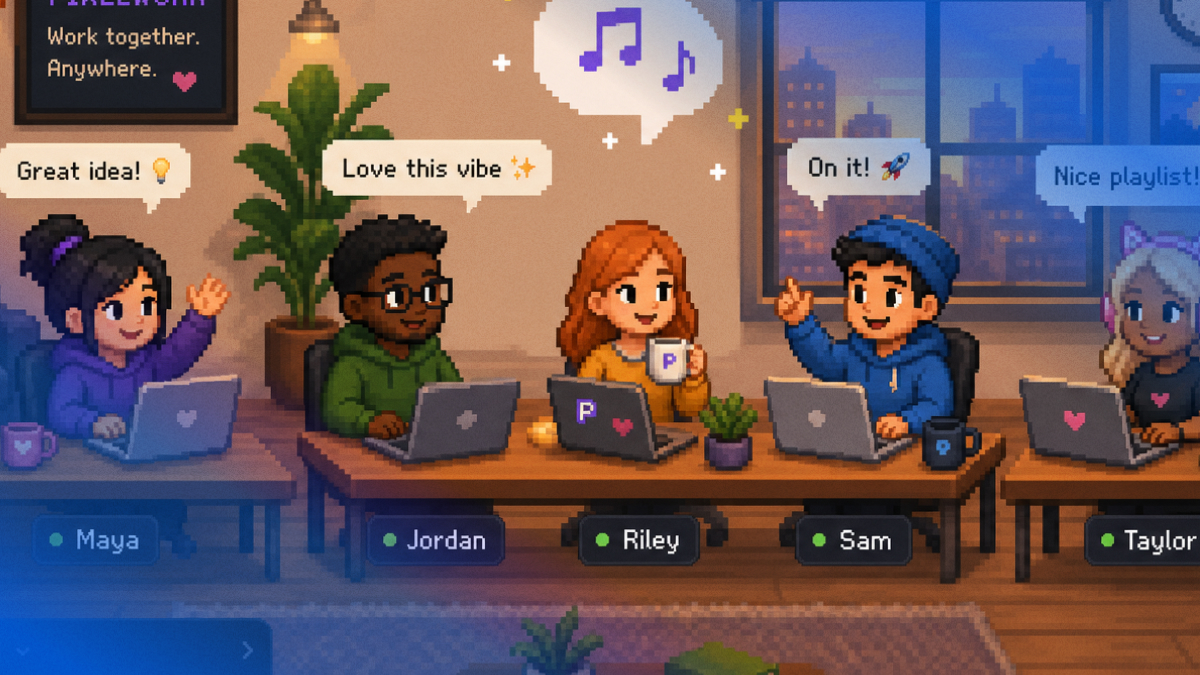
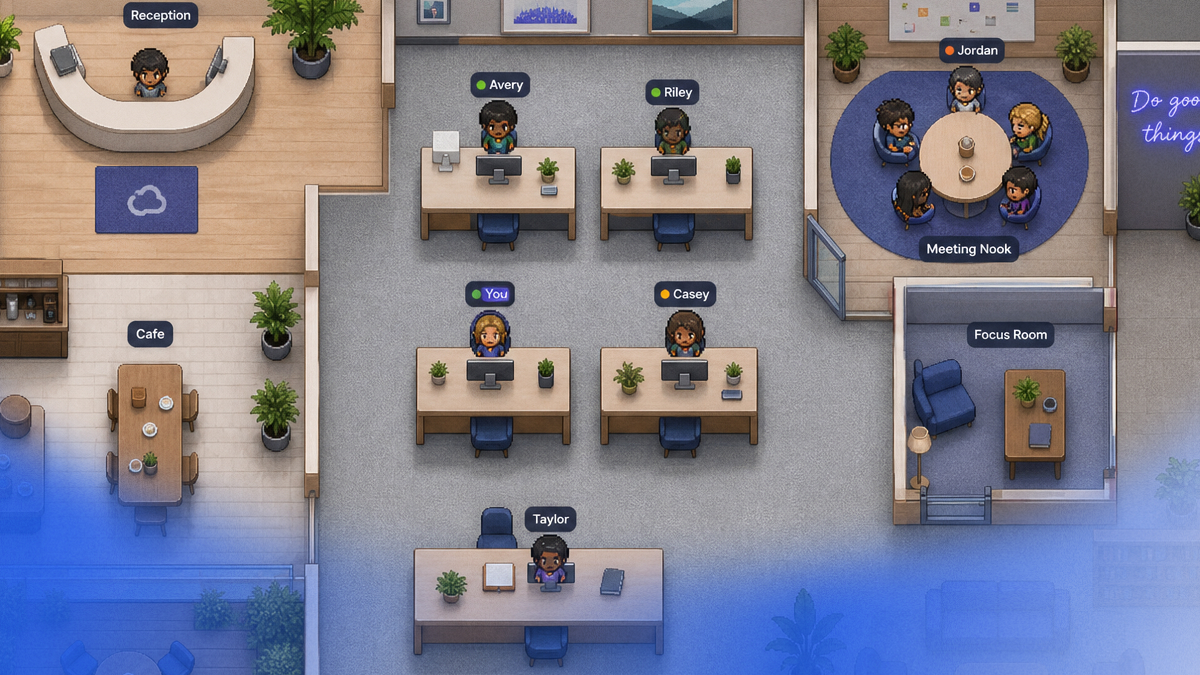
Real-time presence technology is a significant driver of employee morale because it eliminates the guesswork involved in remote collaboration. When employees can see who is focused, who is in a meeting, or who is available for a quick chat, they feel more connected to the collective effort. This visibility is essential for employee morale as it replaces the "black hole" effect of messaging apps with a clear, visual representation of the team's activity.
The psychological impact of seeing colleagues active in a virtual space cannot be overstated. High employee morale often stems from the feeling of belonging to a cohesive unit. Hurbly.ai facilitates this by displaying presence indicators that allow for instant conversations. This reduces the need for formal video calls, which are often cited as a primary cause of fatigue and declining employee morale in remote settings.
Practical Steps to Enhance Digital Workplace Culture
To improve employee morale, organizations should focus on three core pillars: transparency, spontaneity, and autonomy. A transparent environment where goals and availability are clear helps build trust. When trust is high, employee morale tends to follow. Providing tools that allow for spontaneous interaction helps recreate the "water cooler" moments that are vital for social bonding and sustained employee morale.
| Pillar | Impact on Employee Morale | Implementation Method |
|---|---|---|
| Transparency | Reduces anxiety and builds trust. | Use real-time status indicators and open calendars. |
| Spontaneity | Encourages social bonding and quick problem-solving. | Enable "walk-to-desk" digital features for instant audio. |
| Autonomy | Empowers workers and increases job satisfaction. | Allow flexible focus modes to protect deep work time. |
Implementing these pillars ensures that employee morale remains a priority rather than an afterthought. By integrating Hurbly.ai into daily workflows, managers can monitor the pulse of the team without micromanaging, which is a common deterrent to healthy employee morale.
Reducing Communication Friction to Support Workers
Communication friction occurs when the effort to reach a colleague outweighs the benefit of the interaction. This friction is a silent killer of employee morale. In a remote setup, if a worker has to check three different apps to see if a manager is free, they may choose to stay silent, leading to errors and lower employee morale. Streamlining this process into a single visual interface ensures that help is always accessible.
Furthermore, protecting "deep work" sessions is vital for employee morale. When employees are constantly interrupted by notifications, their sense of accomplishment drops. Platforms like Hurbly.ai allow users to signal when they are in a "focused" state, respecting their boundaries while keeping them visible. This balance between availability and privacy is a key component in maintaining long-term employee morale and preventing burnout in the modern workforce of 2026.
Building Long-Term Engagement Through Virtual Offices
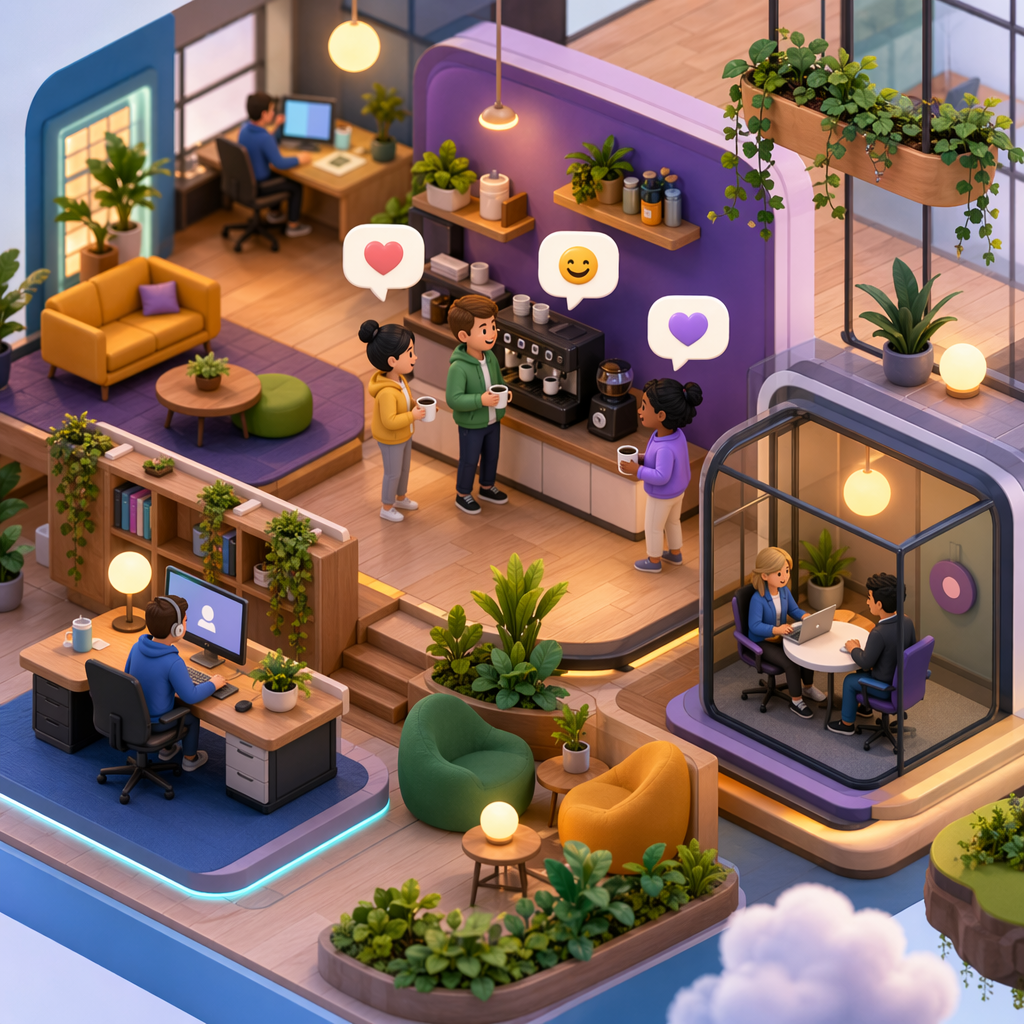
A virtual office serves as the digital headquarters where the company culture lives. For remote teams, this environment is the primary influencer of employee morale. Without a centralized digital space, the company culture can become fragmented. By using Hurbly.ai, organizations create a persistent sense of place that anchors the team, providing a stable foundation for employee morale to thrive regardless of physical distance.
- Establish a Visual Hub: Use a platform that shows the entire team in one view to reinforce a sense of unity.
- Encourage Informal Check-ins: Promote short, non-work-related chats to build the social capital necessary for high employee morale.
- Normalize Availability States: Make it standard practice to update statuses so colleagues know when it is appropriate to engage, which supports a respectful and high-morale atmosphere.
Ultimately, the goal of any team-presence platform is to make remote work feel less "remote." When the barriers to interaction are removed, employee morale increases, leading to a more resilient and innovative organization. Investing in the right tools today ensures that employee morale remains high as the nature of work continues to evolve.