Effective Strategies for Enhancing Employee Retention in Remote Work Environments

In this article

Effective Strategies for Enhancing Employee Retention in Remote Work Environments
Employee retention is a critical metric for organizational stability and long-term success in 2026. As distributed work models become the standard, companies must find ways to keep their talent engaged and connected. High turnover rates often stem from a lack of belonging and the friction of digital communication. By focusing on the human element of remote work, businesses can significantly improve their employee retention rates and maintain a high-performing workforce.
To achieve sustainable employee retention, leaders must move beyond traditional benefits and look at the daily experience of their staff. When employees feel isolated or struggle to communicate with their peers, job satisfaction drops. Implementing tools that foster transparency and spontaneous interaction is a practical way to boost employee retention. These tools help replicate the social cues of a physical office, making remote work feel less like a solitary task and more like a collaborative effort.
The Role of Real-Time Presence in Team Stability
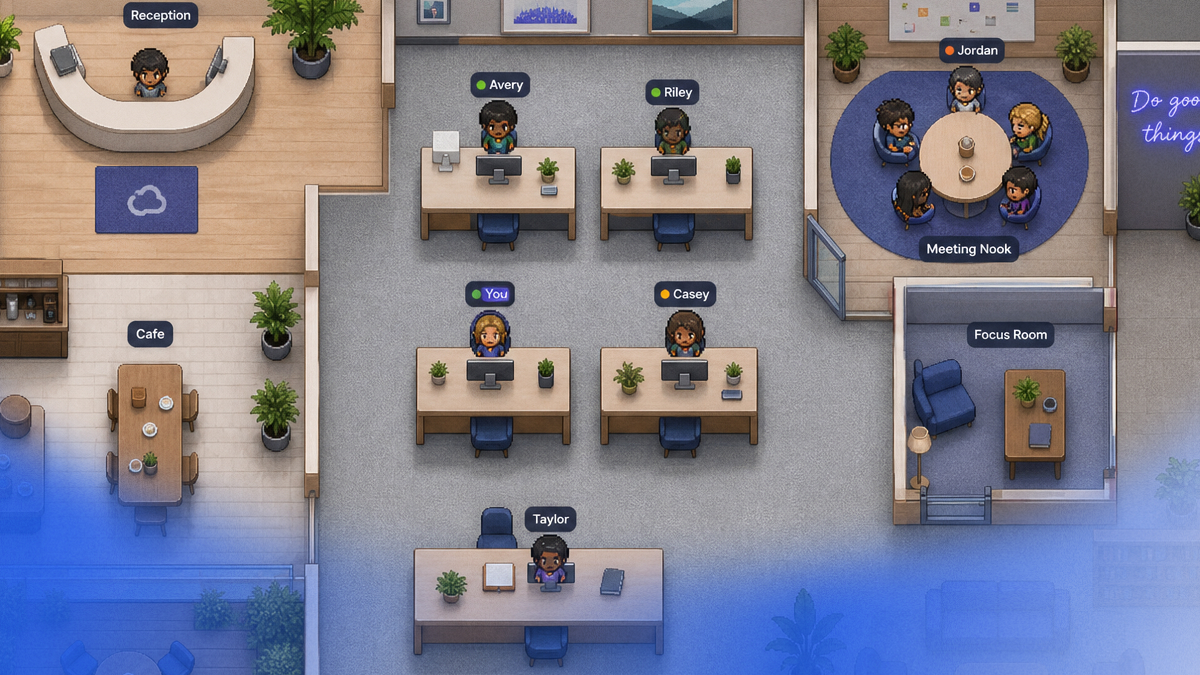
Modern digital environments often lack the visual context that naturally exists in a physical office. This gap can lead to misunderstandings and a sense of disconnection, which negatively impacts employee retention. Real-time presence technology addresses this by showing who is available, who is focused on deep work, and who is currently in a meeting. This visibility reduces the anxiety of "interrupting" colleagues and encourages more natural, fluid communication across different time zones.
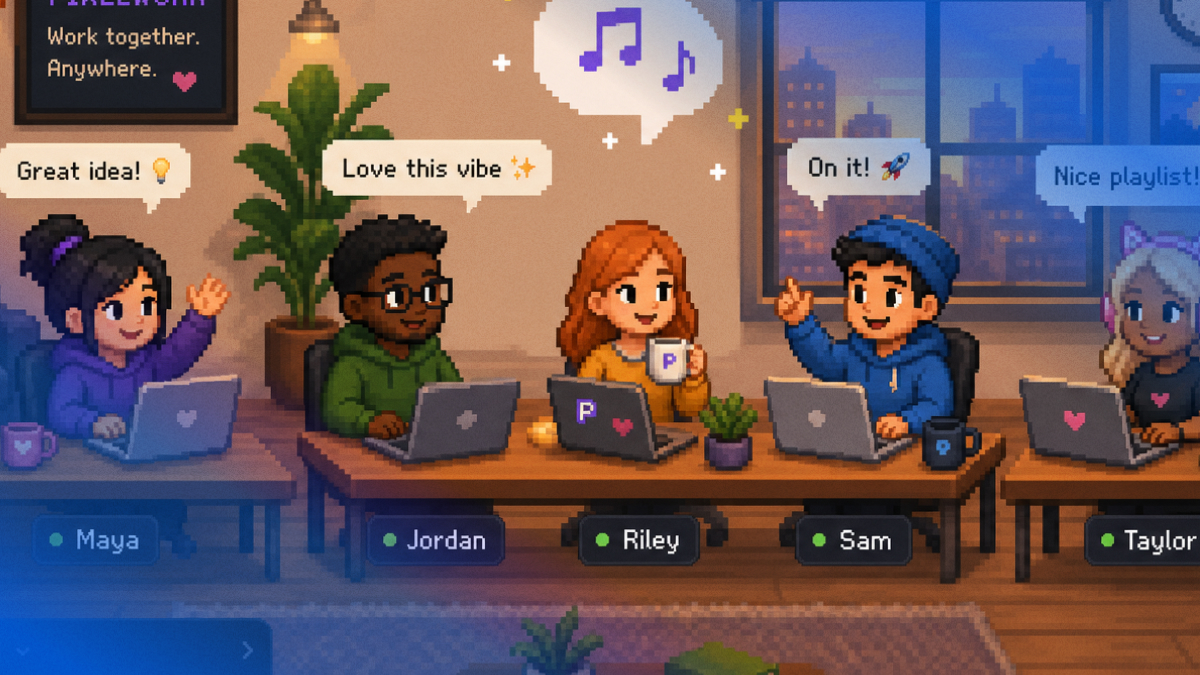
When teams use platforms like Hurbly.ai, they create a virtual office atmosphere that supports employee retention by making everyone feel seen and accessible. Instead of relying on rigid, scheduled video calls that can lead to meeting fatigue, team members can engage in quick, informal conversations. This organic interaction is vital for building trust and rapport, two foundational elements that drive long-term employee retention in distributed organizations.
Improving Workflows to Support Long-Term Commitment
Efficient workflows are directly linked to employee retention. When processes are cumbersome or communication is fragmented across too many channels, employees become frustrated and burnt out. Streamlining how a team interacts—moving away from constant pings and toward a structured yet flexible presence-based model—helps maintain a healthy work-life balance. This balance is a primary driver for employee retention in the current competitive job market.
A well-structured digital workspace provides the following benefits for team stability:
- Reduced Communication Friction: Instant access to colleagues without the need for calendar invites.
- Enhanced Transparency: Clear indicators of team availability prevent burnout and respect focus time.
- Increased Collaboration: Spontaneous ideation sessions occur more frequently when the "barrier to entry" for a conversation is low.
- Stronger Team Culture: Frequent, low-pressure interactions build the social bonds necessary for high employee retention.
Data-Driven Approaches to Employee Satisfaction
In 2026, successful managers use data to understand the factors influencing employee retention. By observing how teams interact and identifying patterns of isolation, leadership can intervene before a team member decides to leave. For example, if a department shows a significant decrease in spontaneous interactions, it may indicate a breakdown in culture. Addressing these issues early is essential for maintaining high employee retention levels.
| Strategy Component | Impact on Employee Retention | Implementation Method |
|---|---|---|
| Visual Presence | High | Use real-time status indicators to show availability. |
| Spontaneous Chat | Medium | Encourage "walk-up" conversations via virtual office tools. |
| Focus Time Protection | High | Set "do not disturb" statuses to prevent interruption during deep work. |
| Social Integration | Medium | Create digital spaces for non-work-related interactions. |
By prioritizing these components, organizations can create an environment where staff feel valued and integrated. Consistently monitoring these metrics allows for a proactive rather than reactive approach to employee retention.
Building a Sustainable Future for Distributed Teams
The long-term success of any remote company depends on its ability to foster a sense of community. Employee retention is not just about salary; it is about the quality of daily interactions and the ease with which work gets done. Utilizing a virtual office platform like Hurbly.ai allows teams to maintain the social fabric that is often lost when moving away from physical headquarters.
As we look toward the future of work, the organizations that lead in employee retention will be those that embrace technology to humanize the digital experience. By reducing the friction of coordination and promoting visibility, companies ensure that their remote workers remain engaged, productive, and committed to the organization's goals. Ultimately, a focus on seamless communication is the most effective way to guarantee high employee retention and a thriving corporate culture.