Comprehensive Guide to Efficient Employee Time Tracking in 2026

In this article

Comprehensive Guide to Efficient Employee Time Tracking in 2026
Effective employee time tracking is a fundamental component of modern workforce management, especially as distributed teams become the global standard. It involves the systematic recording of working hours, task durations, and project timelines to ensure operational efficiency. By implementing a structured approach to employee time tracking, organizations can gain precise insights into how labor resources are allocated across various departments. This data-to-insight pipeline is essential for maintaining profitability and ensuring that project deadlines are met without overextending the workforce.
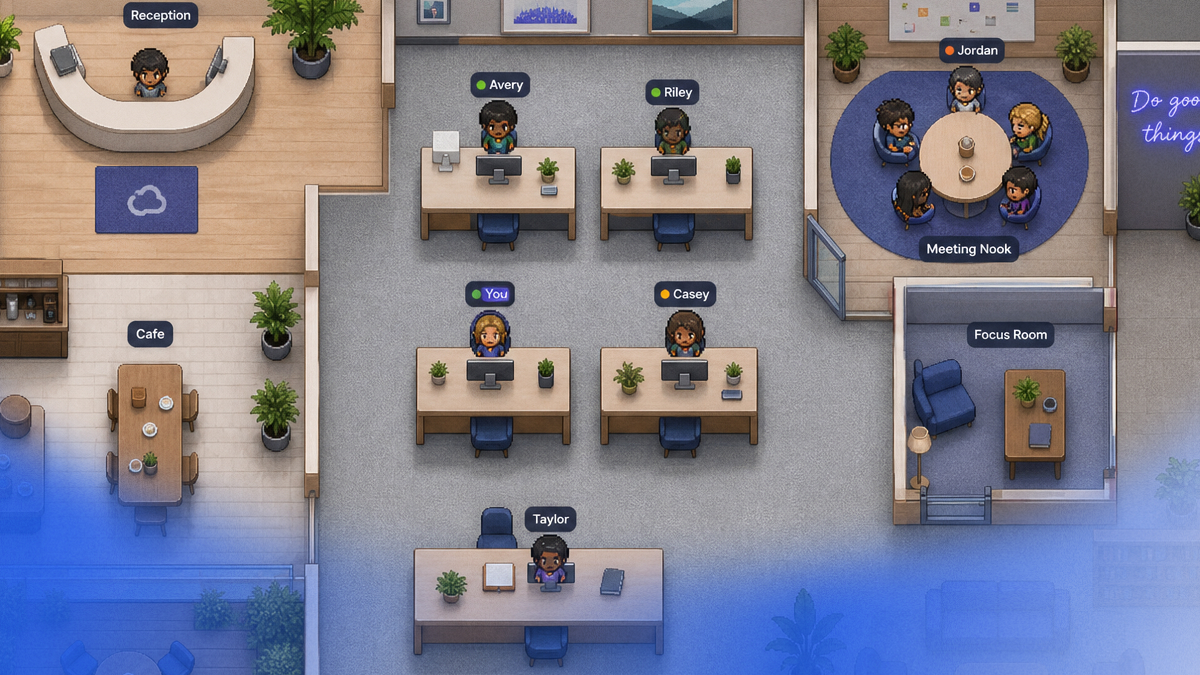
In 2026, the focus of employee time tracking has shifted from mere surveillance to high-level resource optimization. Modern systems allow managers to identify bottlenecks in real-time, facilitating immediate adjustments to workflows. When integrated with platforms like Hurbly.ai, which provides a virtual office environment for real-time presence, employee time tracking becomes even more effective. This combination ensures that while hours are logged, the human element of availability and spontaneous collaboration remains preserved, bridging the gap between raw data and team synergy.
How Modern Employee Time Tracking Systems Function
The technical process of employee time tracking typically begins with digital logs where staff members record their start and end times. Advanced systems automate this by monitoring active application usage or browser-based timers that sync directly with project management software. These tools categorize time spent on specific client deliverables, internal meetings, or administrative duties. By centralizing this information, companies can generate automated reports that reflect the true cost of labor for any given period or specific project.
To maximize the utility of employee time tracking, organizations often follow a standardized workflow:
- Initial Setup: Defining project categories and labor rates within the tracking software.
- Data Collection: Employees log hours via desktop apps, mobile interfaces, or integrated timers.
- Verification: Managers review logs to ensure accuracy and alignment with project goals.
- Analysis: Data is exported to calculate KPIs such as utilization rates and budget burn.
Integrating these steps with a virtual presence tool like Hurbly.ai helps contextualize the data. For instance, knowing that an employee is "Focused" in the virtual office provides context to the employee time tracking data being generated, indicating high-intensity work periods.
The Strategic Importance of Employee Time Tracking
Implementing employee time tracking is relevant for several critical reasons, primarily centered on financial transparency and workload balance. For service-based businesses, accurate logs are the only way to ensure clients are billed correctly for the work performed. Internally, employee time tracking prevents burnout by highlighting individuals who are consistently working beyond their capacity. It provides a factual basis for hiring decisions, as data might reveal that current staff levels are insufficient to handle the existing project load.
Furthermore, employee time tracking supports a culture of accountability and trust. When expectations are clear and time usage is transparent, there is less need for invasive micromanagement. Instead, managers can use the data to reward efficiency and provide support where tasks are taking longer than anticipated. Using Hurbly.ai alongside these tracking methods allows teams to maintain a "flow state" by showing others when a colleague is busy, thus reducing interruptions that typically skew employee time tracking results.
Comparing Manual and Automated Tracking Methods
Choosing the right method for employee time tracking depends on the size of the team and the complexity of the projects. While manual methods are simple, they are prone to human error and "forgetting" to log hours. Automated systems offer higher precision but require more initial configuration.
| Feature | Manual Spreadsheets | Automated Software |
|---|---|---|
| Accuracy | Low (subjective) | High (real-time) |
| Ease of Use | Simple but tedious | Requires setup but saves time daily |
| Reporting | Manual calculation required | Instant, visual dashboards |
| Integration | Limited | Connects with CRM and Payroll |
Regardless of the method chosen, the goal of employee time tracking remains the same: to create a clear map of organizational effort. By utilizing Hurbly.ai, teams can see who is currently active, which complements the historical data collected through employee time tracking. This real-time visibility ensures that the data reflects actual productive work rather than just "time spent at a desk."
Best Practices for Implementing Employee Time Tracking
To successfully introduce employee time tracking without damaging team morale, transparency is key. Leadership must communicate that the primary goal is resource planning and project accuracy, not individual surveillance. It is helpful to provide training on how to use the tools effectively and to set clear guidelines on what constitutes "billable" vs. "non-billable" hours. Consistency across the organization ensures that the data collected is comparable and useful for long-term forecasting.
Another best practice is to review employee time tracking data regularly—weekly or bi-weekly—to catch discrepancies early. This proactive approach allows for budget adjustments before a project goes over-cost. When combined with the spontaneous interaction capabilities of Hurbly.ai, managers can quickly jump into a brief conversation to resolve issues identified in the time logs. This synergy between employee time tracking and real-time presence creates a highly responsive and efficient remote work environment.