Strategies to Reduce Excessive Meetings and Improve Remote Team Presence
In this article

Strategies to Reduce Excessive Meetings and Improve Remote Team Presence
The modern workplace in 2026 faces a significant challenge: the proliferation of scheduled video calls that drain employee energy and reduce deep work time. When teams suffer from excessive meetings, productivity drops because the workday is fragmented into small, unusable chunks. Understanding the root causes of these interruptions is the first step toward reclaiming a team's schedule and fostering a more organic flow of communication.
The primary driver of excessive meetings is often a lack of visibility. When managers and colleagues cannot see if someone is busy or available, they default to sending a calendar invite to ensure they get the attention they need. This "calendar-first" culture creates a cycle where people spend more time talking about work than actually executing tasks. By identifying which interactions require a formal session and which can be handled through presence-based communication, organizations can significantly mitigate the impact of excessive meetings.
The Impact of Excessive Meetings on Remote Productivity
Excessive meetings do more than just take up time; they create a psychological burden known as "meeting fatigue." In a remote setting, the constant pressure to be "on camera" leads to higher stress levels and decreased engagement. When workers are trapped in excessive meetings, they often have to extend their working hours into the evening to complete their actual core responsibilities, leading to burnout and high turnover rates.
From a technical standpoint, excessive meetings disrupt the "flow state"—the period of deep concentration required for complex problem-solving. Research shows it can take up to 23 minutes to refocus after a distraction. Therefore, a schedule filled with excessive meetings ensures that employees never reach their full cognitive potential. Transitioning to a model that prioritizes asynchronous communication and real-time presence indicators can break this cycle.
Using Real-Time Presence to Replace Scheduled Calls
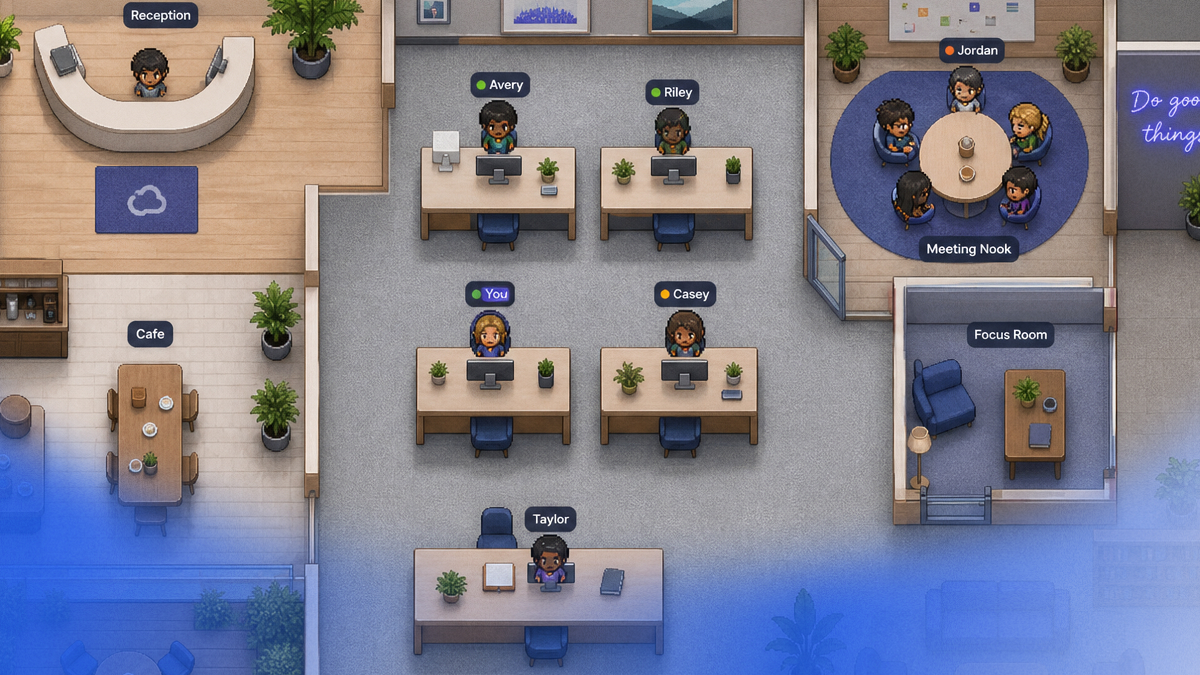
One of the most effective ways to combat excessive meetings is to adopt a virtual office environment. Platforms like Hurbly.ai provide a digital space where team members can see each other's status in real-time. Instead of scheduling a 30-minute call for a two-minute question, a user can see if a colleague is "available" and initiate a quick, spontaneous interaction. This mimics the natural "desk-side" chat of a physical office and prevents the accumulation of excessive meetings.
By using presence indicators, teams can distinguish between different states of work:
- Focused: The user is in deep work mode and should not be interrupted.
- Available: The user is open to quick questions or casual synchronization.
- In a Meeting: The user is already occupied, preventing double-booking or unnecessary pings.
This transparency reduces the anxiety of "not knowing" what others are doing, which is a major contributor to the urge to schedule excessive meetings. When availability is visible, trust increases and the need for constant formal check-ins decreases.
Comparison of Communication Methods in 2026
To understand how to optimize your workflow, it is helpful to compare traditional communication methods with presence-based interactions. The goal is to move away from the rigid structure that leads to excessive meetings and toward a more fluid, efficient model.
| Communication Type | Speed | Context | Risk of Excessive Meetings |
|---|---|---|---|
| Scheduled Video Call | Low | High | Very High |
| Very Low | High | Low | |
| Instant Messaging | Medium | Low | Medium |
| Presence-Based Chat | High | High | Low |
As shown in the table, presence-based interactions via Hurbly.ai offer high speed and context without the high risk of excessive meetings. This allows for rapid decision-making while keeping calendars clear for focused execution.
Steps to Audit and Eliminate Unnecessary Sessions
Reducing the frequency of excessive meetings requires a deliberate audit of current organizational habits. Teams should evaluate every recurring invite and determine if the information could be shared through a status update or a quick presence-based conversation. If a meeting does not have a clear agenda or a required decision, it likely contributes to the problem of excessive meetings.
- Identify the Goal: Before sending an invite, ask if the objective is to inform, consult, or decide.
- Check Presence First: Use a platform like Hurbly.ai to see if the person is free for a 5-minute chat now, rather than scheduling 30 minutes for next Tuesday.
- Implement "No-Meeting" Days: Dedicate specific days to deep work where excessive meetings are strictly prohibited.
- Shorten Default Durations: Change default meeting lengths from 60 minutes to 15 or 20 minutes to discourage filler conversation.
By following these steps, companies can transform their culture from one of constant interruption to one of high-performance output.
Why Spontaneous Collaboration is Superior to Scheduled Syncs
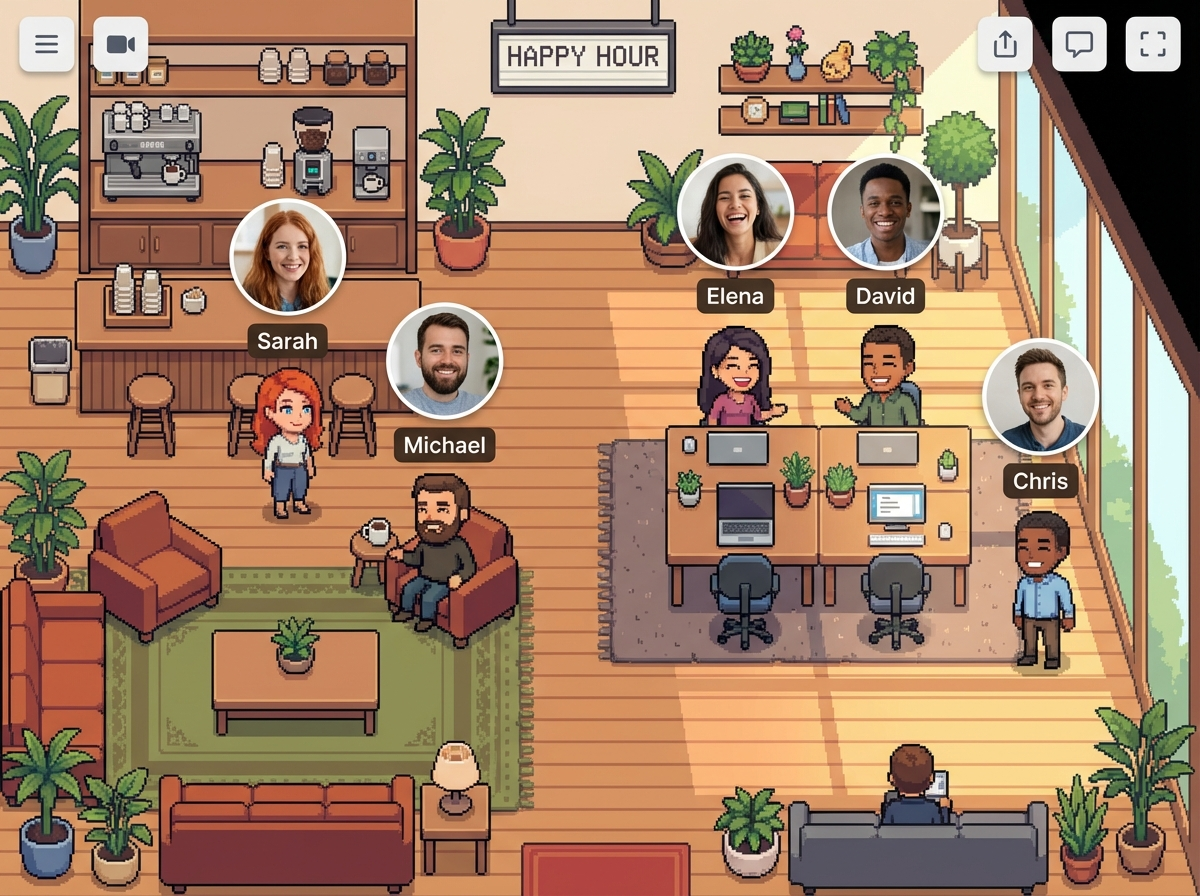
Spontaneous collaboration is the antidote to excessive meetings. In a physical office, innovation often happens in the hallways or the breakroom. In the digital world, these "serendipitous encounters" are lost when everything is locked behind a calendar link. Excessive meetings attempt to manufacture this collaboration but often feel forced and unproductive.
By utilizing Hurbly.ai, remote teams can reclaim these spontaneous moments. When you see a coworker is available, you can jump into a quick audio or video sync that lasts only as long as necessary. This prevents the "calendar bloat" that results in excessive meetings. Furthermore, spontaneous interactions tend to be more focused on the immediate problem at hand, leading to faster resolutions and a more connected team dynamic.
Conclusion: Building a Sustainable Remote Culture
Eliminating excessive meetings is not about communicating less; it is about communicating better. As we progress through 2026, the most successful remote and distributed teams will be those that prioritize presence and transparency over rigid scheduling. Reducing excessive meetings allows employees to regain control over their time, leading to higher job satisfaction and better business outcomes.
Integrating tools like Hurbly.ai into the daily workflow provides the visibility needed to support this shift. When everyone knows who is focused and who is available, the need for excessive meetings naturally diminishes. The result is a more agile, responsive, and healthy organization where work happens efficiently and collaboration occurs naturally.