Real-Time Presence and Communication in Digital Workspaces

In this article

Real-Time Presence and Communication in Digital Workspaces
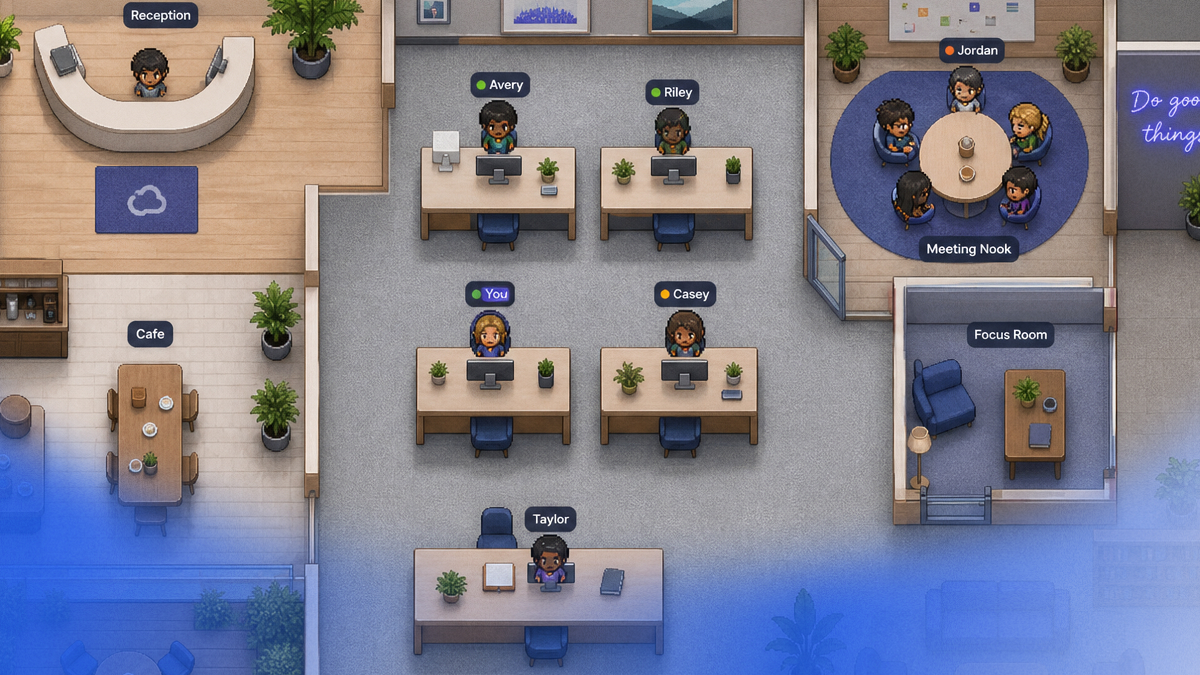
The modern professional landscape in 2026 relies heavily on distributed teams and remote collaboration. To maintain productivity, many organizations utilize free online group chat rooms to facilitate quick exchanges and project updates. However, text-based communication often lacks the nuance of physical presence. This is where real-time visibility platforms become essential, bridging the gap between isolated home offices and the collaborative energy of a shared physical space. By using digital indicators, teams can see who is currently active, who is deeply focused on a task, and who is participating in a meeting.
The primary goal of these digital environments is to reduce the friction associated with starting a conversation. In a traditional office, you can see if a colleague is at their desk before approaching them. In a remote setting, free online group chat rooms often serve as the primary hub, but they don't always convey availability. Modern solutions like Hurbly.ai replicate this physical awareness by providing a visual map of the team's status. This transparency ensures that employees do not interrupt focused work while still allowing for the spontaneous interactions that drive creative problem-solving.
How Virtual Presence Enhances Remote Collaboration
Virtual office platforms function by integrating real-time technology into the daily workflow. Unlike static free online group chat rooms, these platforms offer dynamic status updates that change based on user activity or manual selection. When a team member enters a "focus mode," their status reflects this to the entire group, signaling that non-urgent inquiries should be held. Conversely, when someone is "available," it encourages peers to reach out for quick syncs or casual brainstorming sessions, much like walking over to a coworker's desk.
The relevance of this technology lies in its ability to prevent "meeting fatigue." Instead of scheduling a 30-minute video call for a two-minute question, users can check the availability of their peers and initiate instant audio or video snippets. While free online group chat rooms are excellent for logging history and sharing files, real-time presence tools provide the social context needed for fluid teamwork. This combination allows freelancers and large organizations alike to maintain a high level of transparency without the overhead of constant administrative coordination.
Comparing Communication Methods for Distributed Teams
| Feature | Free Online Group Chat Rooms | Virtual Office Platforms |
|---|---|---|
| Primary Use | Asynchronous messaging and file sharing | Real-time presence and spontaneous interaction |
| Visibility | Limited to "online/offline" status | Detailed status (Focused, In Meeting, Available) |
| Interaction | Usually requires typing and waiting | Instant voice or video with visual cues |
| Context | Conversation history is the main focus | Current team availability is the main focus |
Choosing the right tool depends on the specific needs of the project. Many teams find that free online group chat rooms work best for long-term documentation and non-urgent requests. For active collaboration, however, seeing a live representation of the team helps reduce the feeling of isolation. By integrating tools like Hurbly.ai, remote workers can feel more connected to their peers, as the platform visualizes the collective effort of the team in a single digital interface.
Benefits of Spontaneous Interaction in Digital Environments
One of the greatest challenges of remote work is the loss of "watercooler moments"—those unplanned conversations that often lead to innovative ideas. While free online group chat rooms can host social channels, they are often too structured for truly spontaneous engagement. A virtual office environment encourages these interactions by showing who is "hanging out" in common digital areas. This accessibility fosters a sense of belonging and helps build stronger professional relationships across different time zones.
Furthermore, these platforms help in managing energy levels throughout the workday. When employees see their colleagues taking breaks or moving between different "rooms," it normalizes the ebb and flow of a typical workday. Using free online group chat rooms alongside presence indicators creates a comprehensive communication ecosystem. This setup ensures that information is accessible via chat history while the human element of the office is preserved through real-time visibility and instant accessibility.
Implementing Presence Tools for Maximum Efficiency
- Define clear status protocols so the team knows what "Focus Mode" or "Available" means in your specific context.
- Integrate your free online group chat rooms with your presence platform to ensure information flows seamlessly between the two.
- Encourage "open door" periods where team members are encouraged to drop in for quick, unscheduled chats.
- Use visual indicators to signal when a team member is in a high-priority meeting to avoid unnecessary notifications.
- Review team engagement patterns to identify the best times for synchronous collaboration versus deep work.
By following these steps, organizations can optimize their use of free online group chat rooms and presence technology. The result is a more agile team that can pivot quickly without being bogged down by a calendar full of unnecessary meetings. Platforms like Hurbly.ai provide the necessary infrastructure to make this transition smooth, ensuring that every team member, regardless of their physical location, feels like an active part of the office environment.
Why Real-Time Visibility Matters in 2026
As we move further into 2026, the distinction between "working from home" and "working together" continues to blur. While free online group chat rooms remain a staple of the digital toolkit, they are no longer sufficient on their own for high-performing teams. Real-time visibility provides the psychological safety of knowing help is available when needed. It removes the guesswork from remote communication, allowing users to interact with confidence.
The ability to see coworkers' current status in a digital space reduces the anxiety of "pinging" someone who might be busy. Instead of sending a message into the void of free online group chat rooms, you can see exactly when a colleague becomes free. This immediacy speeds up decision-making processes and keeps projects moving forward. For teams that value efficiency and a strong culture, combining the utility of free online group chat rooms with the presence-driven approach of Hurbly.ai is the most effective way to operate in a modern, distributed world.
Future Trends in Team Presence and Communication
The evolution of digital workspaces is moving toward even more immersive and intuitive interfaces. We are seeing a shift where free online group chat rooms are becoming more integrated into visual maps of the office. This allows for a more spatial understanding of where work is happening. When you can see a group of people gathered in a virtual "conference room" on your screen, you understand the context of their unavailability without needing to ask.
In the coming years, the reliance on free online group chat rooms for every minor interaction will likely decrease in favor of these more direct, presence-based methods. The focus is shifting from "tracking hours" to "facilitating presence." Tools like Hurbly.ai are at the forefront of this change, helping teams maintain their momentum and social bonds. By prioritizing real-time awareness, companies can ensure that their remote culture is just as vibrant and productive as any physical office, making free online group chat rooms even more effective as a supporting tool for documentation and structured updates.