Understanding the Core Functions and Benefits of Generative AI in Remote Workspaces
In this article

Understanding the Core Functions and Benefits of Generative AI in Remote Workspaces
The integration of Generative AI into modern digital environments has transformed how distributed teams interact and manage their daily workflows. By leveraging advanced algorithms, Generative AI assists in automating repetitive tasks, synthesizing complex data, and creating content that reflects human-like reasoning. In the context of remote collaboration, this technology provides a foundation for smarter communication tools that understand user intent and context. Platforms like Hurbly.ai utilize real-time presence technology to bridge the gap between physical and digital offices, ensuring that the human element remains central while Generative AI handles the backend complexities of data organization.
In 2026, the relevance of Generative AI lies in its ability to reduce cognitive load for employees. Instead of manually tracking project updates or availability, systems powered by Generative AI can analyze patterns to suggest the best times for collaboration. This ensures that team members can focus on high-value creative work while the underlying infrastructure manages the logistics of digital presence. The goal is to create a seamless flow of information where the technology anticipates needs rather than just reacting to commands.
How Generative AI Enhances Real-Time Team Presence
Real-time presence platforms function by monitoring active status, focus modes, and meeting schedules to provide a visual map of a team's availability. When Generative AI is applied to these systems, it can offer deeper insights into team dynamics. For example, it can identify periods of high productivity across the organization and suggest "quiet hours" to protect deep work. By interpreting signals from various digital touchpoints, Generative AI helps maintain a transparent environment where everyone knows who is available for a quick chat without the friction of scheduling a formal call.
The mechanism behind this involves several layers of data processing:
- Data Collection: Gathering signals from calendar events, keyboard activity, and manual status updates.
- Pattern Recognition: Using Generative AI to identify recurring habits and availability windows.
- Visual Representation: Displaying this information on a virtual office dashboard, such as the one provided by Hurbly.ai, to facilitate spontaneous interaction.
- Contextual Assistance: Providing summaries of missed interactions or suggesting follow-ups based on previous conversations.
Improving Distributed Team Collaboration with Generative AI
The primary challenge for remote teams is the lack of "watercooler moments" or spontaneous desk-side chats. Generative AI addresses this by facilitating more natural, informal engagements. By analyzing the current workload and availability of peers, Generative AI can prompt users to connect at optimal times, mimicking the natural flow of a physical office. This reduces the reliance on long, often unnecessary video conferences and shifts the focus toward quick, effective communication.
| Feature | Impact of Generative AI | Benefit for Remote Teams |
|---|---|---|
| Availability Tracking | Predictive analysis of schedules | Reduces interruptions during deep work |
| Communication | Automated summaries of quick chats | Ensures no information is lost in informal talks |
| Meeting Management | Intelligent scheduling suggestions | Minimizes time spent on administrative coordination |
| Team Transparency | Real-time status interpretation | Builds trust and visibility across time zones |
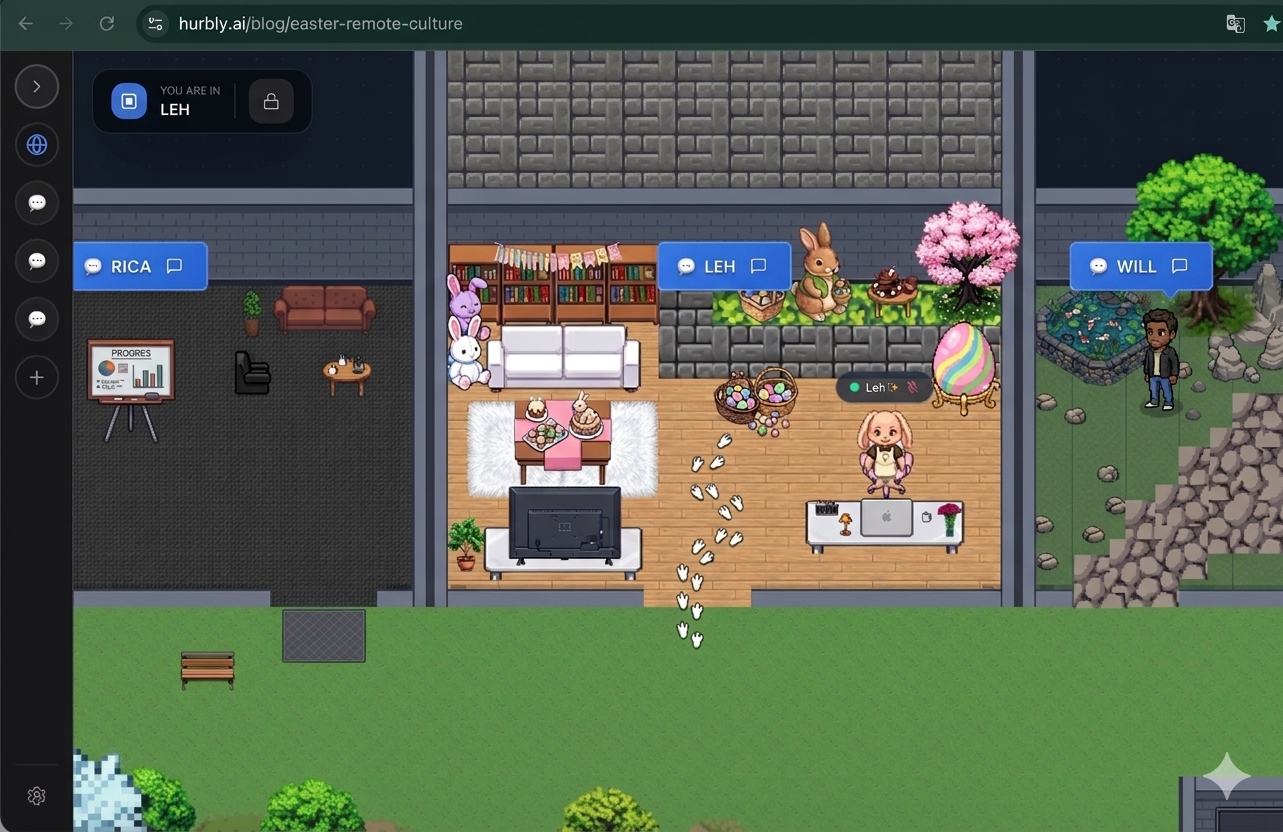
By utilizing Hurbly.ai, teams can see exactly who is around, while Generative AI works in the background to ensure these interactions are meaningful and well-timed. This combination of visual presence and intelligent data processing makes remote work feel less isolated and more integrated.
The Strategic Importance of Generative AI in 2026
As we move further into 2026, the adoption of Generative AI is no longer optional for companies seeking to remain competitive in a global market. The technology provides the scalability needed to manage large, distributed workforces without losing the personal touch that drives company culture. Generative AI enables a level of personalization in digital workspaces that was previously impossible, tailoring the user experience to individual work styles while maintaining a unified team vision.
Furthermore, Generative AI plays a critical role in knowledge management. In a virtual office, information is often scattered across various channels. Generative AI can index these interactions in real-time, making it easy for team members to retrieve specific details from past spontaneous conversations. This capability ensures that the agility of informal communication is paired with the rigor of documented processes.
Optimizing Workflow and Reducing Friction via Generative AI
The implementation of Generative AI in workspace tools is specifically designed to remove "friction"—the small delays and frustrations that occur when trying to coordinate with others. When a platform can predict that a colleague will be free in ten minutes, it allows for better personal time management. Generative AI processes these variables much faster than a human could, providing a constant stream of actionable insights.
To maximize the utility of these tools, teams should follow a structured approach:
- Define Presence Protocols: Establish clear rules for when to use "focus mode" versus "available" status.
- Integrate Tools: Connect Hurbly.ai with existing task managers to allow Generative AI to see the full picture of team activity.
- Monitor Insights: Regularly review the collaboration patterns identified by Generative AI to improve team structure.
- Encourage Spontaneity: Use the visibility provided by the virtual office to reach out for quick questions instead of sending emails.
Ultimately, Generative AI serves as the connective tissue in the modern digital workplace. It allows platforms like Hurbly.ai to offer more than just a list of names; it provides a living, breathing representation of a productive team. By focusing on clarity and real-time data, Generative AI ensures that remote work is as efficient, transparent, and collaborative as working in the same room.

