Understanding the Google Meet Time Limit for Different Account Types in 2026
In this article

Understanding the Google Meet Time Limit for Different Account Types in 2026
The Google Meet time limit is a fundamental constraint that dictates how long a virtual session can last before the system automatically disconnects the participants. Understanding these restrictions is essential for professionals who rely on video conferencing for daily operations. In 2026, these limits vary significantly based on whether a user is utilizing a personal account or a corporate subscription. For those seeking more fluid communication without the constant pressure of a countdown, platforms like Hurbly.ai offer a persistent virtual office environment where presence is continuous and interactions are spontaneous.
The primary purpose of the Google Meet time limit is to manage server resources and differentiate between free and paid service tiers. When a meeting reaches its final minutes, the platform typically displays a notification to all participants. If the Google Meet time limit expires, the call ends immediately, requiring the host to generate a new link and invite everyone back, which can disrupt the flow of a professional discussion or a creative brainstorming session.
Detailed Breakdown of Google Meet Time Limit Durations
The specific Google Meet time limit applied to your session depends on the number of participants and the type of account the host is using. For individual users on free personal accounts, a one-on-one call can last up to 24 hours. However, once a third person joins the meeting, a strict 60-minute Google Meet time limit is enforced. This distinction is crucial for freelancers and small teams who may start a call with two people and find their session unexpectedly cut short when more team members join.
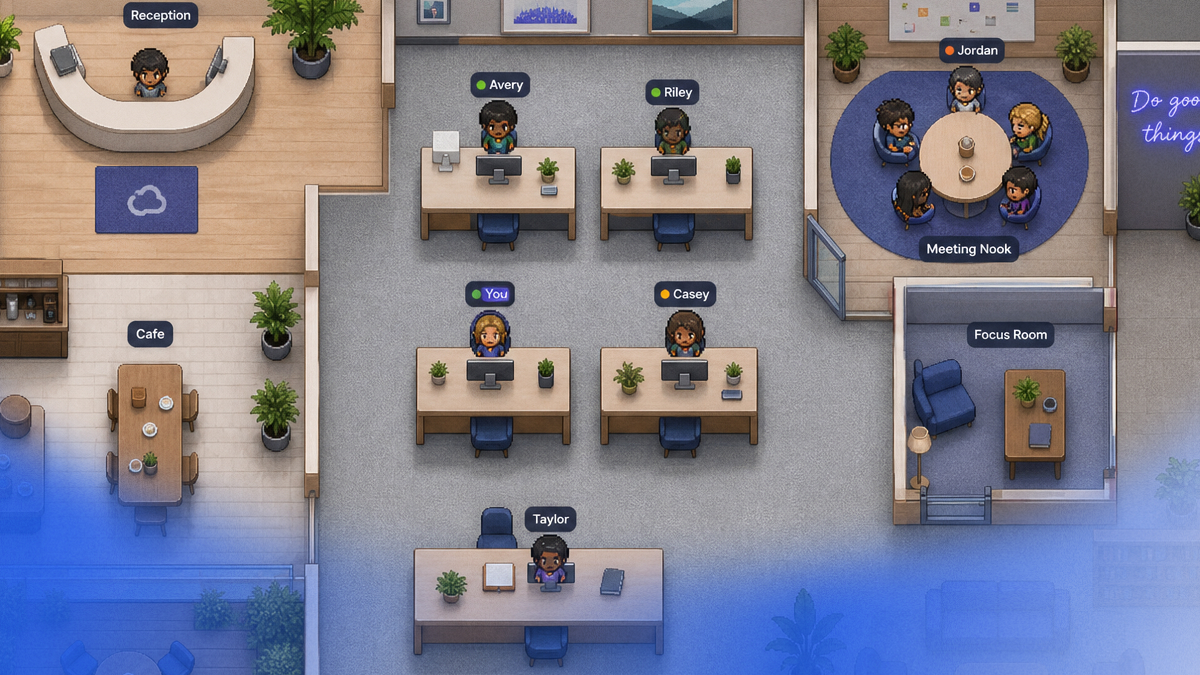
For organizations using Workspace editions, the Google Meet time limit is significantly extended. Most enterprise and education accounts allow for meetings to last up to 24 hours regardless of the number of participants. Despite this generous window, many teams find that the rigid structure of scheduled calls creates a barrier to quick collaboration. In contrast to the fixed Google Meet time limit, a virtual office like Hurbly.ai allows team members to see who is available in real-time, encouraging short, meaningful interactions that don't require a formal calendar invite.
| Account Type | One-on-One Limit | Group Meeting Limit (3+ people) |
|---|---|---|
| Personal (Free) | 24 Hours | 60 Minutes |
| Workspace Individual | 24 Hours | 24 Hours |
| Workspace Enterprise | 24 Hours | 24 Hours |
| Education / Non-Profit | 24 Hours | 24 Hours |
How the Google Meet Time Limit Affects Remote Workflow
The enforcement of a Google Meet time limit often forces teams into a cycle of "over-scheduling." Because users fear being cut off by the Google Meet time limit, they tend to book longer blocks of time than necessary. This leads to "meeting fatigue," where employees spend more time in structured video boxes than actually performing their core tasks. Managing the Google Meet time limit becomes a logistical burden for the host, who must keep an eye on the clock rather than focusing entirely on the conversation.
Furthermore, the Google Meet time limit creates a psychological boundary. When a meeting is scheduled with a definitive start and end time, it often feels formal and high-stakes. This is where presence-based tools provide a distinct advantage. Instead of worrying about a Google Meet time limit, teams using Hurbly.ai can simply "drop in" on a colleague who is shown as available. This replicates the spontaneous "desk-side chat" of a physical office, removing the friction associated with link generation and time constraints.
Strategies to Manage or Bypass the Google Meet Time Limit
To avoid the interruptions caused by a Google Meet time limit, users have several options depending on their budget and organizational needs. The most direct way to extend the Google Meet time limit is to upgrade to a paid Workspace tier. This removes the 60-minute cap on group calls and provides additional features like recording and noise cancellation. However, for many, the issue isn't just the Google Meet time limit itself, but the lack of visibility into team availability between those scheduled calls.
- Monitor the Countdown: Google provides a warning when you are five minutes away from the Google Meet time limit. Use this time to wrap up key points.
- Upgrade Subscription: Moving from a free tier to a paid tier is the only official way to permanently increase the Google Meet time limit for group sessions.
- Use Persistent Spaces: For ongoing projects, consider using a virtual office like Hurbly.ai to maintain a sense of presence without needing to launch a new meeting every time the Google Meet time limit expires.
- Re-entry Strategy: If you are on a free plan, prepare a secondary link in advance so participants can transition quickly if the Google Meet time limit is reached.
Comparison Between Scheduled Meetings and Virtual Presence
While the Google Meet time limit defines the boundaries of traditional video conferencing, the concept of a "virtual office" is gaining traction in 2026. Traditional tools are designed for "events," while platforms like Hurbly.ai are designed for "workdays." In a traditional setup, you are either in a meeting or you are invisible. This binary state is what makes the Google Meet time limit so impactful; once the meeting ends, the connection to the team is often lost.
By understanding the Google Meet time limit, teams can better plan their synchronous communication. However, relying solely on meetings governed by a Google Meet time limit can lead to silos. Integrating a presence-based platform allows for a hybrid approach: use video calls for deep-dive sessions and use a virtual office for the 90% of the day that falls outside of the Google Meet time limit. This ensures that even when you aren't in a formal call, you remain connected to your colleagues' workflow and availability.