Effective Strategies for Managing Group Meetings in Remote Environments
In this article

Effective Strategies for Managing Group Meetings in Remote Environments
Remote work in 2026 requires more than just video calls; it demands a structured approach to team presence and real-time interaction. Efficient group meetings serve as the foundation for team alignment, but their success depends on how well participants understand availability and context before the session begins. When teams lack visibility into their colleagues' current tasks, scheduling becomes a burden, often leading to "meeting fatigue" and decreased productivity across the organization.
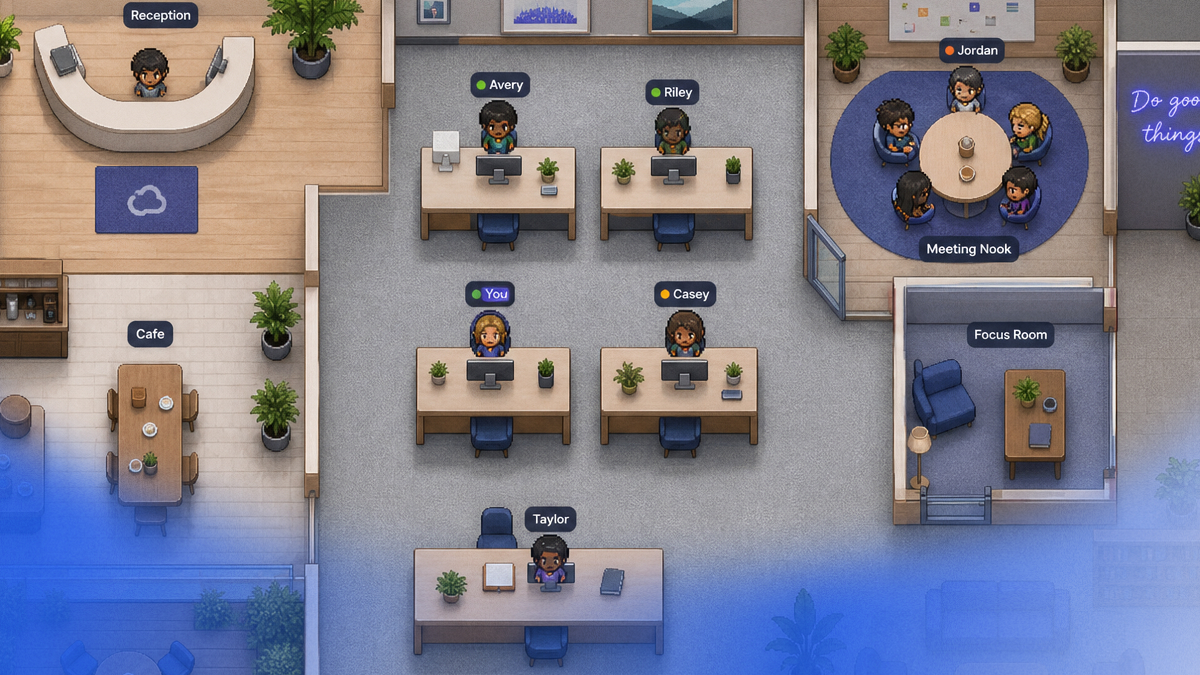
To optimize group meetings, teams must prioritize transparency. Knowing whether a colleague is deeply focused, available for a quick chat, or already engaged in another session allows for better timing. Platforms like Hurbly.ai address this by providing real-time presence indicators. This visibility ensures that group meetings are only initiated when necessary and when the right people are truly available, reducing the friction of constant back-and-forth scheduling.
Enhancing Collaboration Through Structured Group Meetings
A well-structured agenda is the most critical component of productive group meetings. Without a clear outline, discussions often deviate from the primary objective, wasting valuable time for all participants. Every session should begin with a defined goal and end with actionable steps. This approach ensures that group meetings remain concise and result-oriented, preventing the common pitfall of sessions that could have been handled via a simple status update.
In addition to agendas, the frequency of group meetings should be carefully managed. High-performing teams often categorize their interactions into three distinct types:
- Daily Syncs: Short sessions to identify blockers and align on immediate tasks.
- Strategic Reviews: Longer group meetings focused on long-term goals and project milestones.
- Ad-hoc Brainstorming: Spontaneous sessions triggered by immediate needs or creative challenges.
By categorizing these interactions, teams can protect their deep-work hours while ensuring that essential group meetings occur at the most impactful times.
Tools and Techniques for Better Group Meetings
The technical setup of group meetings significantly influences participant engagement and information retention. High-quality audio and stable connections are basic requirements, but the integration of presence-aware technology takes collaboration further. When team members can see who is available in a virtual office space, they can transition from a quick question into formal group meetings seamlessly, mimicking the natural flow of a physical office environment.
| Feature | Impact on Group Meetings |
|---|---|
| Real-time Presence | Reduces scheduling conflicts and interruptions. |
| Instant Audio Rooms | Facilitates spontaneous and informal group meetings. |
| Status Indicators | Signals when a user is "in the zone" or ready to talk. |
| Centralized Documentation | Ensures all outcomes from group meetings are recorded. |
Utilizing these features allows remote organizations to maintain a high velocity of communication. Instead of waiting days for a calendar slot, teams can leverage Hurbly.ai to see who is free and start group meetings instantly, which is particularly useful for resolving urgent technical issues or making quick design decisions.
Maximizing Engagement in Virtual Group Meetings
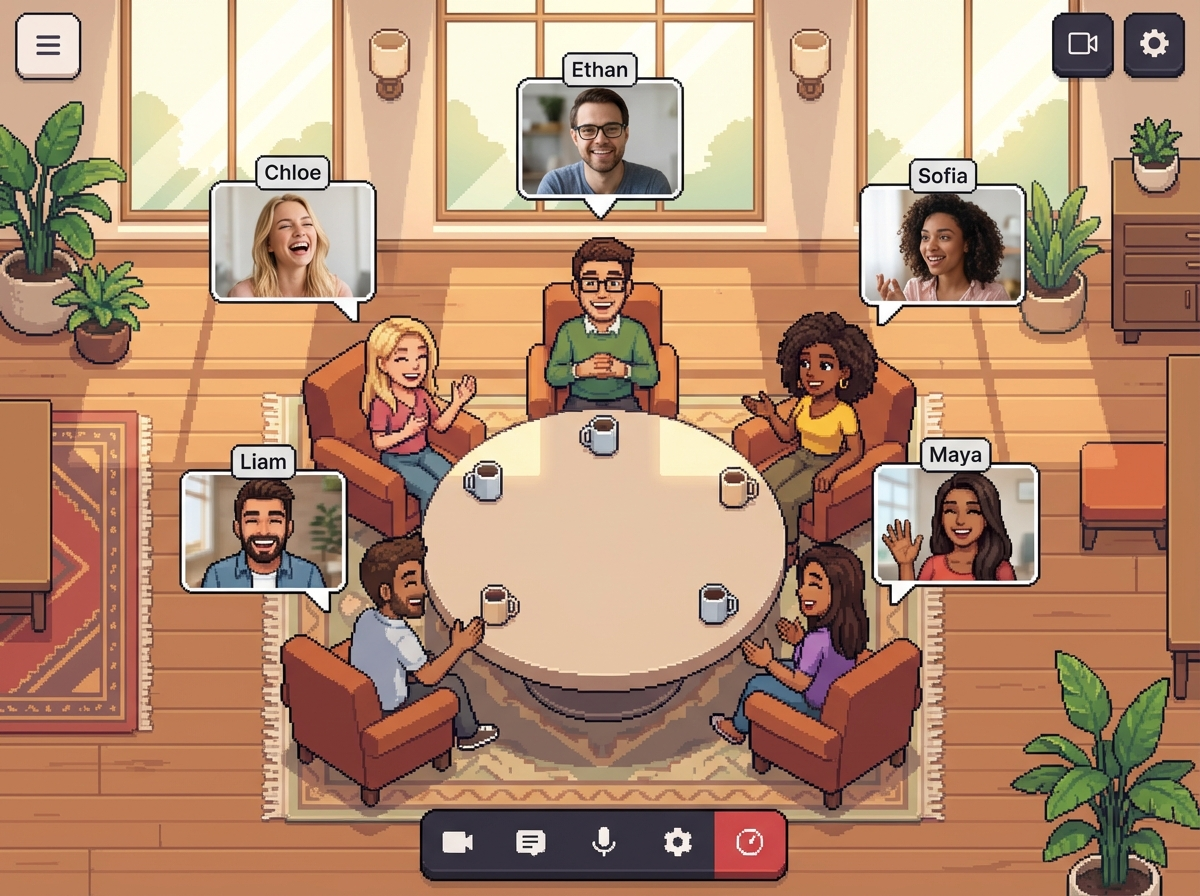
Engagement often drops in virtual settings due to digital distractions. To keep group meetings effective, facilitators should encourage active participation by rotating roles, such as timekeeper or note-taker. This distribution of responsibility keeps everyone focused on the discussion. Furthermore, limiting the number of participants in group meetings to only those essential for the decision-making process prevents "spectator syndrome" and keeps the conversation relevant.
Another effective technique is the "silent start," where participants spend the first five minutes of group meetings reading a shared document or briefing. This ensures everyone has the same context before the verbal discussion begins. By implementing these practical steps, organizations can transform their group meetings from time-consuming obligations into powerful tools for collective problem-solving and innovation.
The Future of Spontaneous Group Meetings
As we move through 2026, the trend is shifting away from rigid calendars toward fluid, presence-based interactions. The ability to see a colleague's status in real-time allows for "micro-meetings" that resolve issues in minutes. These spontaneous group meetings often replace longer, scheduled sessions because they address problems the moment they arise.
Platforms like Hurbly.ai are at the forefront of this shift, creating a digital environment where the barriers to communication are removed. When teams feel connected and visible, the quality of their group meetings improves because the interactions are based on actual need rather than a pre-set calendar reminder. This evolution leads to a more agile workforce capable of adapting to changes without the overhead of traditional corporate scheduling.