Managing Healthy Conflict in the Workplace for Remote Teams

In this article

Managing Healthy Conflict in the Workplace for Remote Teams
Healthy conflict in the workplace is a vital component of a high-performing team, especially in 2026 where distributed work is the standard. Unlike toxic arguments that damage relationships, healthy conflict in the workplace focuses on the exchange of diverse ideas and the objective evaluation of different perspectives. When team members feel safe to disagree, they can identify potential flaws in projects before they become costly mistakes. This process of constructive debate ensures that the best ideas rise to the top, regardless of who proposed them.
To foster healthy conflict in the workplace, organizations must prioritize psychological safety. This means creating an environment where employees know that challenging a peer's opinion will not result in personal retaliation. In a remote setting, this is often harder to achieve because digital communication can strip away tone and body language. By encouraging healthy conflict in the workplace, managers help teams move past "groupthink," leading to more innovative solutions and a deeper sense of ownership over the final results.
How Real-Time Presence Supports Constructive Debate
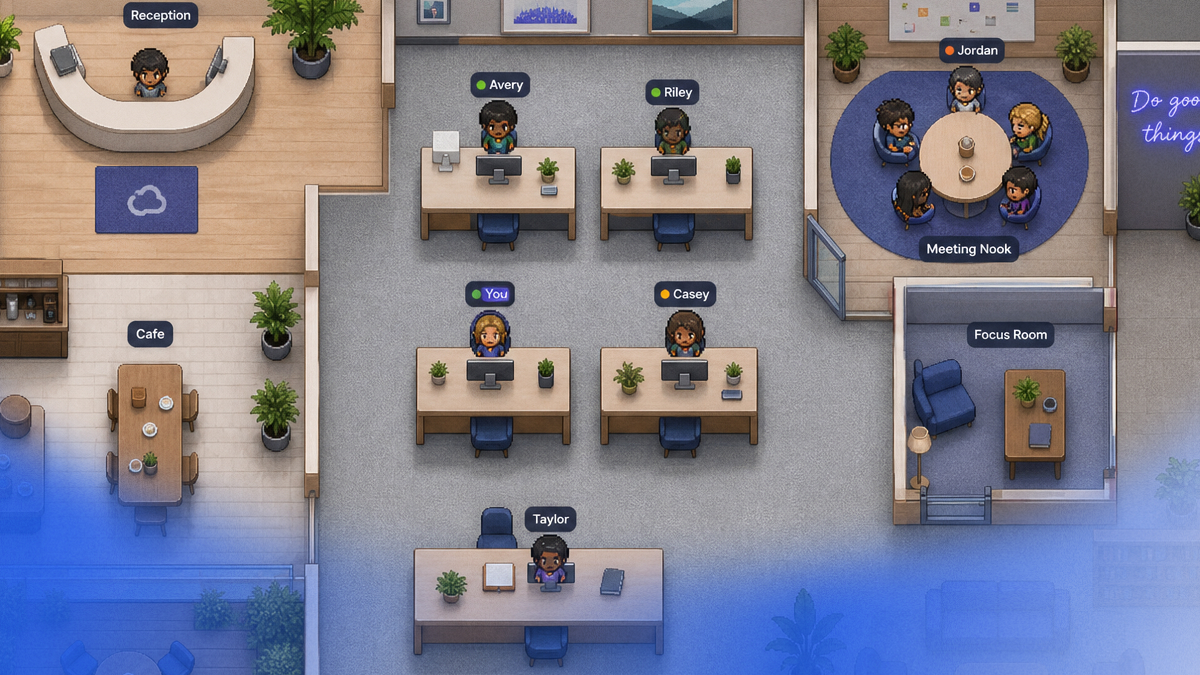
One of the biggest obstacles to healthy conflict in the workplace in virtual settings is the delay in communication. When disagreements happen over asynchronous messaging, they can easily escalate due to misunderstandings. However, tools like Hurbly.ai allow teams to see who is available for a quick, spontaneous conversation. Being able to jump into a live discussion immediately helps resolve tensions before they fester, turning a potential misunderstanding into an instance of healthy conflict in the workplace.
Visualizing team presence is essential for maintaining the social fabric required for healthy conflict in the workplace. When you can see that a colleague is "available" or "focused," you can choose the right moment to bring up a difficult topic. This real-time visibility mimics the physical office environment, where you might walk over to a desk to clarify a point. By facilitating these informal interactions, Hurbly.ai ensures that healthy conflict in the workplace remains a productive part of the daily workflow rather than a scheduled, stressful event.
Strategies to Encourage Healthy Conflict in the Workplace
Implementing healthy conflict in the workplace requires a structured approach to communication. Teams should establish clear ground rules for how to disagree respectfully. The following steps help transition from destructive friction to productive collaboration:
- Focus on the Problem, Not the Person: Ensure that all critiques are directed at the data or the strategy, never at the individual's character.
- Encourage Active Listening: Before responding to a dissenting view, team members should summarize the other person's point to ensure full understanding.
- Normalize Disagreement: Leaders should explicitly ask for "the case against" a proposal to make healthy conflict in the workplace an expected part of the decision-making process.
- Use High-Bandwidth Channels: For complex topics, move from text to voice or video quickly to capture nuances that prevent unnecessary hostility.
By integrating these habits, healthy conflict in the workplace becomes a tool for growth. It allows teams to explore the "why" behind their actions, leading to more robust strategies. When employees see that their input is valued—even when it contradicts the majority—they become more engaged and committed to the team's collective success.
Comparing Communication Styles and Their Impact
The way a team communicates directly influences the frequency and quality of healthy conflict in the workplace. Different methods of interaction yield different results in terms of problem-solving and emotional intelligence.
| Communication Type | Impact on Conflict | Best Use Case |
|---|---|---|
| Asynchronous (Email/Chat) | High risk of misinterpretation; can stifle healthy conflict in the workplace. | Status updates and non-urgent documentation. |
| Scheduled Meetings | Can feel formal and restrictive; might discourage spontaneous healthy conflict in the workplace. | Formal reviews and long-term planning. |
| Real-Time Presence (Hurbly.ai) | Encourages quick resolutions and spontaneous, healthy conflict in the workplace. | Quick clarifications and collaborative brainstorming. |
Choosing the right medium is a skill in itself. For instance, healthy conflict in the workplace is most effective when it happens in real-time, where participants can adjust their tone and provide immediate context. This prevents the "echo chamber" effect and ensures that diverse viewpoints are integrated into the project lifecycle.
The Role of Transparency in Team Dynamics
Transparency is the foundation of healthy conflict in the workplace. When every team member has access to the same information and can see the current status of their peers, it reduces the suspicion and silos that often lead to toxic office politics. Using a platform like Hurbly.ai provides this transparency by showing who is in a meeting or who is deep in a focused task. This clarity allows for better timing when initiating healthy conflict in the workplace, ensuring the recipient is in the right headspace to receive feedback.
Ultimately, the goal of promoting healthy conflict in the workplace is to build a more resilient and adaptable organization. In the fast-paced market of 2026, teams that avoid conflict often stagnate. Conversely, those that embrace healthy conflict in the workplace as a core value are able to pivot faster and solve complex problems more efficiently. By combining the right cultural mindset with real-time presence tools, remote teams can achieve a level of synergy that rivals any physical office.