Strategies for Hiring Remote Workers and Managing Digital Presence in 2026
In this article

Strategies for Hiring Remote Workers and Managing Digital Presence in 2026
The global landscape for hiring remote workers has evolved into a sophisticated ecosystem where talent is no longer bound by geography. Companies now prioritize skills and cultural fit over physical proximity. This shift requires a robust infrastructure to maintain team cohesion, as the traditional office boundaries have dissolved. Organizations must implement systems that bridge the gap between isolated home offices and a unified corporate environment.
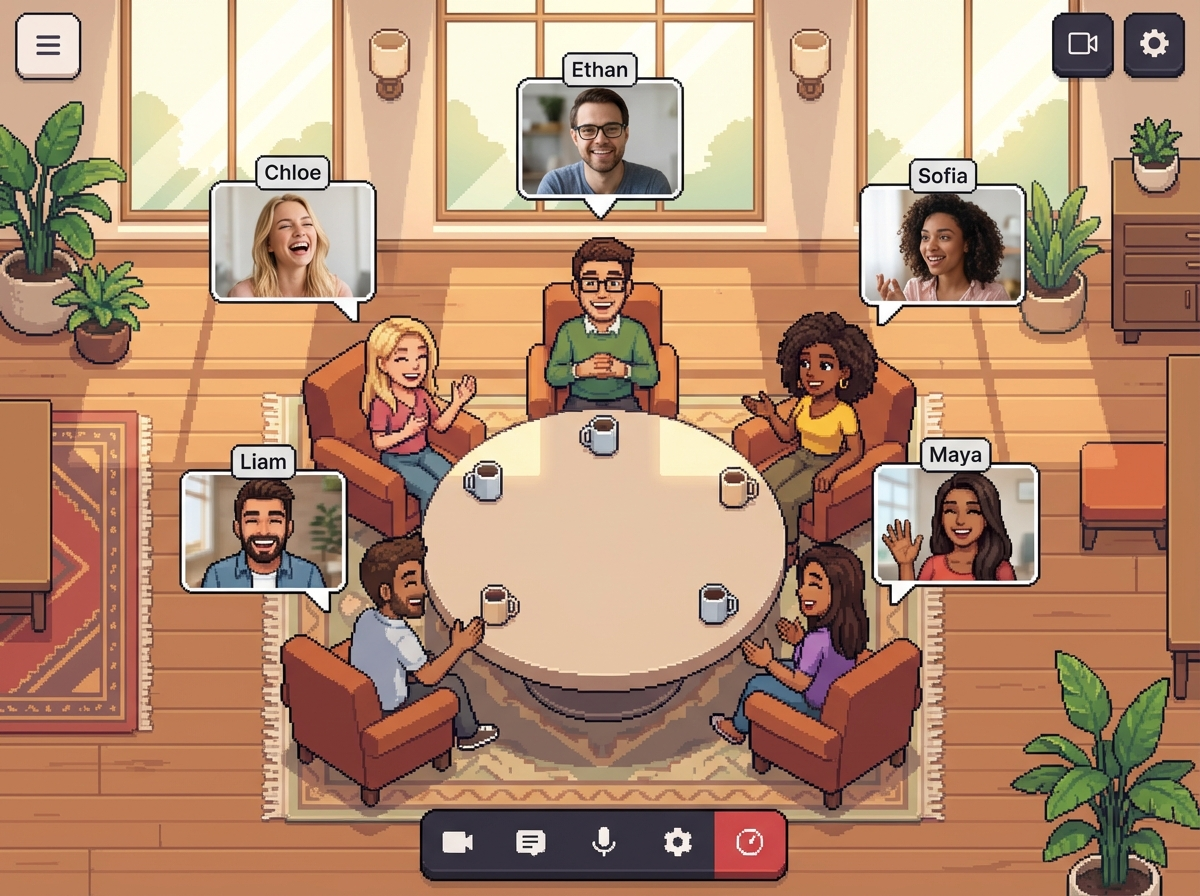
When hiring remote workers, businesses often face the challenge of replicating spontaneous office interactions. In a physical setting, you can see if a colleague is at their desk or busy in a conversation. In a digital setting, this visibility is often lost, leading to "meeting fatigue" caused by over-scheduling. Successful integration of new staff depends on how well the company can simulate a shared space where communication flows naturally without the friction of constant calendar invites.
Enhancing Team Connectivity with Virtual Office Solutions
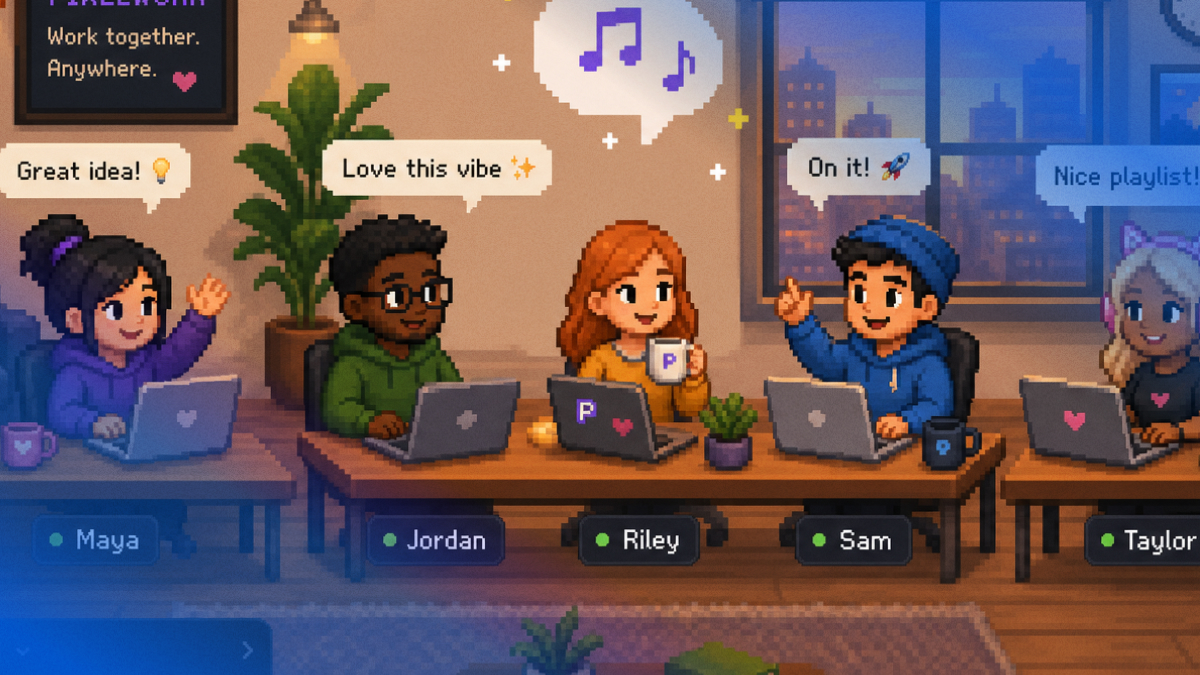
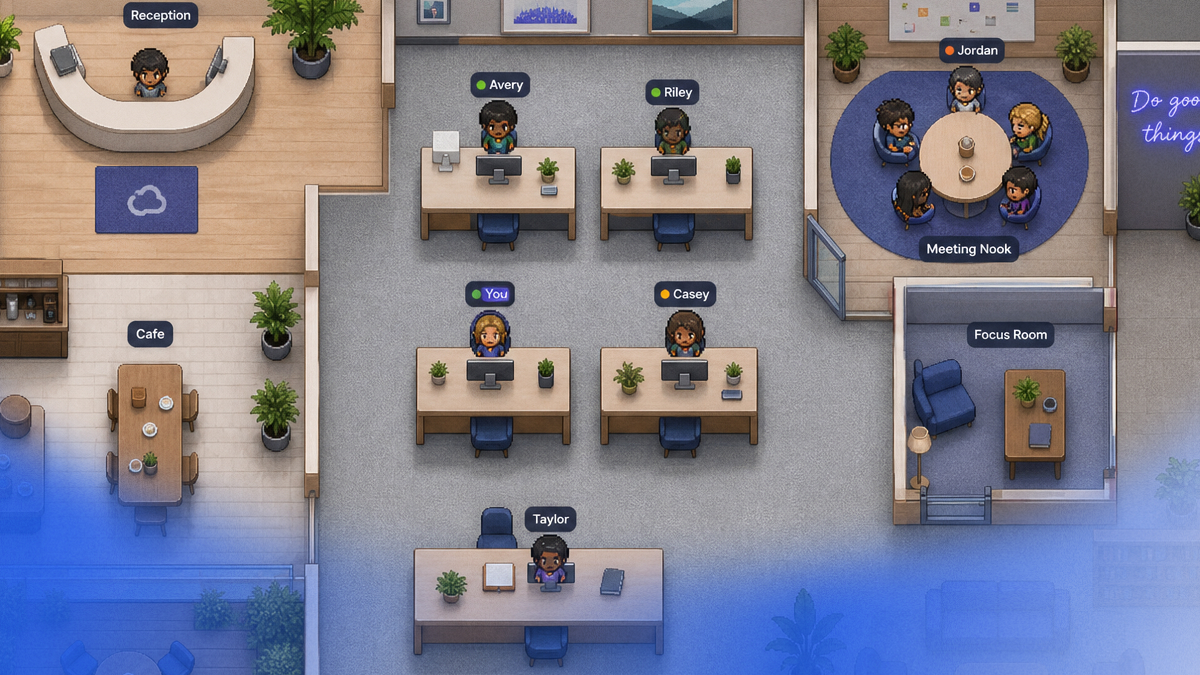
Modern distributed teams utilize platforms like Hurbly.ai to create a sense of presence. This technology allows teams to see who is currently focused, available for a quick chat, or engaged in a deep-work session. By providing real-time status indicators, these tools reduce the anxiety of interrupting colleagues. For managers hiring remote workers, implementing a virtual office ensures that new hires feel connected to their peers from day one, rather than working in a vacuum.
The core functionality of a virtual office involves real-time data synchronization. When hiring remote workers, it is essential to provide them with tools that display team availability visually. This transparency fosters a culture of trust and accessibility. Instead of sending a message and waiting hours for a reply, team members can identify windows of opportunity for instant collaboration, mimicking the "tap on the shoulder" dynamic of a traditional workspace.
Best Practices for Integrating and Hiring Remote Workers
To build a high-performing distributed team, the process of hiring remote workers must be paired with clear communication protocols. Standardizing how and when to use different communication channels prevents information silos. For example, urgent matters might happen via instant voice rooms, while long-term projects are tracked in documentation hubs. This structured approach ensures that every team member, regardless of their time zone, stays aligned with the company's objectives.
| Phase | Action Item for Distributed Teams | Benefit |
|---|---|---|
| Recruitment | Focus on asynchronous communication skills when hiring remote workers. | Ensures self-sufficiency and clarity. |
| Onboarding | Introduce the team via a virtual office platform like Hurbly.ai. | Accelerates social integration. |
| Operations | Set "Core Hours" for synchronous collaboration. | Minimizes delays across time zones. |
| Retention | Encourage spontaneous "watercooler" moments digitally. | Reduces isolation and burnout. |
Effective management after hiring remote workers involves moving away from micromanagement and toward outcome-based tracking. Visual presence tools help in this transition by showing "active" status without requiring constant check-ins. This allows leaders to see that the team is present and engaged, providing peace of mind while respecting the autonomy that remote employees value.
Overcoming Communication Barriers in Distributed Environments
One of the primary hurdles when hiring remote workers is the loss of non-verbal cues and informal knowledge sharing. In a physical office, a lot of information is exchanged through overhearing conversations or quick hallway chats. Digital platforms now aim to recover this lost data by allowing "open rooms" or "focus zones." This setup helps in hiring remote workers who thrive in collaborative environments but prefer the flexibility of working from home.
- Real-Time Status Indicators: Use tools to show if someone is in a meeting, on a break, or in "deep work" mode.
- Instant Voice Channels: Eliminate the need for 30-minute scheduled Zoom calls for 2-minute questions.
- Visual Team Maps: Display the entire organization in a single dashboard to humanize the digital experience.
- Asynchronous Documentation: Ensure all decisions made in "live" chats are recorded for those in different time zones.
By focusing on these elements, companies hiring remote workers can maintain a high level of operational efficiency. The goal is to create a frictionless environment where the digital workspace feels as intuitive as a physical one. Using Hurbly.ai facilitates this by making the "who is doing what" aspect of work visible to everyone, which is a critical component for any firm hiring remote workers in 2026.
The Role of Transparency in Remote Team Retention
Retention is just as important as hiring remote workers. Employees are more likely to stay with a company if they feel a sense of belonging and visibility. Transparency in availability and workload prevents the "invisible worker" syndrome, where remote staff feel their contributions or presence are unnoticed. By utilizing a virtual presence platform, companies provide a stage where every team member’s activity is recognized in real-time.
Finally, when hiring remote workers, it is vital to consider the psychological impact of digital isolation. Providing a platform that encourages informal interaction helps build the social capital necessary for long-term success. As the competition for global talent increases, the companies that master the art of hiring remote workers and keeping them engaged through innovative presence technology will lead their respective industries.