Effective Strategies on How to Prioritize Tasks for Remote Teams in 2026

In this article

Effective Strategies on How to Prioritize Tasks for Remote Teams in 2026
Effective workload management is the cornerstone of professional success, especially in a digital landscape where distractions are constant. Learning how to prioritize tasks involves more than just making a list; it requires a systematic approach to evaluating the urgency and impact of every action item. By implementing structured frameworks, individuals can move away from reactive firefighting and toward proactive goal achievement. Understanding how to prioritize tasks ensures that high-value activities receive the necessary resources while low-impact chores are deferred or eliminated.
The process of determining how to prioritize tasks begins with a comprehensive audit of current responsibilities. This involves documenting every commitment, regardless of size, to gain a holistic view of the workload. Once the scope is clear, the next step in how to prioritize tasks is applying objective criteria to rank these items. This prevents the "urgency trap," where small, loud tasks overshadow quiet, significant projects that drive long-term growth and innovation.
Frameworks for Mastering How to Prioritize Tasks
One of the most reliable methods for those wondering how to prioritize tasks is the Eisenhower Matrix. This tool divides activities into four quadrants based on urgency and importance. Tasks that are both urgent and important must be done immediately, while those that are important but not urgent should be scheduled. Mastering how to prioritize tasks using this matrix helps professionals focus on "Quadrant II" activities—those that prevent future crises and build long-term value.
Another effective technique for how to prioritize tasks is the ABCDE method. In this system, each task is assigned a letter based on its consequence:
- A Tasks: Critical items with significant consequences if not completed.
- B Tasks: Important items with minor consequences.
- C Tasks: Nice-to-do items with no real consequences.
- D Tasks: Tasks that should be delegated to others.
- E Tasks: Items that can be eliminated entirely.
By consistently applying these rankings, the question of how to prioritize tasks becomes a logical exercise rather than an emotional struggle.
Enhancing Team Collaboration and Task Management
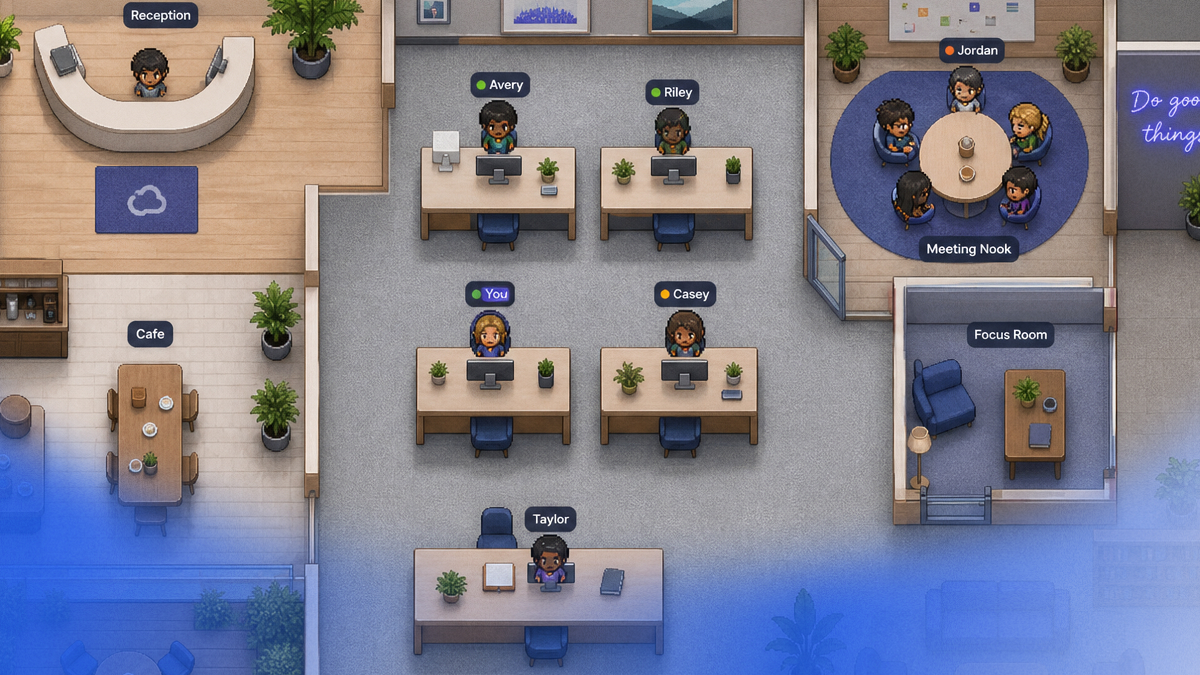
In a remote work environment, knowing how to prioritize tasks is only half the battle; the other half is communicating those priorities to the team. Transparency is vital for distributed organizations to stay aligned. Tools like Hurbly.ai facilitate this by providing real-time visibility into team presence and availability. When you understand who is focused or available, you can better decide how to prioritize tasks that require collaboration versus those that require deep, solitary work.
Hurbly.ai acts as a virtual office, allowing team members to see status indicators that signal when a colleague is in a "deep work" state. This visual feedback loop is essential when learning how to prioritize tasks because it prevents unnecessary interruptions. By respecting these focus periods, teams can execute their most difficult priorities without the friction of constant, unscheduled pings, leading to higher collective productivity.
Data-Driven Approaches to Task Ranking
To further refine how to prioritize tasks, professionals in 2026 are increasingly turning to data and impact scoring. This involves assigning a numerical value to the potential Return on Investment (ROI) of a specific activity. When deciding how to prioritize tasks, consider the following factors:
| Factor | Description | Impact on Priority |
|---|---|---|
| Reach | How many people will this affect? | Higher reach increases priority. |
| Effort | How many hours will this take? | Lower effort with high impact is a "quick win." |
| Confidence | How sure are we of the result? | High confidence justifies immediate action. |
| Alignment | Does this match the 2026 goals? | Strategic alignment is the ultimate filter. |
Using a table like this makes the decision of how to prioritize tasks objective and repeatable. It removes personal bias and ensures that the team’s energy is directed toward the most profitable and strategically sound initiatives.
Maintaining Focus After Prioritizing
Once you have established how to prioritize tasks, the final challenge is maintaining the discipline to follow that order. Time blocking is a highly effective strategy for this stage. By allocating specific windows of time for "A" priority tasks, you protect your schedule from being hijacked by minor requests. If a new request arrives, you must evaluate it against your existing list to determine how to prioritize tasks in light of the new information.
Platforms like Hurbly.ai support this discipline by creating a shared sense of presence. When the team sees you are in a "Meeting" or "Focused" mode on Hurbly.ai, they understand that your current priority takes precedence. This digital transparency reduces the need for constant status updates and allows everyone to master how to prioritize tasks while staying connected to the broader team goals. Consistent application of these methods leads to a more balanced, productive, and less stressful professional life.