How to Reduce Loneliness in Remote Work Teams (And Actually Make It Stick)

In this article

There's a moment most remote workers know well. It's 2:47 PM on a Wednesday, your third coffee is getting cold, and you've barely spoken to another human being since your morning standup. You check Slack. Someone sent a GIF three hours ago. You laugh a little, then realize you've been laughing at a screen by yourself in silence. Again.
Remote work is incredible in so many ways, the flexibility, the lack of a commute, the ability to work in sweatpants without shame. But it comes with a very real shadow: loneliness. And before you dismiss that as a soft, personal problem, consider this: studies show that loneliness at work is directly tied to lower productivity, higher turnover, and poorer mental health outcomes. It's not just an emotional issue, it's a business issue.
The tricky part? Most teams don't even realize loneliness is creeping in until it's already done damage. People start going quiet in meetings. Good employees start looking for other jobs. The culture that felt so special during the first months of remote work slowly evaporates. If you're a manager or team leader, reducing loneliness in your remote team isn't optional, it's one of the most important things you can do.
Why Remote Work Loneliness Is Different From Just Being Alone
There's an important distinction to make here: being alone and feeling lonely are not the same thing. Plenty of people genuinely enjoy solitude and can work independently without any problems. Remote work loneliness is something different, it's the absence of organic human connection that used to happen naturally in an office.
Think about what you lose when you go remote. You lose the small talk in the kitchen while waiting for the coffee to brew. You lose the spontaneous "hey, can I ask you something?" moments. You lose the body language, the shared lunches, the five-minute chats after a meeting ends. These aren't distractions, they're the invisible glue that holds teams together.
When all of that disappears and every interaction has to be scheduled or typed, something gets lost. People feel like they're working alongside names and avatars rather than actual human beings. Studies estimate that around 65% of remote workers report feeling less connected to their colleagues than when working in-person. That number is hard to ignore.
The good news is that loneliness in remote teams isn't inevitable. It's a design problem, and design problems have solutions.
Create Intentional Social Time (That Doesn't Feel Forced)
The most common mistake teams make when trying to address loneliness is scheduling activities that feel obligatory and performative. Virtual happy hours that nobody wants to attend, trivia games on Friday afternoons when everyone just wants to wrap up the week, these efforts are well-intentioned but often land with a thud.
The key is creating social time that feels natural, low-pressure, and genuinely enjoyable. Here's how:
Coffee chats and buddy pairings. Randomly pair team members for a 20-minute video call with zero agenda. No work talk required (or even preferred). These one-on-one moments are where real connection happens. Tools like Donut on Slack can automate this.
Interest-based channels. Instead of forcing everyone into the same social box, create channels around genuine interests: #bookclub, #running, #cooking, #parenthood, #gaming. People will self-select into communities that actually resonate with them, and those communities become spaces of genuine belonging.
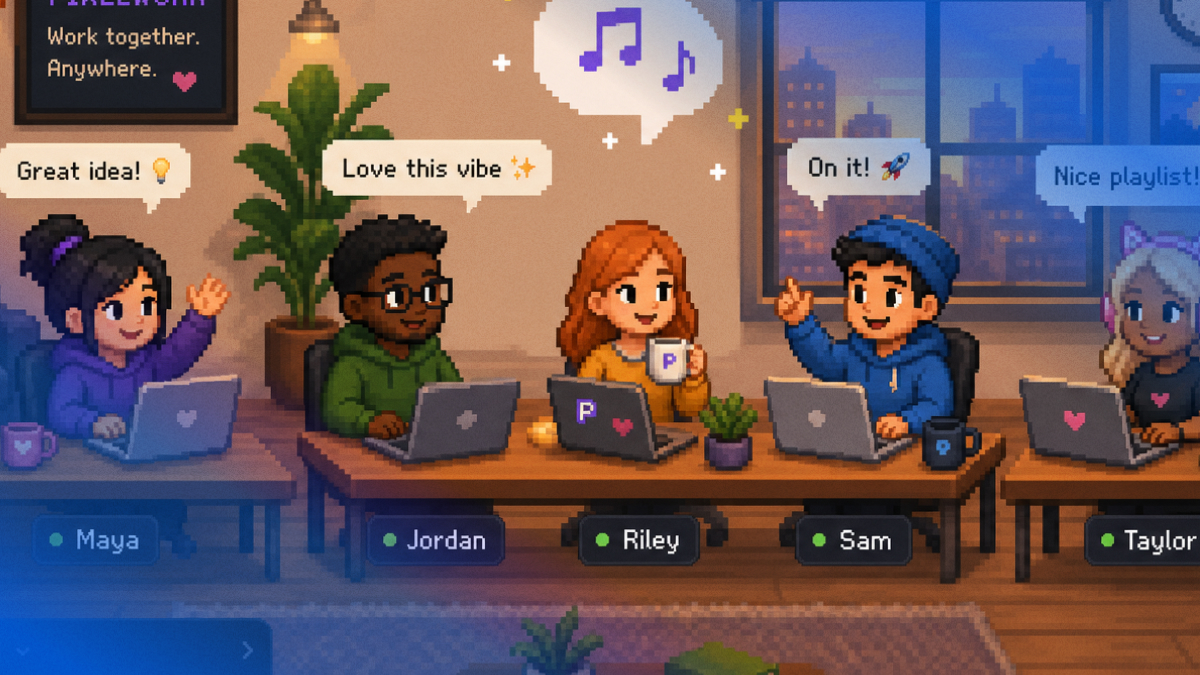
Open virtual space during the day. One of the most underrated things an office provides is ambient presence, knowing other people are around, even if you're not talking to them. Creating an optional "work alongside each other" video room where team members can drop in and out simulates this beautifully. No agenda, no pressure. Just virtual cohabitation.
Async celebrations. Not everything has to be synchronous. Share a thread on Fridays for people to post a "win of the week", personal or professional. A promotion, a great workout, finishing a tough project, their kid's first steps. Mix it up. Make it human.
Build Rituals That Create a Sense of Belonging
Rituals are powerful because they create predictability and shared identity. They say: we are a group, we do this together, and that means something. Offices have rituals all the time, the Friday donut run, the birthday cake tradition, the Monday morning check-in, and remote teams can absolutely have their own version.
Some ideas that work well for distributed teams:
Weekly kickoffs with a personal question. Start the week's team call with one non-work question: "What's something you're excited about this week?" or "What was the best thing you ate recently?" It takes three minutes and immediately sets a warmer tone than diving straight into the project tracker.
End-of-week wrap-up threads. A shared async thread where people can share how their week went — not just what they accomplished, but how they felt about it. This level of vulnerability creates trust over time.
Virtual milestone moments. Work anniversaries, project completions, first 90 days, mark them. Even a short shoutout in a team channel makes someone feel seen. Feeling seen is the opposite of lonely.
Themed days or challenges. "Desk setup Tuesday" where everyone shares a photo of their workspace. A step challenge for a month. A book everyone reads together over a quarter. Shared experiences, even small ones, create connective tissue.
Rethink How Communication Flows Through Your Team
Loneliness often gets worse in remote teams because communication becomes purely transactional. Every message is about a task, a deadline, a deliverable. There's no room for the conversational overflow that makes work feel human.
As a manager, you can change this by modeling the behavior you want to see. Share a bit of yourself. Ask about people's weekends without it feeling like an interview. When someone mentions their dog is sick or their kid had a school play, acknowledge it next time you talk. Remember. These micro-moments of being remembered and seen are exactly what prevents people from feeling like just a resource on a team chart.
Beyond individual behavior, think about your communication tools and how they shape interaction. Are all your channels purely work-focused? Is there space for off-topic conversation? Is your async communication warm in tone, or does it read like a robot writing tickets?
Consider also the cadence of communication. Teams that only interact during scheduled meetings create a lot of dead air between those moments. Encouraging more casual, low-stakes async communication throughout the day, check-ins, questions, even just "how's it going?", keeps the social layer active.
Address the Quiet Ones First
In every remote team, there are people who are quietly drowning in loneliness and saying nothing about it. They show up to every meeting, they complete their work, they respond to Slack messages, but inside, they're struggling. They may not even be consciously aware of it. They just know something feels off.
As a manager, your job is to notice who isn't engaging in social channels. Who never responds to the #random posts. Who logs off exactly at 5 PM every day without ever staying to chat. Who seems fine on paper but feels distant in video calls.
Check in privately. Not with "are you lonely?" (too direct, probably uncomfortable) but with genuine curiosity: "Hey, I noticed you've seemed a bit quieter lately, how are you actually doing? Not project-wise, just... you." Most people respond to genuine care. And catching loneliness early is a lot easier than rebuilding a disconnected team.
Also consider whether your team's structure might be creating loneliness by design. If someone works in a very different time zone with no overlap with their teammates, they are almost certainly feeling isolated.
How Hurbly Helps Remote Teams Feel Less Alone
Here's the core problem with most remote work setups: every social interaction requires deliberate effort. You have to schedule a call, start a thread, set up a meeting. That friction means most organic connection just... doesn't happen.
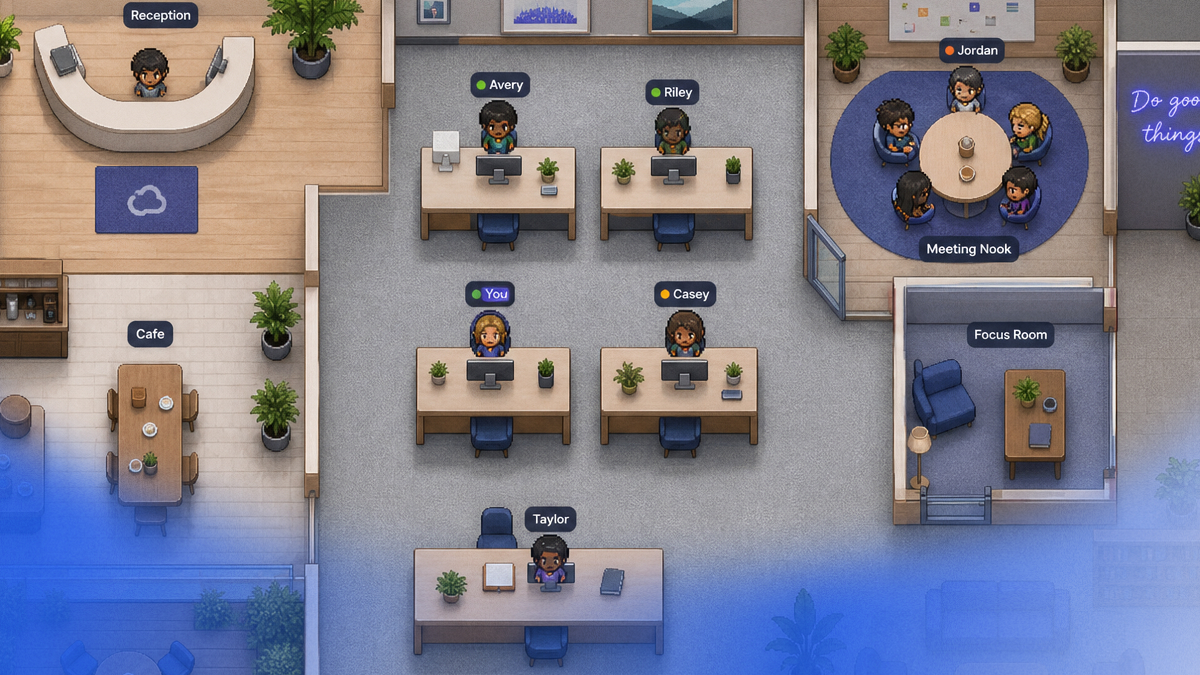
Hurbly works differently. It's a virtual office where your team actually exists together in a shared space throughout the day, moving around, popping into each other's rooms, having quick spontaneous conversations just like in a real office. No scheduling required. No awkward "can I book 15 minutes with you?" messages for every small thing.
When your team is "in" Hurbly, there's a constant, low-key sense of presence. You can see who's available, who's in a focus session, who's hanging out in the common area. That ambient awareness is exactly what remote work is missing — and it's exactly what makes people feel like they're part of something rather than alone in their homes.
You can try Hurbly free for 30 days, no pressure. Build the team connection that remote work was supposed to have all along.
Frequently Asked Questions
Q: How do I know if loneliness is actually affecting my remote team?
A: Some signs to watch for: declining participation in optional team activities, shorter or more terse messages in channels, lower energy in video calls, increased turnover or people citing "feeling disconnected" in exit interviews, and a general flatness to team morale that's hard to put your finger on. Anonymous surveys asking directly about sense of belonging can also surface honest responses people wouldn't share otherwise.
Q: How much structured social time is too much? I don't want to overwhelm people.
A: This is a real concern. The sweet spot for most teams is 1-2 lightweight social touchpoints per week, plus always-available but never-mandatory ambient social spaces (like an open virtual room or active social channels). The key word is "opt-in" — mandatory fun is an oxymoron. Give people the space to connect on their own terms.
Q: Can you really build genuine friendships on a remote team?
A: Absolutely — it just takes more intentional design. Many fully remote teams have incredibly close-knit cultures with people who consider their colleagues real friends, even having never met in person. It requires consistent investment in informal connection, psychological safety, and communication tools that support humanized interaction. It's not automatic, but it's very achievable.
Q: What if some team members just prefer to keep things professional and don't want social interaction?
A: Respect that completely. The goal isn't to force socialization — it's to make connection available for those who want it and need it. Some people are introverted and energized by independent work; they may not feel lonely at all. Focus your energy on creating optional spaces and checking in privately with individuals, rather than mandating team-wide social activities.
Q: Should we invest in in-person retreats to solve the loneliness problem?
A: In-person time is incredibly valuable and can create bonds that carry remote teams for months. But retreats alone aren't a loneliness strategy — they're a boost that needs day-to-day reinforcement to stick. Think of in-person time as accelerating connection, while your daily tools and habits are what sustain it.
Want your remote team to actually feel connected? Try Hurbly free for 30 days →