Understanding the Strategic Differences: HR Business Partner vs People Partner

In this article

Understanding the Strategic Differences: HR Business Partner vs People Partner
In the evolving landscape of 2026, organizational structures have shifted toward more specialized human resources roles. Understanding the nuances of HR business partner vs people partner is essential for companies aiming to optimize their workforce management. While both roles focus on aligning human capital with organizational goals, an HR business partner typically acts as a bridge between management and employees to ensure that HR strategies support specific business units. This role is often data-driven, focusing on performance metrics, compliance, and departmental efficiency to drive commercial success.
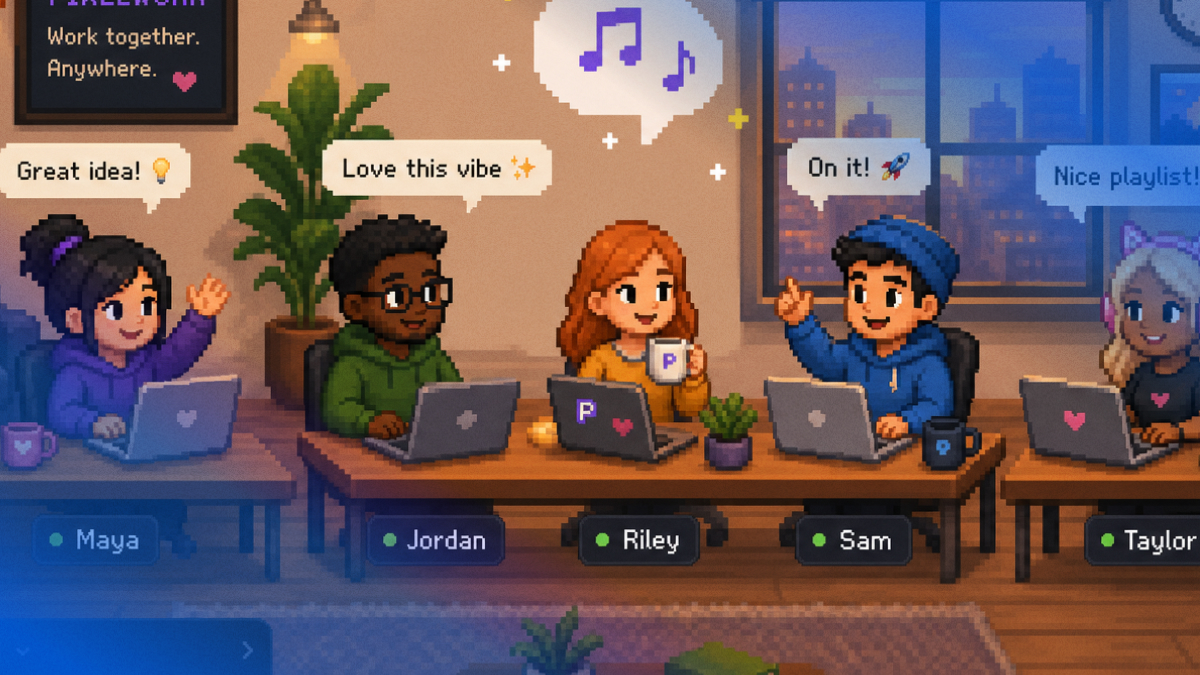
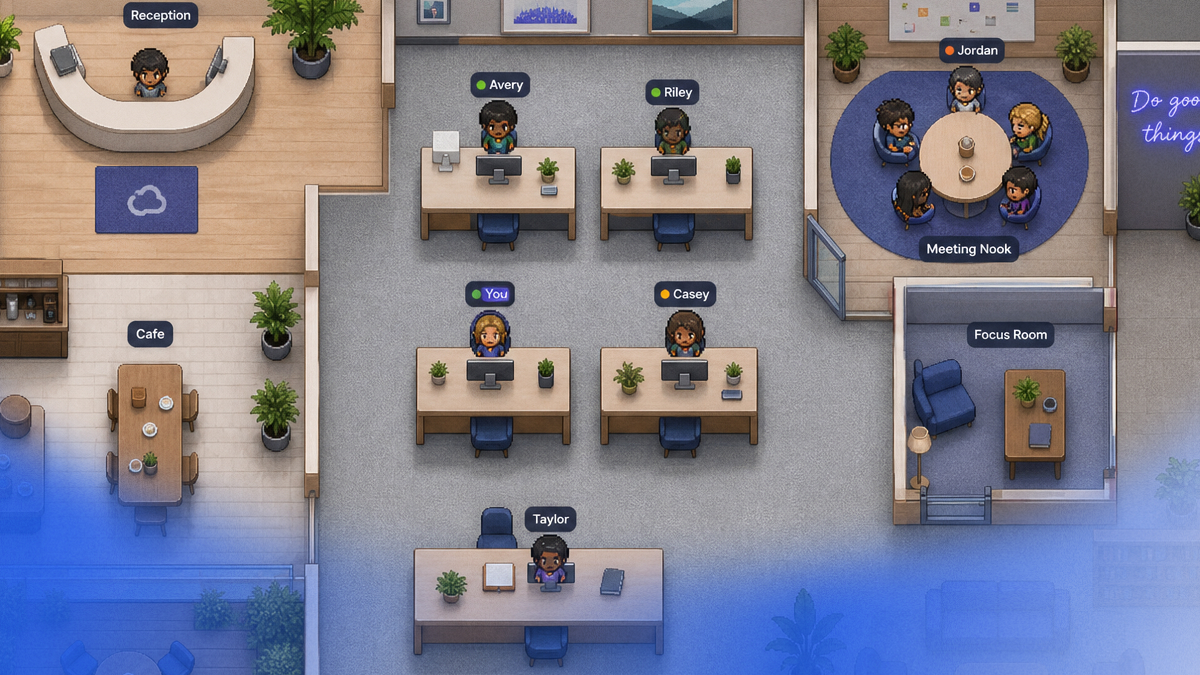
Conversely, when examining HR business partner vs people partner dynamics, the latter often takes a more holistic, employee-centric approach. A people partner focuses on the end-to-end employee experience, culture, and long-term engagement. While the business partner looks at how people can serve the business goals, the people partner looks at how the organization can foster an environment where individuals thrive. Tools like Hurbly.ai assist these professionals by providing real-time visibility into team presence, helping both roles understand how collaboration happens in digital environments.
Core Responsibilities and Operational Focus
The distinction in the HR business partner vs people partner debate becomes clearer when looking at daily tasks. An HR business partner is frequently involved in workforce planning, organizational design, and talent management strategies tailored to specific departments. They work closely with executives to forecast hiring needs and manage labor costs. Their success is often measured by how well the department meets its KPIs through effective people management and resource allocation.
In the context of HR business partner vs people partner responsibilities, the people partner prioritizes psychological safety, career development paths, and internal community building. They are the architects of company culture, ensuring that remote or hybrid teams remain connected. By utilizing platforms such as Hurbly.ai, a people partner can monitor team "vibe" and availability without intrusive surveillance, ensuring that the human element of work is preserved even in distributed settings.
Comparing Strategic Impact and Outcomes
To better understand the HR business partner vs people partner landscape, it is helpful to compare their primary objectives and the value they bring to a modern organization:
| Feature | HR Business Partner | People Partner |
|---|---|---|
| Primary Goal | Business alignment and efficiency | Employee experience and culture |
| Key Metric | Productivity and ROI per head | Retention and Engagement scores |
| Perspective | Top-down (Strategic business needs) | Bottom-up (Employee needs and growth) |
| Communication | Formal, structured, and goal-oriented | Empathetic, continuous, and supportive |
When choosing between an HR business partner vs people partner model, organizations must evaluate their current maturity. A rapidly scaling startup might prioritize a business partner to build structures, while an established firm facing turnover might need a people partner to repair the cultural fabric. Both roles benefit from the transparency provided by Hurbly.ai, which allows for spontaneous interactions that are vital for both operational efficiency and cultural cohesion.
How the Roles Collaborate in Distributed Teams
In 2026, the HR business partner vs people partner relationship is not competitive but symbiotic. For a remote team to function, the business partner ensures the right talent is in the right place with the right tools. Meanwhile, the people partner ensures those individuals feel seen and supported. The debate of HR business partner vs people partner often concludes that the most successful companies employ both roles to balance the "hard" and "soft" sides of human resources.
Effective collaboration between an HR business partner vs people partner involves:
- Sharing data on team burnout and availability patterns.
- Co-developing onboarding processes that are both informative and welcoming.
- Using real-time presence tools like Hurbly.ai to reduce the friction of "scheduled-only" communication.
- Aligning performance reviews with both business output and cultural contributions.
Choosing the Right Path for Your Organization
Deciding on the HR business partner vs people partner framework depends on your specific organizational pain points. If your challenges are related to legal compliance, departmental silos, or inefficient hiring, the business partner approach is likely the priority. If your issues stem from low morale, high turnover, or a lack of connection in a virtual office, the people partner role is more relevant.
The HR business partner vs people partner choice ultimately shapes how employees perceive their value within the company. By integrating technology like Hurbly.ai, companies can support both roles by making the digital workspace feel as accessible and interactive as a physical one. This visibility helps an HR business partner vs people partner identify who is overworking or who is available for a quick, informal chat, bridging the gap between business needs and human connection.
Future Trends in Human Resources Management
As we look further into the future of the HR business partner vs people partner evolution, the integration of real-time data will become the standard. AI-driven insights will allow the business partner to predict staffing gaps more accurately, while the people partner will use those same insights to prevent employee fatigue. The HR business partner vs people partner distinction may eventually blur as "People Operations" becomes a unified discipline focused on the total health of the organization.
Regardless of the specific title, the objective remains the same: creating a productive, sustainable, and happy workforce. By understanding the nuances of HR business partner vs people partner, leaders can better structure their HR departments to meet the demands of a global, digital-first economy. Utilizing tools like Hurbly.ai ensures that no matter which role is leading the charge, the team remains connected, visible, and engaged. The ongoing HR business partner vs people partner dialogue serves as a reminder that at the heart of every business strategy is a human being looking for a sense of presence and purpose.