Effective Implementation of a Hybrid Workplace Strategy for 2026
In this article

Effective Implementation of a Hybrid Workplace Strategy for 2026
A hybrid workplace strategy defines how an organization balances remote work with in-office presence. In 2026, this approach has evolved beyond simple scheduling to focus on intentional collaboration and digital presence. The core objective is to provide employees with the flexibility to work from various locations while ensuring that team cohesion and productivity remain high. By establishing clear guidelines on when and where work happens, companies can optimize their real estate costs and improve employee retention.
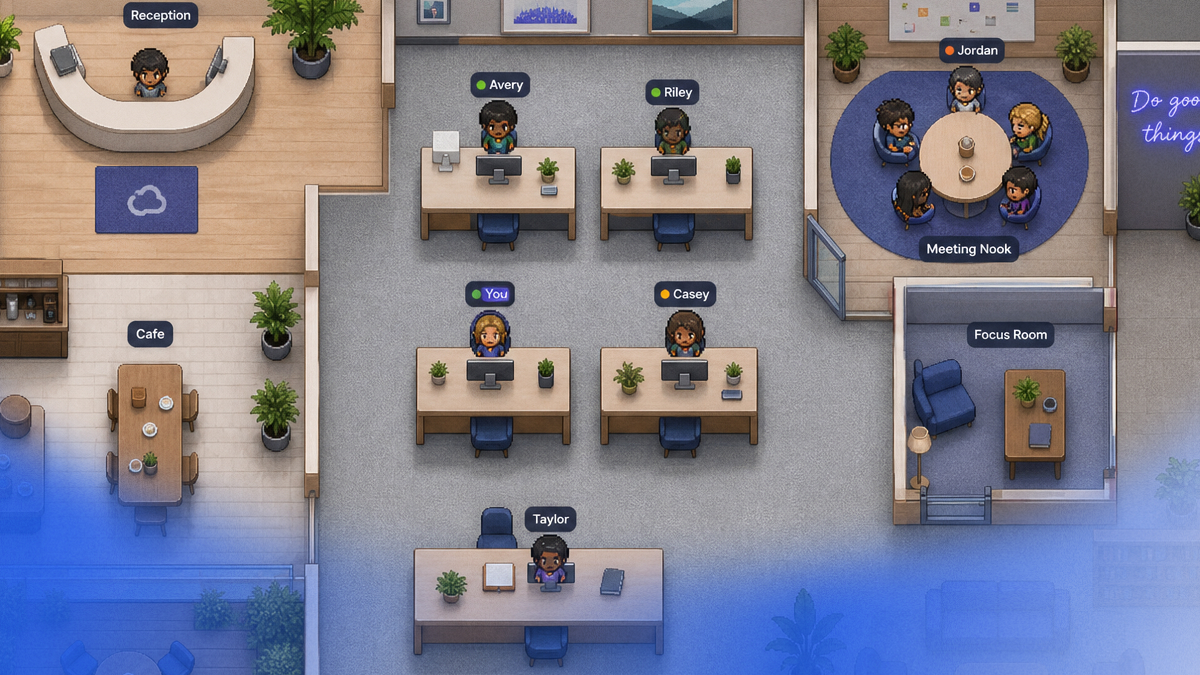
Implementing a successful hybrid workplace strategy requires a shift from monitoring hours to measuring outcomes. This transition involves utilizing digital tools that provide visibility into team activities without creating micromanagement. When teams are distributed, the primary challenge is the loss of spontaneous interaction, which is why a robust hybrid workplace strategy must include platforms that simulate the proximity of a physical office.
Core Components of a Modern Hybrid Workplace Strategy
To build a functional hybrid workplace strategy, organizations must address three fundamental pillars: policy, technology, and culture. The policy aspect defines the "rules of engagement," such as core collaboration hours when everyone must be online. Technology provides the infrastructure, including video conferencing, project management software, and presence-tracking tools. Culture focuses on maintaining a sense of belonging among employees who may rarely meet in person.
A well-structured hybrid workplace strategy often incorporates the following elements:
- Synchronous vs. Asynchronous Work: Defining which tasks require real-time meetings and which can be handled through documentation or messaging.
- Presence Awareness: Using tools like Hurbly.ai to see who is available, focused, or in a meeting in real-time.
- Office Purpose: Designing the physical office as a hub for social connection and complex brainstorming rather than individual deep work.
- Equity of Experience: Ensuring that remote participants have the same level of influence and access to information as those physically present in the office.
Enhancing Team Visibility and Spontaneous Collaboration
One of the biggest hurdles in a hybrid workplace strategy is the "visibility gap." When employees cannot see their colleagues, they often hesitate to reach out, fearing they might interrupt a deep-work session. This leads to an over-reliance on scheduled meetings, which can drain productivity. To counter this, a hybrid workplace strategy should leverage real-time presence indicators that show a coworker's current status, such as "available for a quick chat" or "busy."
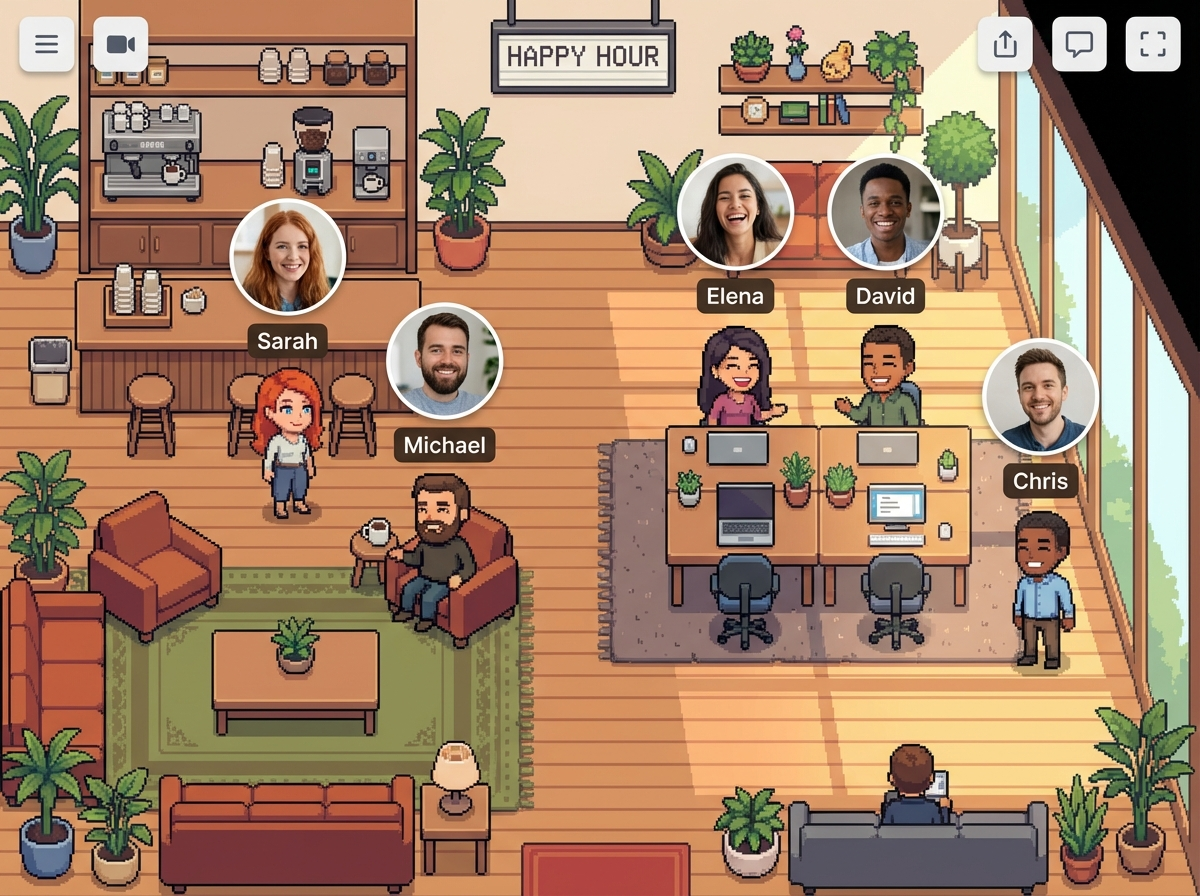
By integrating Hurbly.ai into your hybrid workplace strategy, teams can replicate the "tap on the shoulder" experience digitally. This platform allows users to see their teammates' status at a glance, facilitating instant conversations without the friction of calendar invites. Reducing the barrier to informal communication is essential for maintaining the creative spark that often occurs during unplanned interactions in a traditional office setting.
Comparative Analysis of Workplace Models in 2026
| Feature | Fully Remote | Traditional Office | Hybrid Workplace Strategy |
|---|---|---|---|
| Flexibility | Maximum | Minimum | Balanced |
| Overhead Costs | Lowest | Highest | Optimized |
| Spontaneity | Low (Scheduled) | High (Physical) | Medium-High (Digital Presence) |
| Talent Pool | Global | Local | Regional/Global |
| Team Cohesion | Challenging | High | Managed through Technology |
The table above illustrates why the hybrid workplace strategy has become the standard for modern enterprises. It offers a middle ground that captures the benefits of remote work—such as a broader talent pool and reduced commute times—while mitigating the isolation often felt in fully remote environments.
Steps to Optimize Your Hybrid Workplace Strategy
Refining a hybrid workplace strategy is an iterative process that involves gathering feedback and adjusting workflows. Organizations should start by auditing their current communication patterns to identify bottlenecks. If the team spends more than 60% of their time in scheduled meetings, the hybrid workplace strategy likely needs more focus on asynchronous tools and real-time presence indicators.
- Define Communication Protocols: Establish which channels are for urgent matters and which are for long-term projects.
- Invest in Presence Tools: Use Hurbly.ai to bridge the gap between home and office, allowing for fluid transitions between work modes.
- Establish "Office Days": Use a hybrid workplace strategy to designate specific days for in-person team building and complex problem-solving.
- Measure and Adjust: Regularly survey employees about their burnout levels and perceived productivity to fine-tune the hybrid workplace strategy.
The Role of Digital Presence in Hybrid Environments
In 2026, the success of a hybrid workplace strategy depends heavily on how well a company manages its "digital headquarters." A digital headquarters is not just a collection of apps, but a unified environment where work is visible. When a hybrid workplace strategy prioritizes transparency, it reduces the need for constant status updates. Employees can simply look at a dashboard to understand the pulse of the team.
Furthermore, a hybrid workplace strategy that utilizes real-time presence technology helps in reducing "Zoom fatigue." By enabling quick, audio-only or text-based huddles through Hurbly.ai, teams can resolve issues in minutes rather than thirty-minute blocks. This agility is a competitive advantage, allowing companies to respond faster to market changes while maintaining a healthy work-life balance for their staff.
Conclusion and Future Outlook
The hybrid workplace strategy is no longer a temporary fix but a permanent fixture of the professional landscape. As we move through 2026, the focus remains on making the digital experience as intuitive as the physical one. By combining clear policies with advanced presence tools, organizations can ensure that their hybrid workplace strategy supports both individual focus and collective innovation.
Ultimately, a hybrid workplace strategy succeeds when it empowers employees to choose the environment that best suits their current task. Whether it is a quiet home office for deep coding or a vibrant coworking space for a marketing launch, the underlying hybrid workplace strategy must provide the connectivity and visibility required to keep the team unified and moving toward shared goals.