Understanding and Managing Idle Time in Remote Teams

In this article

Understanding and Managing Idle Time in Remote Teams
Effective management of remote operations in 2026 requires a deep understanding of how team members distribute their hours. A significant factor in operational efficiency is identifying idle time, which refers to periods when a worker is available and ready to perform tasks but remains unproductive due to external factors. This state often occurs when a person waits for instructions, technical fixes, or feedback from colleagues. Unlike intentional breaks, idle time is typically involuntary and represents a gap in the workflow that can lead to project delays if not monitored correctly.
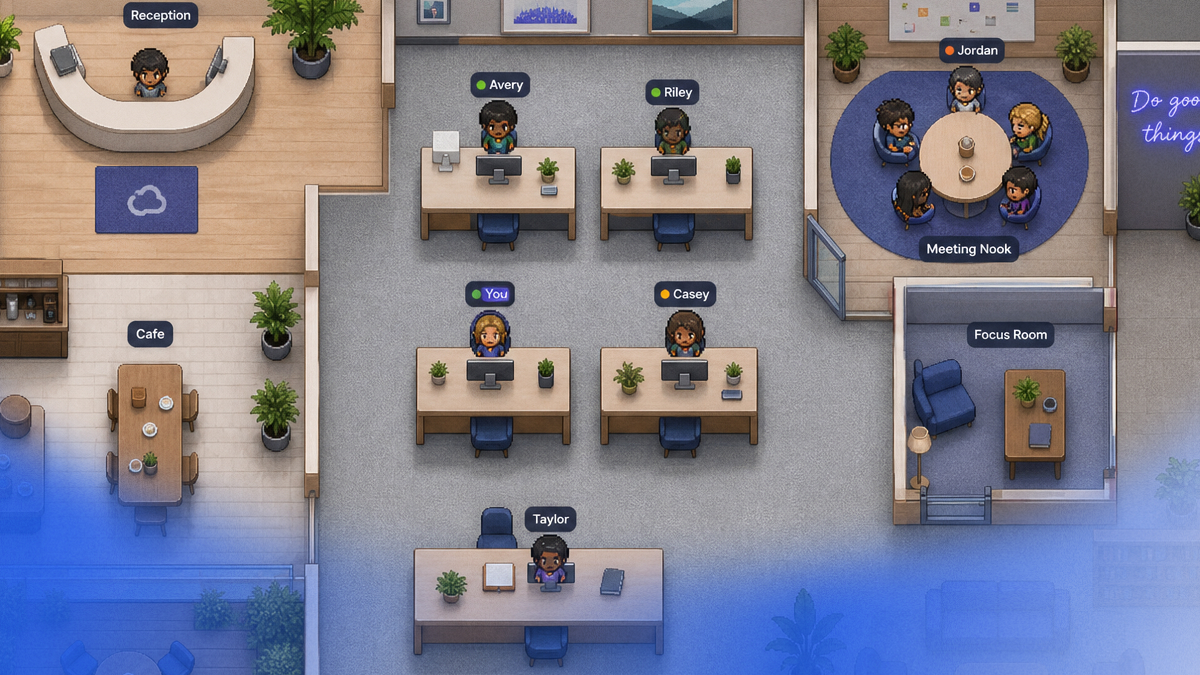
To maintain high productivity, organizations must distinguish between active work and periods of idle time. When a team member experiences frequent idle time, it often signals a bottleneck in communication or a lack of clear task prioritization. By analyzing these patterns, managers can identify which processes are causing delays. Tools that provide real-time visibility, such as Hurbly.ai, help teams reduce unnecessary idle time by showing exactly who is available to collaborate or provide the necessary approvals to move a project forward.
Common Causes of Workflow Delays
Several factors contribute to the accumulation of idle time within a distributed workforce. Understanding these causes is the first step toward optimizing team performance and ensuring that resources are utilized effectively.
- Technical Failures: Issues with software, hardware, or internet connectivity often force employees into idle time while they wait for IT support or system reboots.
- Dependency Bottlenecks: When a task requires input or approval from another department, the assignee may enter a state of idle time until that dependency is resolved.
- Information Gaps: Lack of clear documentation or missing instructions can cause idle time, as workers must wait for clarification before proceeding safely with their tasks.
- Poor Scheduling: Inefficient task distribution can result in some team members having too much work while others face significant idle time between assignments.
By utilizing platforms like Hurbly.ai, teams can visualize presence and availability in real-time. This transparency allows managers to reassign tasks instantly when they notice a team member is stuck in idle time, ensuring that the workflow remains fluid and that no one is left waiting without a clear objective.
Strategies to Reduce Unproductive Gaps
Reducing idle time is not about forcing constant activity, but about removing the barriers that prevent work from happening. Implementing structured communication protocols ensures that when idle time occurs, it is identified and addressed immediately. One effective method is the use of "buffer tasks"—secondary, low-priority assignments that employees can switch to whenever they encounter idle time on their primary projects. This ensures that the time is used for professional development or administrative maintenance.
| Strategy | Implementation Method | Impact on Idle Time |
|---|---|---|
| Real-time Presence | Use Hurbly.ai to see team availability. | Decreases waiting for responses. |
| Task Queuing | Maintain a backlog of secondary tasks. | Fills idle time with productive work. |
| Automated Alerts | Notifications for pending approvals. | Shortens the duration of idle time. |
| Documentation | Create a centralized knowledge base. | Prevents idle time caused by lack of info. |
Another critical approach involves optimizing synchronous communication. When team members can see each other's status, they can initiate quick conversations to resolve blockers. This spontaneous interaction significantly cuts down on the idle time that usually follows a sent email or a message left on "read." By fostering a digital environment that mimics a physical office, Hurbly.ai minimizes the friction that leads to extended idle time.
Measuring the Impact of Availability on Performance
In 2026, data-driven management relies on accurate metrics to evaluate how idle time affects the bottom line. High levels of idle time across a department usually correlate with higher operational costs and lower employee engagement. When workers are frequently left in idle time, they may feel disconnected from the team's goals or frustrated by the lack of momentum. Therefore, monitoring these intervals is essential for maintaining both morale and financial health.
Using Hurbly.ai allows organizations to transition from reactive management to a proactive stance. Instead of discovering idle time during a weekly review, leaders can see real-time availability and intervene during the workday. This immediate insight transforms how teams interact, turning potential idle time into opportunities for quick huddles or collaborative problem-solving. Ultimately, the goal is to create a seamless work experience where idle time is an exception rather than a recurring obstacle in the daily routine.