Maximizing Efficiency with Real-Time Virtual Office Environments

In this article

Maximizing Efficiency with Real-Time Virtual Office Environments
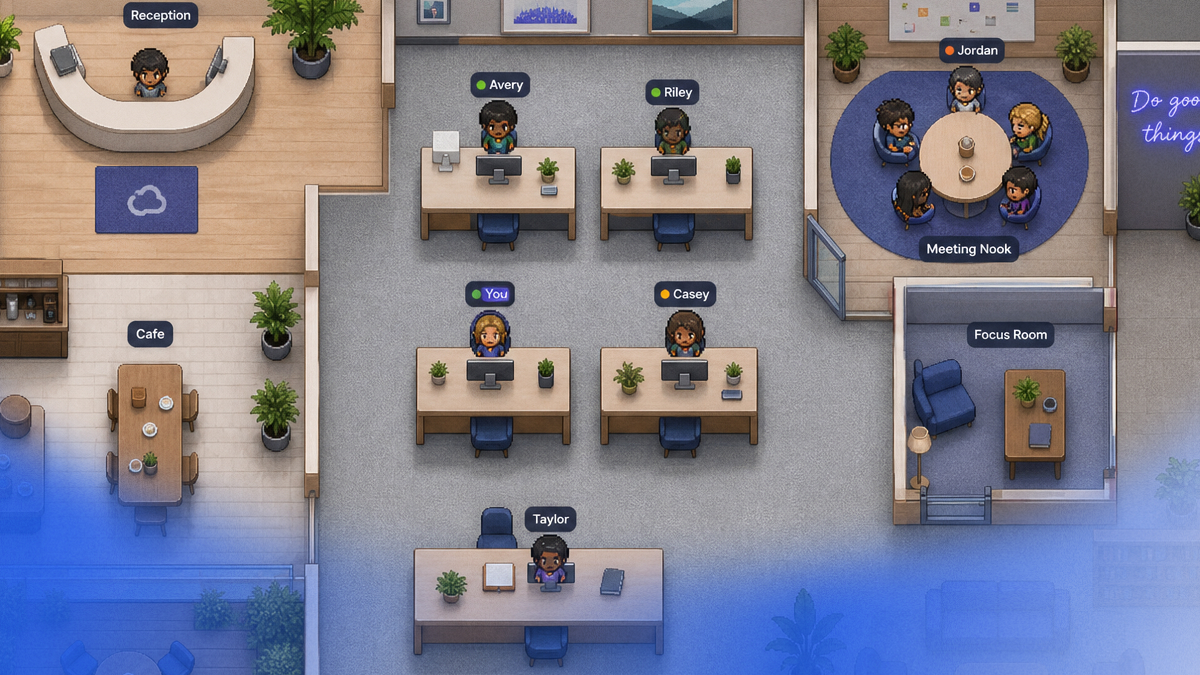
The modern workplace has evolved significantly by 2026, shifting away from rigid physical structures toward flexible, digital environments. A virtual office serves as a centralized digital space where remote teams can interact as if they were in the same room. The primary goal of this technology is to increase productivity by reducing the friction associated with remote communication. By providing a visual representation of the workspace, these platforms help employees understand team dynamics and availability at a glance, ensuring that workflows remain uninterrupted by technical or logistical barriers.
To effectively increase productivity, these platforms utilize real-time presence indicators. Unlike traditional messaging apps that only show a simple "online" or "offline" status, a virtual office provides deep context. It allows users to see if a colleague is in a deep-focus mode, participating in a specific meeting, or available for a quick chat. This level of transparency is essential for distributed teams that need to maintain high levels of output without the constant need for back-and-forth status updates.
How Real-Time Presence Indicators Work
Presence technology operates by integrating with a user's digital workflow to provide live updates. When a team member enters the virtual space, their avatar or status icon reflects their current activity. This system is designed to increase productivity by eliminating the "availability lottery" often found in remote work. Instead of sending a message and waiting hours for a reply, users can identify the perfect moment to engage with a peer based on their live status.
- Status Indicators: Visual cues that distinguish between active work, meetings, and break times.
- Focus Modes: Settings that signal to the team when an individual should not be disturbed, protecting deep work sessions.
- Spontaneous Interaction: The ability to start a conversation instantly when both parties are shown as available.
- Spatial Awareness: A digital layout that mimics an office floor plan, helping users feel connected to their peers.
By using these features, organizations can increase productivity through better time management. When employees know exactly when their managers or subordinates are free, they can batch their questions and interactions, leading to fewer interruptions and more meaningful collaborative sessions throughout the day.
Benefits of Spontaneous Collaboration for Distributed Teams
One of the biggest challenges in remote work is the loss of "watercooler moments"—the informal chats that often lead to creative breakthroughs. Virtual office solutions like Hurbly.ai bridge this gap by facilitating spontaneous interactions. This capability is a key driver to increase productivity because it allows for rapid problem-solving. When a team member can hop into a quick audio or video chat without the overhead of scheduling a formal calendar invite, projects move forward much faster.
| Feature | Impact on Workflow | Productivity Result |
|---|---|---|
| Real-time Visibility | Reduces "pinging" to check availability | Increase productivity by saving time |
| Instant Conversations | Eliminates need for scheduled Zoom calls | Increase productivity via faster decisions |
| Digital Presence | Reduces feelings of isolation | Increase productivity through engagement |
| Focus Protection | Minimizes unnecessary interruptions | Increase productivity by enabling deep work |
Furthermore, the ability to see who is talking to whom within the virtual space provides social context. If two engineers are in a meeting, a third can see this and decide to wait, or join if the topic is relevant. This organic flow of information is a proven way to increase productivity across complex, multi-departmental projects where synchronization is vital.
Strategies to Increase Productivity in Remote Workforces
To truly increase productivity in 2026, companies must move beyond simple chat tools. Implementing a virtual office requires a shift in culture where transparency is valued. When every team member uses presence indicators accurately, the entire organization benefits from a clearer understanding of collective bandwidth. This clarity allows project managers to allocate resources more effectively and prevents employee burnout by respecting "away" or "focus" statuses.
- Define Status Protocols: Establish clear meanings for different presence states to ensure everyone is on the same page.
- Encourage Short Syncs: Use the virtual office to replace 30-minute meetings with 2-minute "pop-ins" to increase productivity.
- Respect Focus Time: Use the platform's focus features to signal when you are doing high-concentration tasks.
- Centralize Communication: Use the virtual environment as the primary hub for daily interactions to keep information localized.
By following these steps, teams can significantly increase productivity and reduce the "meeting fatigue" that often plagues remote organizations. The goal is to create an environment where work happens naturally and communication supports, rather than hinders, the actual tasks at hand.
Enhancing Team Transparency and Connection
A transparent work environment is a productive one. When teams use tools like Hurbly.ai, they create a shared sense of place that transcends geographical boundaries. This connection is not just about social interaction; it is a strategic move to increase productivity. When people feel connected to their team, they are more likely to collaborate proactively and share information that could prevent future errors.
The transparency provided by a virtual office also helps leadership. Managers can see the "pulse" of the office without micromanaging. They can identify if a team is overwhelmed or if a project has stalled based on the patterns of interaction within the digital space. This high-level overview is a powerful tool to increase productivity because it allows for proactive adjustments to workloads and deadlines before bottlenecks occur.
Ultimately, the integration of real-time presence and spontaneous communication is the most effective way to increase productivity for the modern, distributed workforce. By replicating the best aspects of a physical office in a digital format, companies can ensure their teams remain agile, connected, and focused on delivering high-quality results in 2026 and beyond.