Essential Leadership Lessons for Managing Remote and Distributed Teams in 2026

In this article

Essential Leadership Lessons for Managing Remote and Distributed Teams in 2026
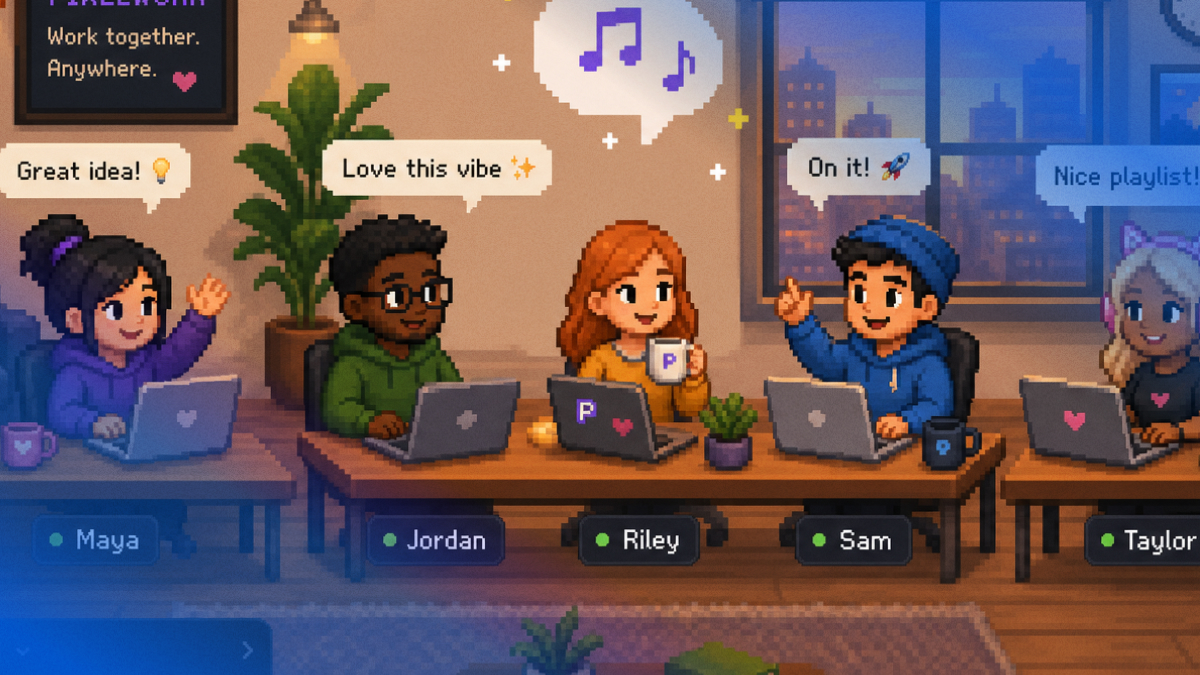
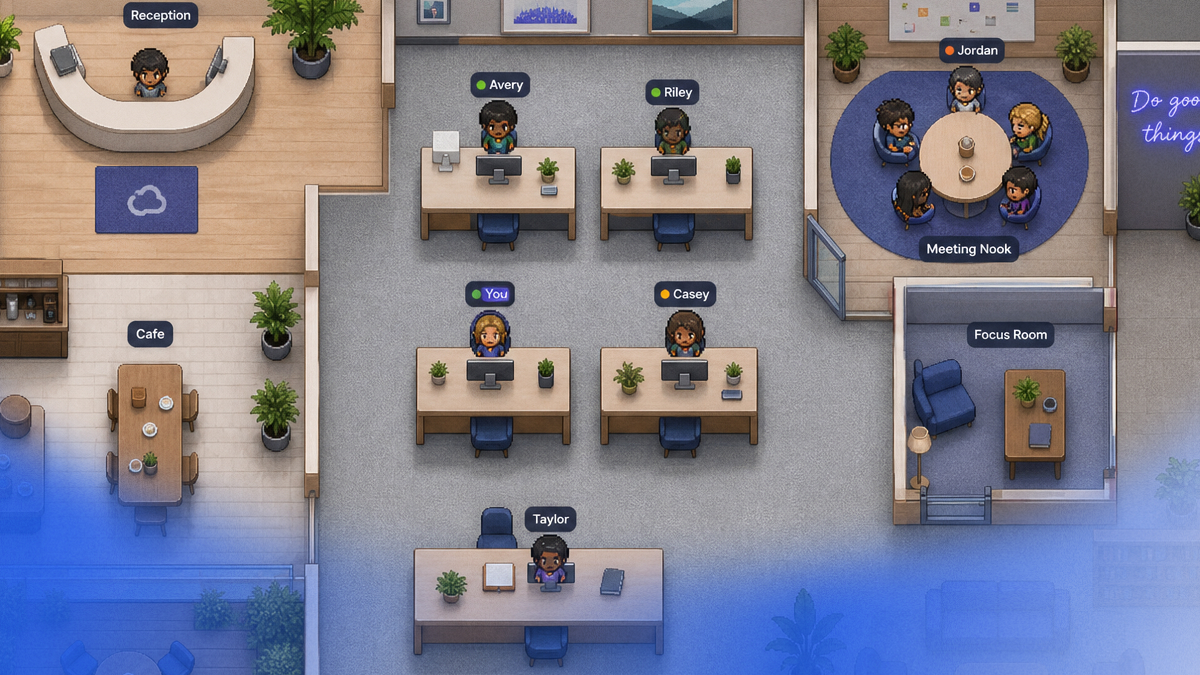
Effective management in a digital-first world requires a shift from traditional oversight to fostering organic engagement. One of the most important leadership lessons involves understanding that physical distance should not equate to emotional or operational disconnection. In 2026, successful managers prioritize transparency and presence over rigid scheduling. By utilizing tools like Hurbly.ai, leaders can recreate the spontaneous interactions of a physical office, allowing team members to see who is available, focused, or in a meeting in real-time.
Modern leadership lessons emphasize the importance of reducing "meeting fatigue." Instead of filling calendars with 30-minute syncs for simple questions, effective leaders use virtual office platforms to facilitate "walk-up" conversations. This approach mimics the natural flow of a workspace, where a quick visual cue indicates if a colleague is open for a brief chat. Implementing these leadership lessons helps maintain momentum and prevents the communication bottlenecks often found in remote environments.
Building Trust Through Real-Time Visibility and Transparency
Trust is the foundation of any high-performing team, and among the core leadership lessons for the current era is the replacement of surveillance with visibility. Rather than tracking keystrokes, leaders should focus on availability indicators that empower employees. Platforms such as Hurbly.ai provide this visibility, showing current status and presence without intrusive monitoring. This transparency allows team members to manage their own time while staying connected to the collective pulse of the organization.
When analyzing leadership lessons regarding team cohesion, the data shows that informal interactions are vital for psychological safety. When employees can see their peers working alongside them in a digital space, it reduces the feeling of isolation. These leadership lessons teach us that a "presence-first" culture encourages spontaneous problem-solving and strengthens interpersonal bonds, which are often lost in text-heavy communication channels.
Strategies for Enhancing Digital Collaboration and Presence
Integrating presence-based technology requires a strategic approach to team habits. The following table illustrates how applying specific leadership lessons can transform common remote work challenges into opportunities for growth:
| Challenge | Traditional Remote Approach | Presence-Based Approach (2026) |
|---|---|---|
| Communication | Scheduled video calls only | Instant, informal interactions |
| Visibility | Status updates in chat apps | Real-time presence indicators |
| Coordination | Back-and-forth messaging | Visual cues of availability |
| Culture | Isolated tasks | Shared virtual office environment |
Applying these leadership lessons ensures that the team remains agile. For instance, knowing a colleague is "focused" prevents unnecessary interruptions, while seeing them "available" invites quick collaboration. This nuance is a critical part of the leadership lessons learned by top-tier managers who want to balance individual deep work with team accessibility.
Practical Steps to Implement a Virtual Office Culture
To successfully transition to a virtual office model, leaders must guide their teams through a clear process. These leadership lessons suggest a phased implementation to ensure everyone feels comfortable with new visibility tools:
- Define Availability Norms: Establish what different status indicators mean for your specific workflow to avoid ambiguity.
- Encourage Spontaneity: Lead by example by dropping in for quick, unscheduled chats instead of sending calendar invites for every minor topic.
- Respect Focus Time: Use the platform to signal when deep work is happening, teaching the team to value uninterrupted time as much as collaboration.
- Evaluate and Adjust: Regularly review how the digital presence affects productivity and team morale, a staple among ongoing leadership lessons.
By following these steps, organizations can leverage Hurbly.ai to bridge the gap between remote flexibility and office-like connectivity. These leadership lessons highlight that the goal is not to replicate the past, but to evolve communication for a more fluid and less frictional future.
Why Presence-First Leadership is the Future of Work
The final set of leadership lessons for 2026 centers on the sustainability of remote work. Long-term success in distributed environments depends on reducing the cognitive load of coordination. When leaders provide tools that show real-time status, they remove the guesswork from the workday. This clarity is one of the most valuable leadership lessons because it directly impacts employee retention and satisfaction by reducing the stress of "always-on" expectations.
Ultimately, the most impactful leadership lessons remind us that technology should serve human connection. By using a virtual office to see coworkers' current status and start instant conversations, teams can maintain the social fabric that drives innovation. Embracing these leadership lessons allows managers to build resilient, transparent, and highly collaborative teams, regardless of where each member is physically located.