Understanding Effective Leadership Styles for Remote Team Collaboration

In this article

Understanding Effective Leadership Styles for Remote Team Collaboration
Effective management in the year 2026 requires a deep understanding of various leadership styles to navigate the complexities of distributed work. As teams become more global and asynchronous, the way a leader interacts with their members determines the overall productivity and psychological safety of the digital workspace. Choosing the right leadership styles involves analyzing the team's maturity, the urgency of tasks, and the specific communication tools available to the group.
In a remote setting, leadership styles must adapt to the lack of physical cues. Traditional management often relied on visual supervision, but modern approaches prioritize outcomes and trust. By implementing diverse leadership styles, managers can cater to individual needs, ensuring that every team member feels seen and supported despite the physical distance between them.
The Impact of Different Leadership Styles on Team Dynamics
The choice of leadership styles directly influences how information flows within an organization. For instance, a democratic approach encourages participation and collective decision-making, which is highly effective for creative projects. Conversely, more directive leadership styles might be necessary during a crisis or when meeting tight deadlines, providing the clear instructions needed to move forward without hesitation.
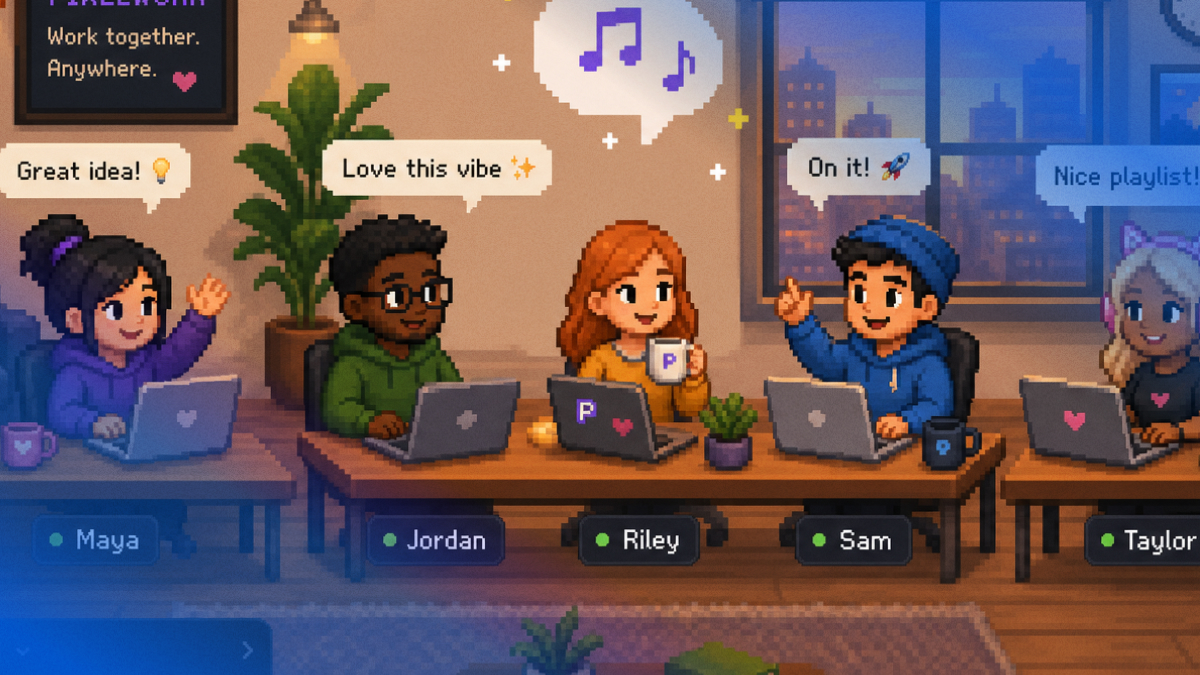
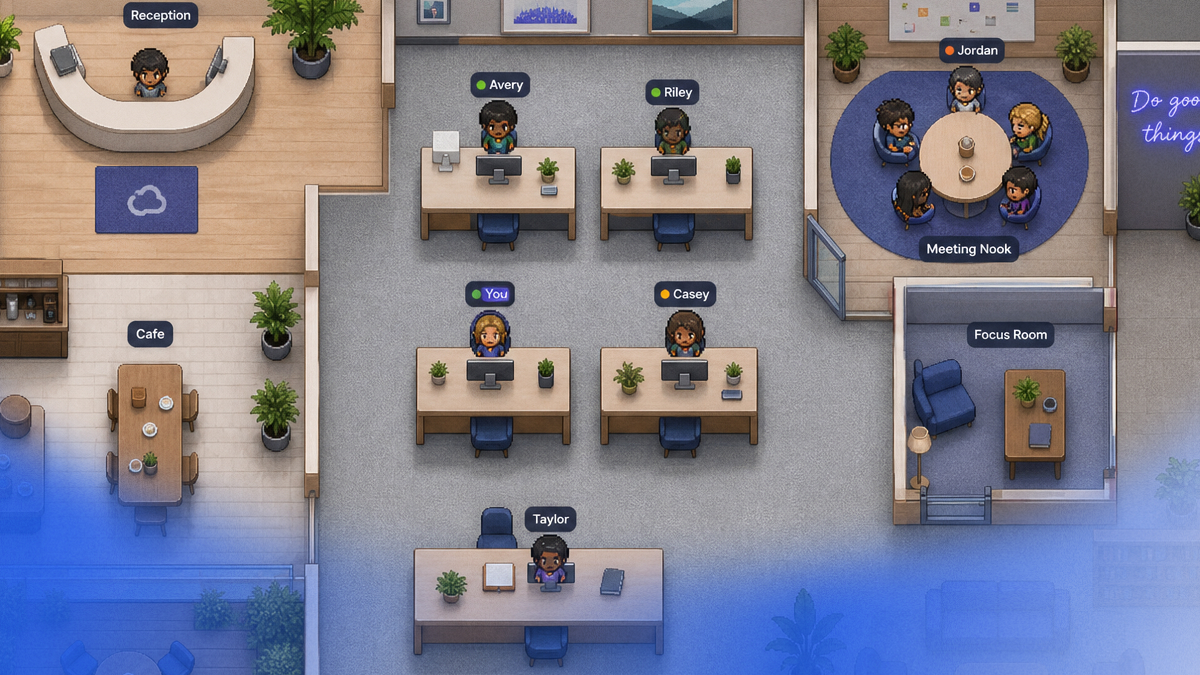
Understanding these leadership styles helps in creating a balanced environment. A leader who can pivot between different leadership styles based on the situation is more likely to maintain high morale. This flexibility is essential when using tools like hurbly.ai, which provides real-time visibility into team presence, allowing leaders to see who is available for a quick chat or who is deep in focus before deciding which approach to take.
Implementing Leadership Styles in a Virtual Office
Integrating specific leadership styles into a virtual office environment requires intentionality. Because spontaneous interactions are harder to achieve digitally, leaders must use technology to facilitate the "open door" policy common in physical spaces. By utilizing hurbly.ai, managers can apply supportive leadership styles by noticing when a team member has been in "focus mode" for a long time and offering a quick, informal check-in once they become available.
| Leadership Style | Core Characteristic | Best Use Case in 2026 |
|---|---|---|
| Transformational | Inspires through vision | Long-term digital transformation projects |
| Servant Leadership | Prioritizes team needs | Supporting remote employee well-being |
| Laissez-faire | High autonomy | Managing senior experts and freelancers |
| Coaching | Skill development | Onboarding new talent in a distributed setup |
The table above illustrates how various leadership styles serve different strategic purposes. For example, servant leadership styles are particularly relevant in 2026 as mental health and work-life balance remain top priorities for remote workers. By focusing on the growth and well-being of the team, leaders foster a culture of loyalty and high performance.
How Real-Time Presence Supports Diverse Leadership Styles
Modern technology acts as a bridge for various leadership styles by providing data that was previously only available in person. When a leader can see real-time status indicators, they can exercise more nuanced leadership styles. Instead of interrupting a workflow with a scheduled meeting, a leader can wait for a natural gap in activity, mimicking the casual "walk-by" interaction of a physical office.
- Observation: Use presence indicators to monitor team rhythms without micromanaging.
- Selection: Choose the most appropriate leadership styles based on the current team workload.
- Engagement: Initiate instant, informal conversations to resolve blockers quickly.
- Feedback: Provide real-time encouragement when tasks are completed.
This structured approach ensures that leadership styles remain proactive rather than reactive. By leveraging platforms like hurbly.ai, leaders can maintain a pulse on the team's energy levels and availability. This visibility is the foundation for successful leadership styles that aim to reduce friction and improve the fluidity of collaboration across different time zones and locations.
Choosing the Right Leadership Styles for Your Organization
Selecting the most effective leadership styles is not a one-time decision but an ongoing process of refinement. Organizations must evaluate their cultural goals and the technical proficiency of their staff. In 2026, the most successful entities are those that train their managers to master multiple leadership styles, allowing them to be authoritative when necessary and empathetic when the situation demands.
Ultimately, the goal of exploring different leadership styles is to create a transparent and cohesive work environment. When leaders use the right tools to stay connected with their teams, they can implement their chosen leadership styles more effectively, ensuring that every team member, regardless of their location, feels like an integral part of the office. Using hurbly.ai helps bridge the gap between digital distance and human connection, making the application of these styles more natural and impactful.