Understanding the Role of Live Chat Software in Modern Digital Communication

In this article

Understanding the Role of Live Chat Software in Modern Digital Communication
In 2026, communication dynamics have shifted toward instant accessibility. A live chat software serves as a digital interface that allows real-time text, voice, or video interaction between two or more parties. Unlike traditional email, which relies on asynchronous exchange, this technology facilitates immediate feedback loops. By integrating a live chat software into a workflow, organizations can resolve queries faster and maintain a continuous stream of information.
The core functionality of a live chat software involves establishing a persistent connection between users. When a user initiates a session, the system routes the request to an available agent or team member. This process reduces the "waiting friction" often found in ticket-based systems. Furthermore, modern live chat software implementations often include presence indicators, showing whether a participant is online, away, or busy, which helps manage expectations regarding response times.
Enhancing Remote Team Presence with Real-Time Tools
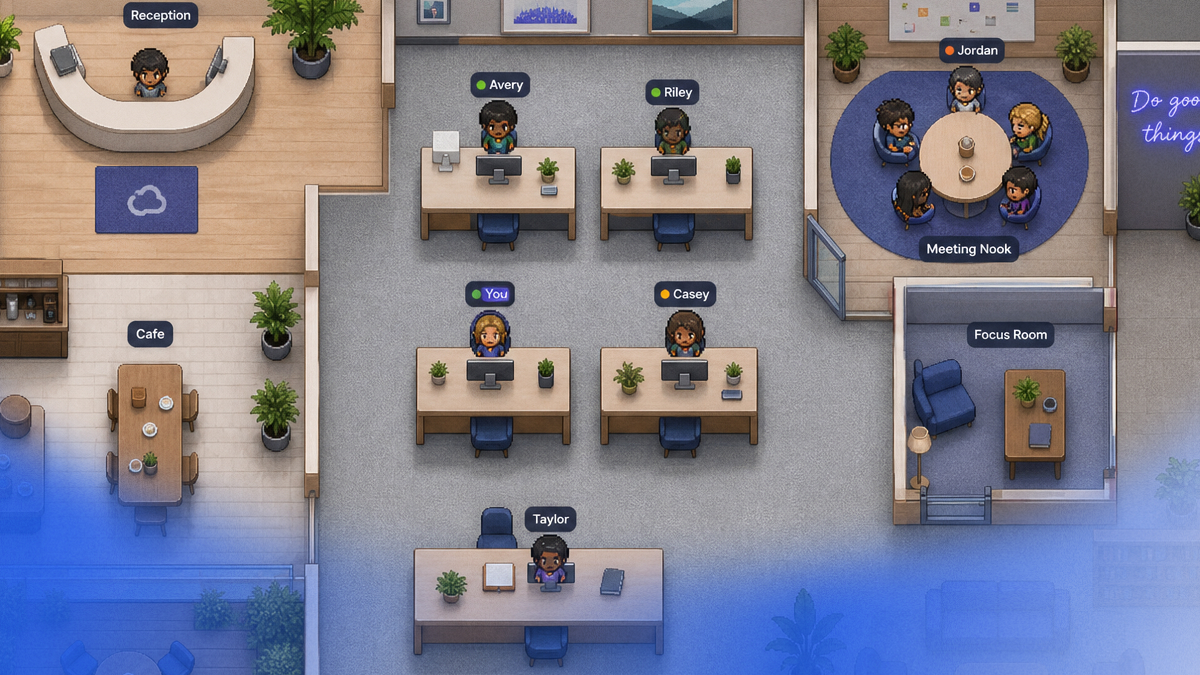
Remote work environments often struggle with the "visibility gap," where team members feel isolated or unaware of their colleagues' activities. Utilizing a live chat software helps bridge this gap by providing a central hub for spontaneous interaction. Instead of scheduling formal meetings for minor questions, employees use live chat software to simulate the "desk-side" chat found in physical offices. This immediacy is a cornerstone of maintaining high velocity in distributed projects.
Platforms like Hurbly.ai take this concept further by combining presence awareness with communication tools. While a standard live chat software focuses on the message exchange, the integration of real-time status updates allows teams to see who is focused or available before they even send a message. This synergy between presence tracking and live chat software ensures that interruptions are minimized while collaborative opportunities are maximized.
Key Technical Features of Effective Communication Platforms
To be effective, a live chat software must possess specific technical attributes that cater to professional demands. These features ensure that the tool is not just a messaging app but a robust part of the corporate infrastructure.
- Real-time Synchronization: Messages must sync across all devices instantly to prevent data silos.
- Presence Status: Indicators that show if a user is in a meeting, focused, or available for a quick call.
- File Sharing and Integration: The ability to send documents directly within the live chat software interface.
- Encryption and Security: Ensuring that all conversations remain private and compliant with data protection laws.
- History Search: A searchable database of past interactions to retrieve information quickly.
When these features are combined, the live chat software becomes a searchable knowledge base. This is particularly useful for onboarding new employees who can review previous discussions to understand project contexts.
Comparing Communication Methods in 2026
The choice of communication tool depends on the urgency and complexity of the task. The following table illustrates how live chat software compares to other common methods:
| Feature | Video Conferencing | Live Chat Software | |
|---|---|---|---|
| Response Speed | Slow (Hours/Days) | Immediate (Scheduled) | Immediate (Spontaneous) |
| Context | Formal/Documentary | Visual/Deep Discussion | Quick/Operational |
| Presence Awareness | None | High (During call) | Constant/Real-time |
| Effort Level | Medium | High | Low |
As shown, the live chat software fills the middle ground, offering the speed of a call with the low effort of a text message. For teams using Hurbly.ai, the addition of virtual office features makes the live chat software experience feel more natural and less intrusive than a sudden video invitation.
How Live Chat Software Supports Distributed Workflows
In a distributed team, the primary goal is to reduce the time spent on coordination. A live chat software facilitates this by allowing for "micro-coordination." This involves small, frequent updates that keep everyone aligned without the need for lengthy status meetings. Because a live chat software allows for persistent rooms or channels, information stays organized by topic or department.
- Initiating Contact: A team member checks the presence status of a colleague.
- Sending the Query: If the colleague is available, the user sends a message via the live chat software.
- Real-time Resolution: The issue is discussed and resolved in seconds.
- Logging: The interaction is saved automatically, providing a trail of the decision-making process.
By following this workflow, teams avoid the "inbox clutter" that often slows down production. The use of live chat software ensures that the most relevant information is always at the fingertips of those who need it.
The Future of Virtual Offices and Instant Messaging
The evolution of the digital workspace is leaning toward environments that replicate physical proximity. Integrating a live chat software into a virtual office platform allows users to "see" their office layout and interact with colleagues as if they were sitting in the same room. This reduces the psychological distance between remote workers and fosters a stronger company culture.
As we move forward, the live chat software will continue to evolve, incorporating more sophisticated presence data. Tools like Hurbly.ai are leading this change by focusing on "who is where" and "who is doing what." When a live chat software is aware of a user's context, it can suggest the best time to reach out, further optimizing human energy and focus in the workplace. Using a live chat software is no longer just about sending text; it is about maintaining a continuous, healthy, and productive team presence.