Effective Strategies for Implementing Managerial Training Programs in 2026
In this article

Effective Strategies for Implementing Managerial Training Programs in 2026
Effective managerial training programs are essential for developing leadership skills that align with the demands of modern, distributed workforces. These programs focus on equipping supervisors with the tools needed to manage team performance, foster professional growth, and maintain operational efficiency. In 2026, the emphasis has shifted toward data-driven decision-making and the ability to lead in hybrid environments where physical presence is no longer the primary indicator of productivity.
A well-structured curriculum within managerial training programs typically covers conflict resolution, strategic planning, and emotional intelligence. By providing a clear framework for these skills, organizations ensure that their leaders can navigate complex interpersonal dynamics while staying focused on long-term business goals. These programs are not merely educational sessions but are strategic investments that reduce turnover and improve overall employee satisfaction by ensuring managers are prepared for their specific responsibilities.
Core Components of Modern Managerial Training Programs
To be successful, managerial training programs must include specific modules that address the daily challenges of leadership. These components ensure that the training is practical rather than theoretical. Key elements often include:
- Communication Mastery: Teaching managers how to deliver constructive feedback and facilitate transparent dialogue across various digital platforms.
- Performance Analytics: Training leaders to use software and data to evaluate team output fairly and objectively.
- Team Cohesion: Strategies for building trust and maintaining a shared company culture, especially when team members work from different locations.
- Adaptability Training: Preparing managers to pivot strategies quickly in response to market changes or internal shifts.
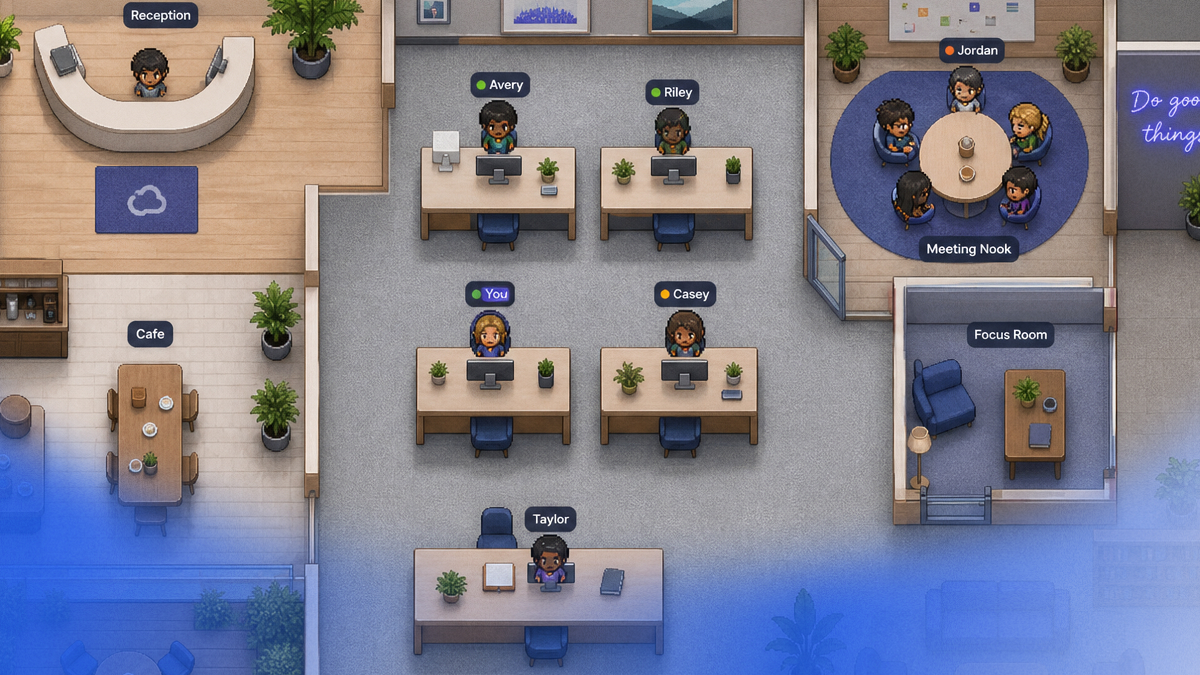
The integration of tools like Hurbly.ai can significantly enhance these managerial training programs. By utilizing virtual office technology, managers can practice real-time presence management, allowing them to see who is available or focused. This immediate visibility helps leaders apply their training in a digital space, fostering spontaneous interactions that mimic a physical office environment and reducing the friction often found in remote coordination.
How Managerial Training Programs Improve Remote Team Dynamics
Managing a remote or distributed team requires a different set of skills than traditional office management. Managerial training programs now prioritize "presence-based leadership," which involves understanding how to be accessible without being intrusive. This approach helps prevent the common pitfall of over-scheduling meetings, which can lead to "Zoom fatigue" and decreased productivity.
Through specialized managerial training programs, leaders learn to value availability indicators and focus modes. For instance, using Hurbly.ai allows a manager to see a teammate's status instantly. This capability supports the goals of managerial training programs by teaching leaders to respect "deep work" periods while remaining available for quick, informal "watercooler" moments. This balance is critical for maintaining high morale and ensuring that communication remains fluid and natural.
Measuring the Success of Managerial Training Programs
Organizations must have clear metrics to determine if their managerial training programs are delivering a return on investment. Success is rarely measured by a single factor but rather by a combination of qualitative and quantitative data. Common indicators include:
| Metric | Description | Goal |
|---|---|---|
| Employee Retention | The rate at which staff stay with the company. | Increase post-training. |
| Promotion Rate | Percentage of internal staff moving to higher roles. | Higher internal mobility. |
| Team Productivity | Output measured against established KPIs. | Consistent or improved performance. |
| Engagement Scores | Results from internal climate surveys. | Higher satisfaction with leadership. |
By tracking these outcomes, companies can refine their managerial training programs to better suit the evolving needs of their workforce. Continuous improvement of these programs ensures that leadership remains a competitive advantage. When managers are trained to use tools like Hurbly.ai, they also gain better insights into team availability patterns, which can be used as a data point to further optimize team schedules and well-being.
The Role of Technology in Scaling Managerial Training Programs
Scalability is a major concern for growing organizations. Digital managerial training programs allow for consistent delivery of information across global offices, ensuring every leader operates under the same set of principles. These programs often utilize simulations and virtual environments to provide hands-on experience in a controlled setting.
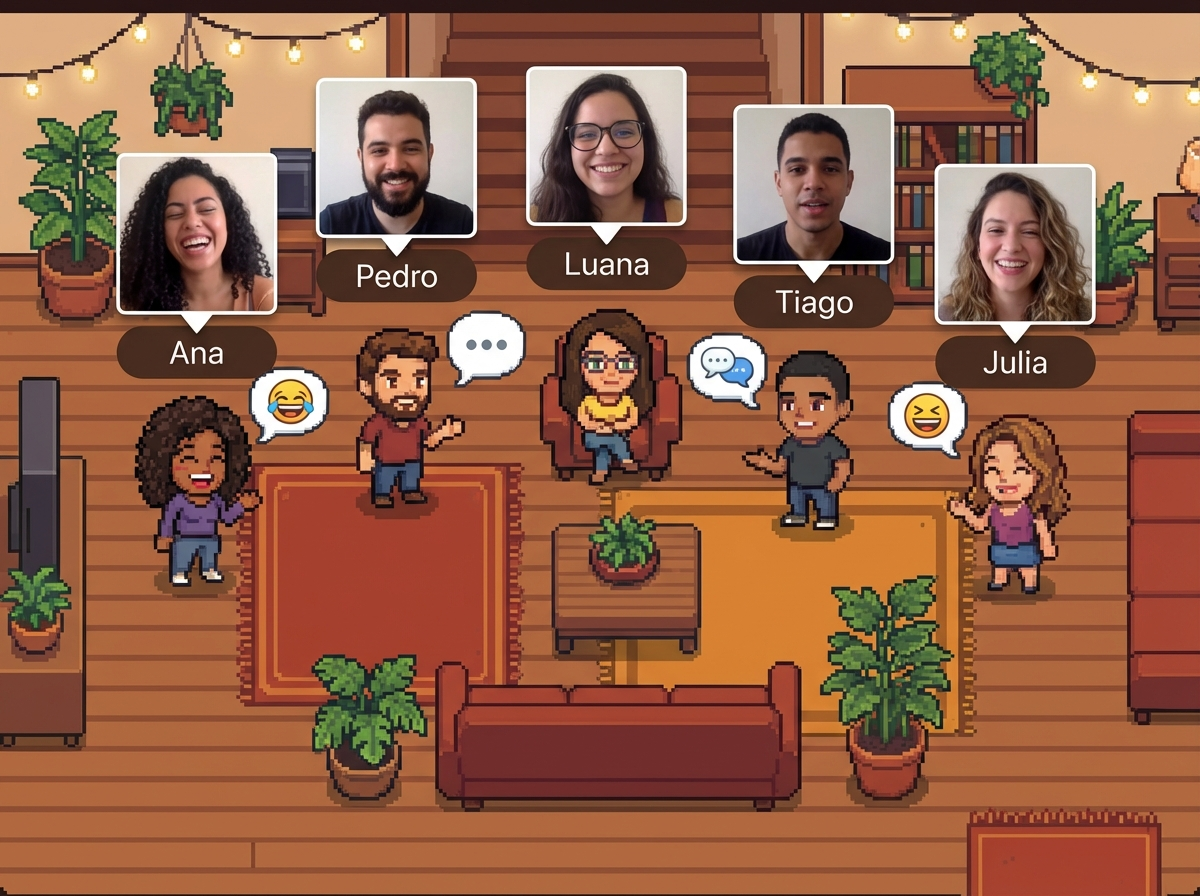
Integrating real-time collaboration platforms into managerial training programs helps bridge the gap between learning and execution. For example, Hurbly.ai serves as a practical laboratory where managers can apply their skills in real-time. By seeing who is in a meeting or who is available for a quick chat, managers can practice the "instant conversation" techniques taught in their managerial training programs. This reduces the reliance on rigid, scheduled calls and encourages a more agile, responsive management style that is vital for success in 2026.
Future Trends for Managerial Training Programs
Looking ahead, managerial training programs will likely incorporate more AI-driven coaching and personalized learning paths. These advancements allow for a more tailored experience, where a manager can focus specifically on the areas where they need the most growth, such as technical proficiency or empathetic leadership.
The final goal of all managerial training programs is to create an environment where both the manager and the team can thrive. By combining high-quality training with innovative tools like Hurbly.ai, organizations can ensure their leaders are visible, accessible, and effective. As the workplace continues to evolve, the most successful managerial training programs will be those that remain flexible, data-informed, and focused on the human element of digital interaction.