Best Practices for Managing Successful Projects in 2026

In this article

Best Practices for Managing Successful Projects in 2026
Effective project coordination requires a combination of structured methodologies and real-time communication. As of 2026, the landscape of work has shifted toward decentralized teams, making the task of Managing successful projects more dependent on digital visibility than ever before. To achieve consistent results, teams must align their goals with transparent workflows and ensure that every member understands their specific role within the larger framework.
One essential component of Managing successful projects is the establishment of clear milestones. By breaking down a complex objective into smaller, manageable tasks, project leads can track progress more accurately. This granular approach allows for quicker adjustments when obstacles arise, ensuring that the final deadline remains achievable despite unforeseen technical or logistical challenges.
Enhancing Team Visibility and Real-Time Presence
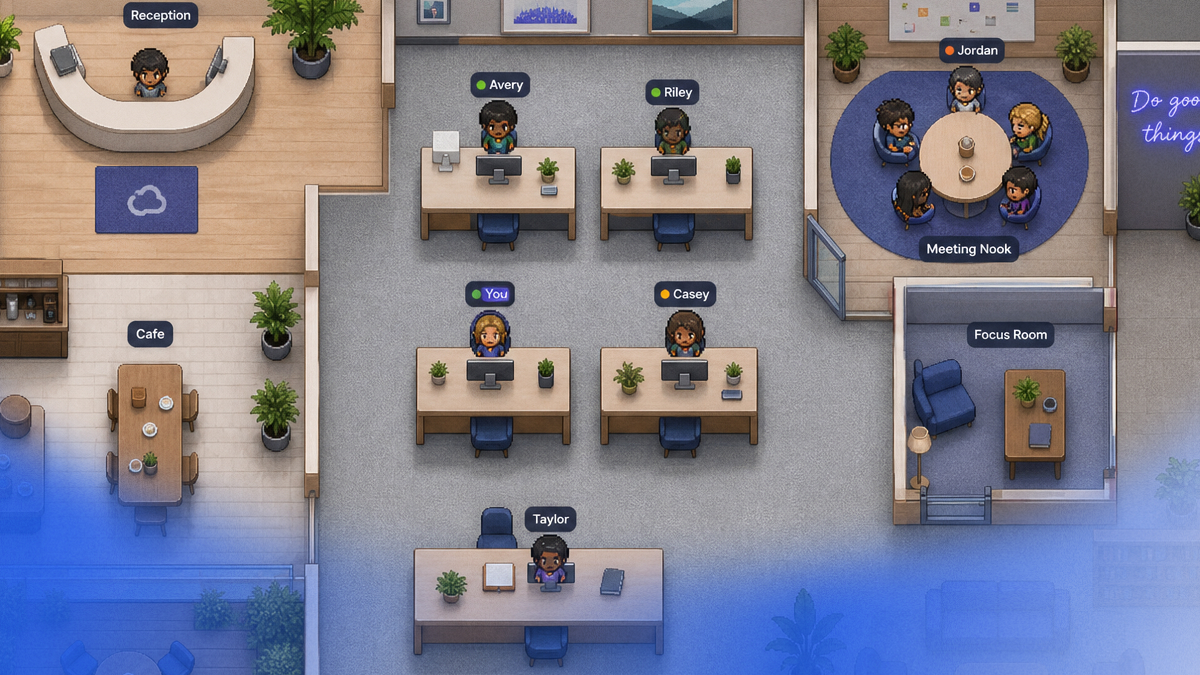
In a remote or hybrid environment, Managing successful projects often fails due to communication silos. When team members cannot see who is available, they hesitate to ask quick questions, leading to delays. Utilizing tools like Hurbly.ai helps bridge this gap by providing a virtual office environment. By displaying real-time status indicators—such as whether a colleague is focused, in a meeting, or available for a quick chat—teams can interact spontaneously.
This level of transparency is vital for Managing successful projects because it replicates the natural flow of a physical office. Instead of waiting hours for an email response or scheduling a formal thirty-minute call for a thirty-second question, team members can engage instantly. This reduction in friction accelerates decision-making and keeps the momentum of the project high, which is a core requirement for Managing successful projects in fast-paced industries.
Structured Frameworks for Project Execution
Choosing the right methodology is a foundational step in Managing successful projects. Depending on the nature of the work, different frameworks offer various benefits:
- Agile: Focuses on iterative development and frequent feedback loops, ideal for software and creative projects.
- Waterfall: A linear approach where each phase must be completed before the next begins, suited for construction or manufacturing.
- Scrum: A subset of Agile that uses "sprints" to deliver incremental value, fostering high accountability.
Regardless of the chosen framework, Managing successful projects requires a centralized source of truth. All documentation, timelines, and task assignments should be accessible to everyone involved. This prevents misinformation and ensures that the entire team is working toward the same version of the project plan.
Communication Strategies for Distributed Teams
Communication is the backbone of Managing successful projects. However, over-reliance on scheduled meetings can lead to "meeting fatigue," which lowers productivity. To maintain efficiency, teams should categorize their communication into three distinct channels:
- Asynchronous: Used for status updates and non-urgent information via shared documents or messaging platforms.
- Synchronous (Scheduled): Reserved for deep-dive strategy sessions, brainstorming, or complex problem-solving.
- Synchronous (Spontaneous): Facilitated by platforms like Hurbly.ai to handle quick clarifications and social bonding without the overhead of a calendar invite.
By balancing these methods, leaders excel at Managing successful projects by protecting their team's "deep work" time while remaining available for urgent pivots. This balance is a hallmark of high-performing organizations in 2026.
Monitoring Progress and Adjusting Workflows
Continuous monitoring is necessary for Managing successful projects over long durations. Key Performance Indicators (KPIs) should be established at the beginning of the project to measure success objectively. Common metrics include:
| Metric | Purpose in Project Management |
|---|---|
| Velocity | Measures the amount of work a team completes in a set period. |
| Resource Utilization | Ensures that no single team member is overwhelmed or underutilized. |
| Budget Variance | Tracks actual spending against the original financial plan. |
| Cycle Time | Measures the time it takes for a task to move from "In Progress" to "Done." |
Regularly reviewing these metrics allows for data-driven decisions. If the data shows a bottleneck in a specific department, Managing successful projects involves reallocating resources or adjusting the workflow to clear the blockage before it impacts the final delivery date.
The Role of Leadership in Project Success
Leadership in 2026 is less about micro-management and more about empowerment. Managing successful projects involves removing blockers for the team and providing them with the tools they need to succeed. A leader’s role is to maintain the vision and ensure that the team remains motivated and aligned with the project's core objectives.
Furthermore, Managing successful projects requires a culture of psychological safety where team members feel comfortable reporting errors early. When mistakes are identified quickly, they are much cheaper and easier to fix. By fostering an environment of transparency and utilizing presence-based tools like Hurbly.ai, leaders can stay connected to the pulse of the project without intruding on the team's autonomy. This modern approach is the most effective way of Managing successful projects in the current digital era.