Effective Meeting Agenda Format for Remote Team Productivity
In this article

Effective Meeting Agenda Format for Remote Team Productivity
A structured meeting agenda format is the foundation of any productive professional gathering. In 2026, as distributed work becomes the standard, the way we organize our time determines the efficiency of our results. A well-defined meeting agenda format ensures that every participant understands the purpose of the discussion, the topics to be covered, and the expected outcomes. Without this structure, meetings often drift into unproductive tangents, wasting valuable time for remote teams and freelancers alike.
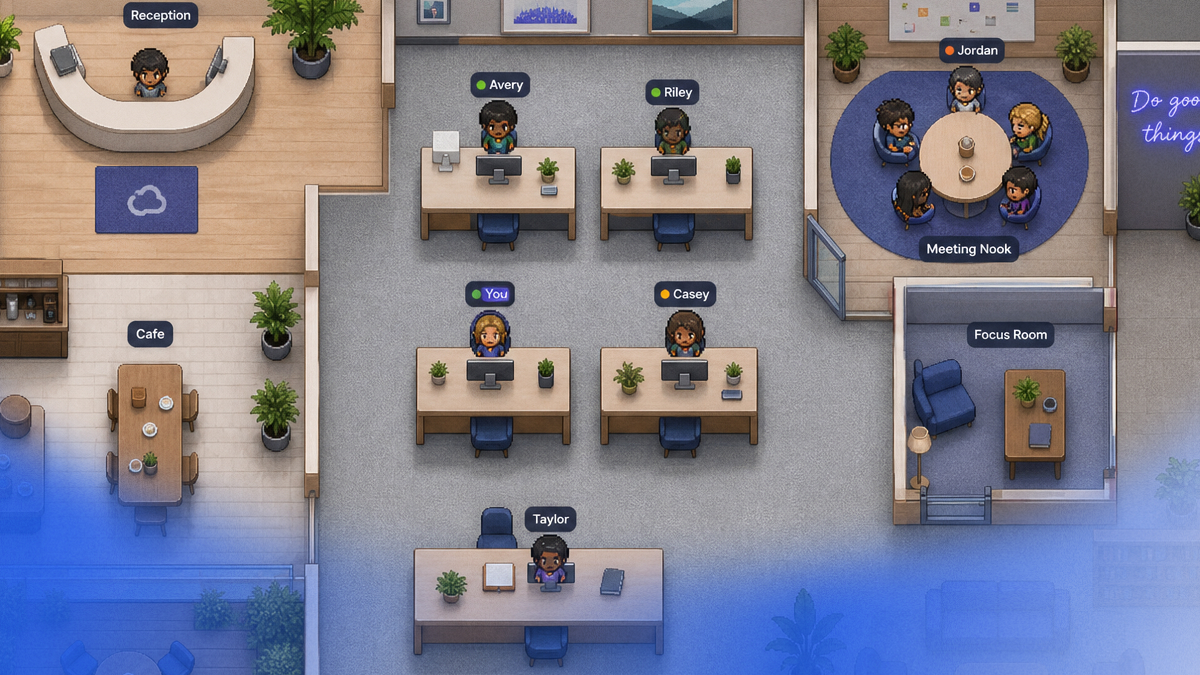
To optimize collaboration, a meeting agenda format should be shared at least 24 hours in advance. This allows participants to prepare their insights and review necessary data. Platforms like Hurbly.ai complement this preparation by showing real-time availability, helping managers identify the best moments to schedule these sessions based on the team's current focus or presence status. By combining a clear document with real-time visibility, teams reduce the friction often found in digital coordination.
Core Elements of a Professional Meeting Agenda Format
Every effective meeting agenda format must include specific data points to guide the conversation. At a minimum, it should list the meeting objective, a timed list of topics, and the designated lead for each section. This level of detail prevents a single individual from dominating the conversation and ensures that all critical points are addressed within the allotted timeframe.
When building your meeting agenda format, consider including the following structural components:
- Objective Statement: A single sentence defining what success looks like for the meeting.
- Participant List: Names of required attendees and their specific roles in the discussion.
- Time Allocations: Specific minutes assigned to each topic to maintain momentum.
- Preparation Requirements: Links to documents or data that must be read beforehand.
Using a consistent meeting agenda format allows teams to develop a rhythm. When employees know exactly how information will be presented, they spend less time navigating the process and more time contributing to the actual problem-solving. This predictability is essential for maintaining high performance in virtual environments where non-verbal cues are less frequent.
Step-by-Step Guide to Creating a Meeting Agenda Format
- Identify the Primary Goal: Determine if the meeting is for decision-making, brainstorming, or information sharing. This choice dictates the entire meeting agenda format.
- Solicit Input from Attendees: Ask team members if there are urgent items that need to be added to the list. This increases engagement and ensures the meeting agenda format is comprehensive.
- Prioritize High-Impact Topics: Place the most important items at the beginning of the list. This ensures that if the meeting runs short, the most critical issues have already been resolved.
- Assign Action Items: Leave a dedicated section at the bottom of your meeting agenda format to record who is responsible for what task and the associated deadline.
In a digital office setting, the transition from spontaneous interaction to a formal meeting should be seamless. While Hurbly.ai facilitates instant conversations and "watercooler" moments through presence indicators, the formal meeting agenda format remains necessary for complex project synchronization. Knowing when to use a quick chat versus a structured meeting is a key skill for modern managers.
Comparison of Meeting Types and Agenda Needs
The complexity of your meeting agenda format will vary depending on the nature of the gathering. A daily stand-up requires a much leaner structure than a monthly strategic review.
| Meeting Type | Recommended Meeting Agenda Format | Primary Focus |
|---|---|---|
| Daily Stand-up | Three-question bullet points | Blockers and daily tasks |
| Project Kickoff | Detailed chronological roadmap | Alignment and goal setting |
| Brainstorming | Open-ended prompts and time-boxing | Creative output and ideation |
| Retrospective | "Start, Stop, Continue" framework | Process improvement |
Choosing the right meeting agenda format for these specific scenarios prevents "meeting fatigue." For example, a retrospective meeting agenda format focuses on looking back at past performance, while a kickoff format is entirely forward-looking. By matching the structure to the intent, leaders can ensure that the team remains focused and energized.
Maximizing Results with a Strategic Meeting Agenda Format
The final stage of utilizing a meeting agenda format is the follow-up. A document is only as good as the actions it inspires. After the meeting concludes, the notes taken within the meeting agenda format should be distributed to all stakeholders. This creates a historical record of decisions and prevents the same topics from being revisited in future sessions.
Integrating your meeting agenda format with presence-aware tools like Hurbly.ai allows for better post-meeting coordination. If a task is assigned during the meeting, a colleague can see when the responsible person is "focused" or "available" to discuss the next steps without needing to schedule another formal call. This hybrid approach—using a rigid meeting agenda format for sessions and fluid presence indicators for execution—creates a highly efficient workflow for 2026's distributed workforce.
Ultimately, a standardized meeting agenda format reduces cognitive load. When the structure of communication is clear, teams can devote their full mental energy to the work at hand. Whether you are a freelancer managing multiple clients or a manager leading a global team, refining your meeting agenda format is one of the simplest ways to improve organizational transparency and output quality.