Optimizing Team Communication with an Effective Meeting Cadence
In this article

Optimizing Team Communication with an Effective Meeting Cadence
Establishing a structured meeting cadence is essential for maintaining alignment and productivity within remote and distributed teams. A meeting cadence refers to the frequency, rhythm, and timing of team interactions, ranging from daily check-ins to quarterly strategic reviews. In 2026, as digital workspaces evolve, the focus has shifted from simply holding meetings to ensuring that every interaction serves a specific purpose without causing "meeting fatigue." By defining a clear meeting cadence, organizations can ensure that information flows consistently while preserving time for deep, focused work.
A well-defined meeting cadence helps teams predict when they will collaborate, which reduces the need for constant, unscheduled interruptions. This predictability allows employees to manage their individual workloads more effectively. When a team follows a consistent meeting cadence, they build a reliable communication loop that addresses operational hurdles before they become significant blockers. This systematic approach ensures that both tactical tasks and long-term goals receive the necessary attention at the right intervals.
Types of Meetings within a Professional Cadence
To create a balanced meeting cadence, it is important to categorize interactions based on their objectives. Daily stand-ups are often the foundation of a tactical meeting cadence, typically lasting 15 minutes to discuss immediate priorities and obstacles. These brief sessions keep the team synchronized on a day-to-day basis. Weekly tactical meetings, another core component of a standard meeting cadence, focus on tracking progress against monthly goals and resolving cross-functional issues that require more in-depth discussion than a daily check-in allows.
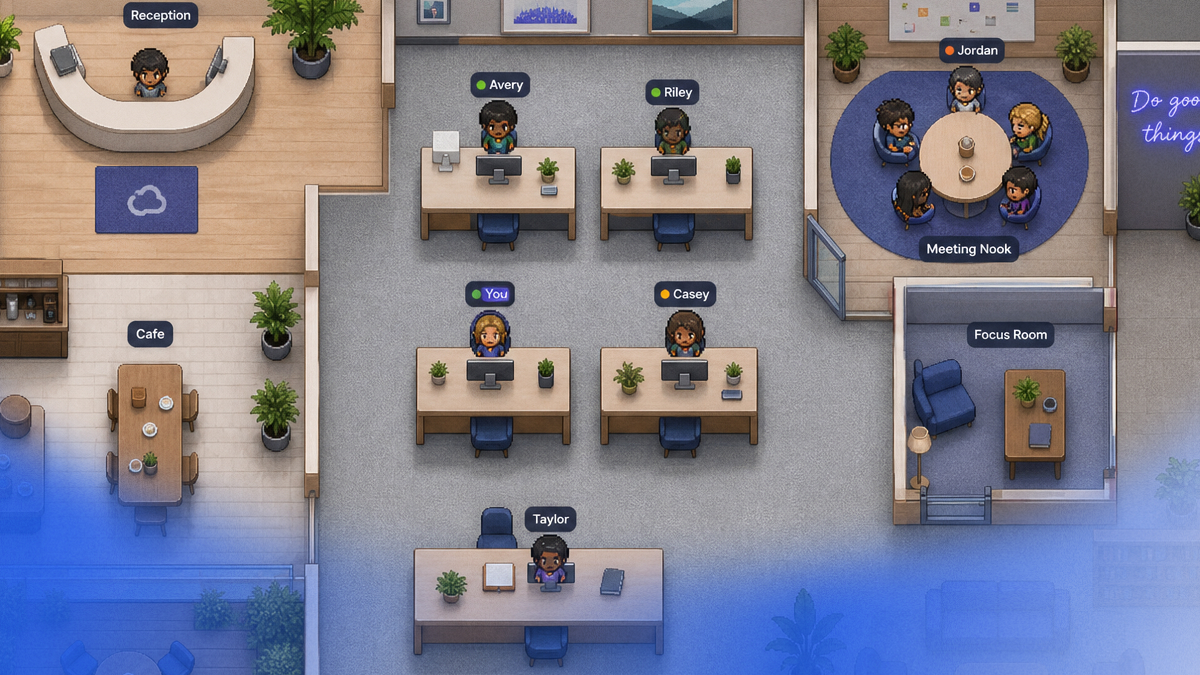
Strategic planning sessions occur less frequently but are vital to a comprehensive meeting cadence. Monthly or quarterly reviews allow leadership and teams to step back from daily operations to evaluate high-level performance and adjust long-term roadmaps. Integrating these different layers into your meeting cadence ensures that the team remains agile while staying committed to the company's broader vision. Tools like Hurbly.ai complement this by providing real-time visibility into who is available between these scheduled sessions, fostering spontaneous collaboration.
Benefits of a Structured Meeting Cadence for Remote Teams
Implementing a rigorous meeting cadence offers several advantages for organizations operating across different time zones. First, it provides a sense of stability and routine, which is often missing in remote environments. A predictable meeting cadence ensures that every team member, regardless of their location, knows exactly when they are expected to be present for synchronous communication. This transparency reduces anxiety and prevents the feeling of isolation that can occur in distributed workforces.
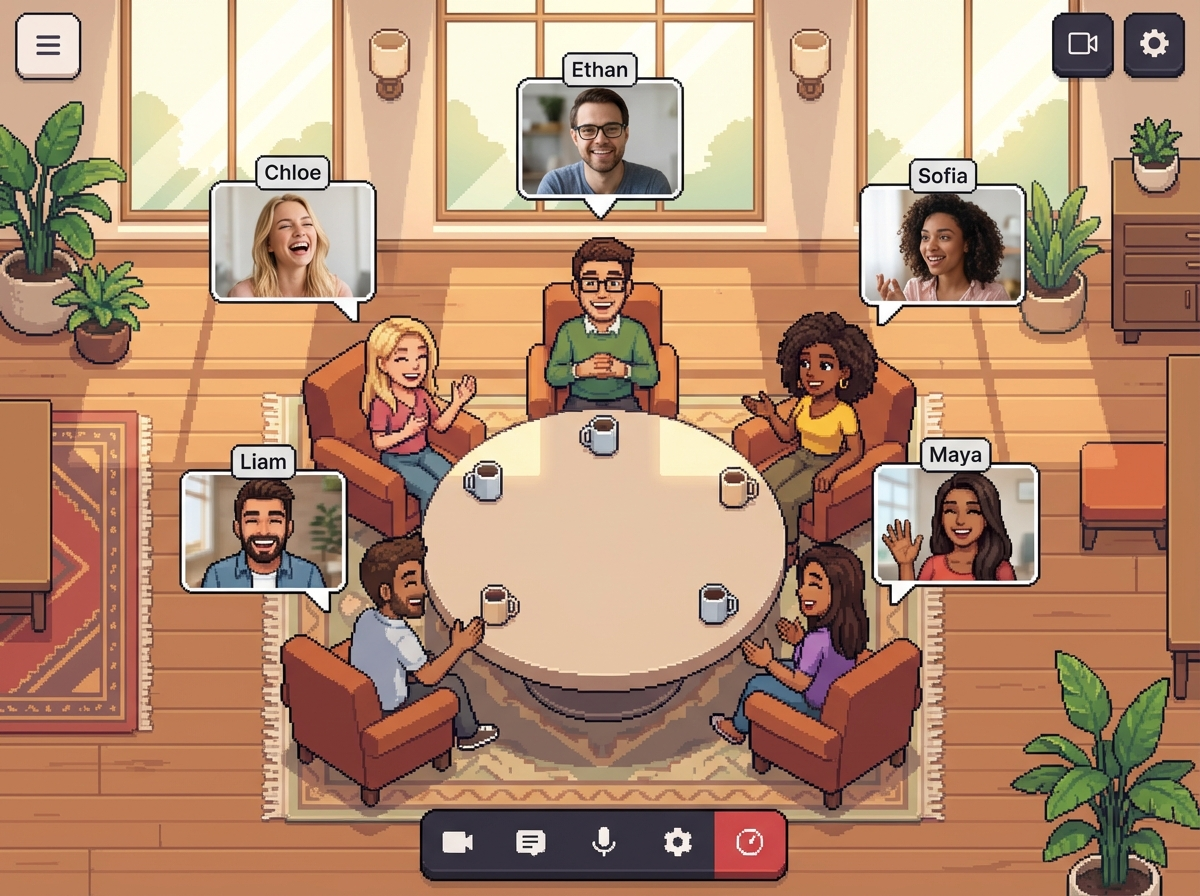
Furthermore, a disciplined meeting cadence improves decision-making speed. Because there is a dedicated time for specific topics, stakeholders come prepared with the necessary data, leading to faster conclusions. Without a defined meeting cadence, decisions often stall in long email threads or fragmented chat messages. By centralizing discussions into a rhythmic schedule, teams can maintain high momentum. Using Hurbly.ai alongside your meeting cadence allows for quick, informal "watercooler" moments that fill the gaps between formal meetings, replicating the natural flow of a physical office.
How to Design and Refine Your Team Meeting Cadence
Designing the ideal meeting cadence requires an analysis of your team's specific needs and the complexity of your projects. Start by auditing your current calendar to identify redundant sessions that do not contribute to the overall meeting cadence goals. A common mistake is having too many meetings that overlap in purpose. To refine your meeting cadence, ensure that each session has a clear agenda, a designated facilitator, and a specific frequency that matches the pace of the work being performed.
| Meeting Type | Frequency | Primary Goal |
|---|---|---|
| Daily Stand-up | Daily | Immediate blockers and daily tasks |
| Weekly Sync | Weekly | Progress tracking and tactical alignment |
| Monthly Review | Monthly | Performance metrics and monthly goals |
| Quarterly Planning | Quarterly | Long-term strategy and roadmap shifts |
Regularly soliciting feedback from the team is a critical step in maintaining an effective meeting cadence. As projects evolve, the original meeting cadence may become too heavy or too light. If team members report feeling overwhelmed, consider reducing the frequency of certain syncs or moving them to asynchronous formats. The goal of a healthy meeting cadence is to support work, not to hinder it.
Enhancing the Meeting Cadence with Real-Time Presence
While a scheduled meeting cadence handles formal communication, it cannot account for the spontaneous questions and quick clarifications that happen in a traditional office. This is where real-time presence technology enhances your established meeting cadence. By seeing who is "at their desk" or "in a deep work state," team members can decide whether to initiate a quick conversation now or wait for the next slot in the meeting cadence.
Integrating Hurbly.ai into your workflow helps bridge the gap between the structured intervals of your meeting cadence. It allows for "instant conversations" that can often resolve issues in two minutes, potentially eliminating the need for a 30-minute block in the future meeting cadence. This hybrid approach—combining a disciplined meeting cadence with fluid, real-time visibility—creates a highly efficient digital workspace where communication is both intentional and accessible.
Common Pitfalls to Avoid in Your Meeting Cadence
One major pitfall in managing a meeting cadence is "calendar crowding," where meetings are scheduled so closely together that employees have no time for execution. An effective meeting cadence should include "no-meeting" blocks to protect focus time. Another error is failing to adjust the meeting cadence during high-intensity periods, such as product launches or end-of-year reporting, when more frequent touchpoints might be necessary.
Finally, a meeting cadence fails when it becomes a ritual without results. If a meeting in the cadence consistently lacks an agenda or ends without actionable outcomes, it should be re-evaluated. Every part of the meeting cadence must add value. By staying mindful of these factors and utilizing platforms like Hurbly.ai to manage daily presence, teams can maintain a high-performing meeting cadence that drives growth and fosters a positive remote culture in 2026.