Effective Strategies for Modern Meeting Formats in 2026
In this article

Effective Strategies for Modern Meeting Formats in 2026
The way distributed teams collaborate has evolved significantly, leading to a diverse range of meeting formats designed to balance productivity with human connection. Understanding how to structure these interactions is essential for maintaining a high-performance remote culture. Instead of relying on a one-size-fits-all approach, organizations now categorize their syncs based on specific goals, such as decision-making, creative brainstorming, or status updates. Selecting the right meeting formats ensures that time is used efficiently and that team members remain engaged rather than exhausted by "zoom fatigue."
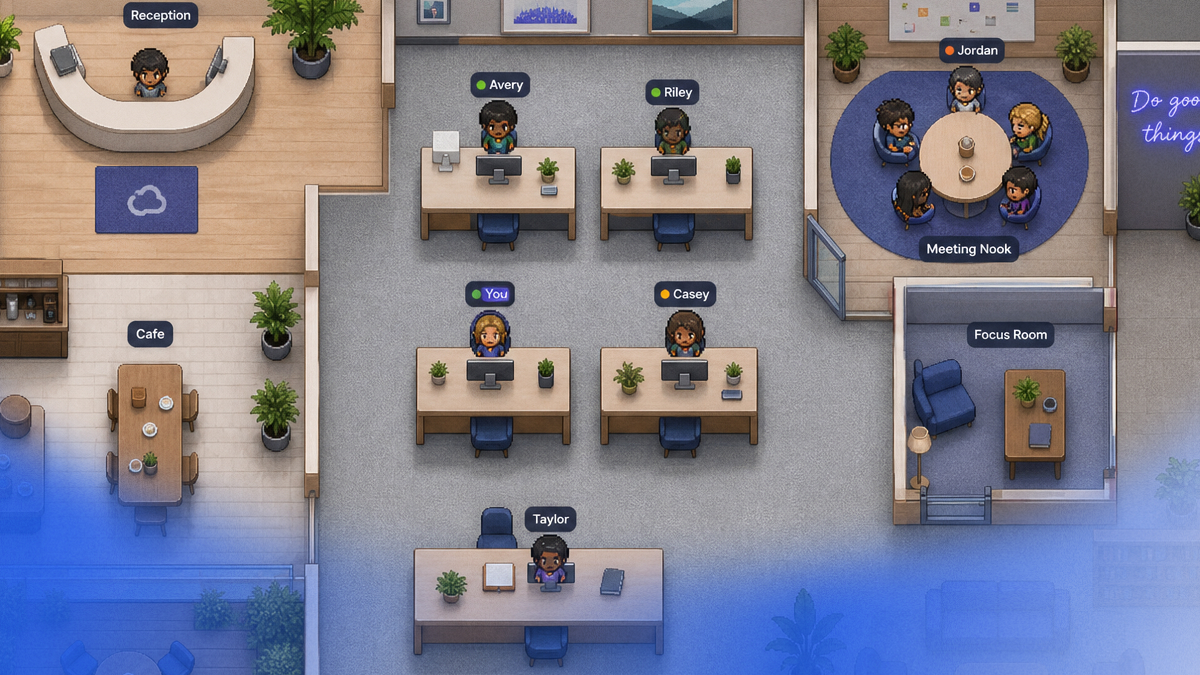
Effective meeting formats are characterized by clear agendas and defined outcomes. For instance, a tactical sync focuses on immediate blockers and resource allocation, while strategic sessions dive into long-term planning and market positioning. By diversifying your meeting formats, you allow employees to prepare mentally for the type of interaction required, whether it is a high-energy collaborative workshop or a quiet, data-driven review. Tools like Hurbly.ai support this by showing real-time availability, helping teams decide if they need a formal scheduled session or a quick, spontaneous chat.
Synchronous vs. Asynchronous Meeting Formats
Choosing between synchronous and asynchronous meeting formats depends largely on the urgency and complexity of the topic. Synchronous formats require everyone to be present at the same time, making them ideal for complex problem-solving or sensitive feedback. In contrast, asynchronous meeting formats utilize shared documents or recorded videos, allowing participants to contribute at their own pace. This flexibility is crucial for global teams operating across different time zones, as it prevents the need for late-night or early-morning calls.
| Format Type | Best Use Case | Key Benefit |
|---|---|---|
| Synchronous | Brainstorming, Conflict Resolution | Immediate feedback and rapport |
| Asynchronous | Status Updates, Document Reviews | Respects deep work and time zones |
| Hybrid | Weekly Kick-offs | Combines live alignment with offline tasks |
When implementing these meeting formats, it is important to document the results in a centralized location. This ensures that those who could not attend a live session still have access to the decisions made. Integrating Hurbly.ai into your workflow helps identify the best moments for synchronous meeting formats by displaying when colleagues are in a "focused" state or available for a quick huddle, reducing the friction of constant scheduling.
Collaborative and Creative Meeting Formats
Creative sessions require specific meeting formats that encourage open dialogue and psychological safety. Techniques such as "silent brainstorming," where participants write ideas before speaking, can prevent louder voices from dominating the conversation. These meeting formats are designed to extract the maximum amount of innovation from a group by providing structured time for both individual reflection and collective refinement. Using a digital whiteboard during these sessions helps visualize connections between disparate ideas.
To make the most of creative meeting formats, facilitators should set clear ground rules. This includes defining the problem statement upfront and setting a strict time limit for each phase of the discussion. Because these meeting formats can be mentally taxing, they are often best scheduled during mid-morning hours when cognitive energy is highest. Hurbly.ai can assist managers in spotting these windows of high availability across the team, ensuring that creative sessions don't interrupt critical deep-work periods.
Operational and Status-Based Meeting Formats
Operational meeting formats are the backbone of project management. These include daily stand-ups, sprint reviews, and retrospective sessions. The goal of these meeting formats is to maintain alignment and identify risks before they become significant issues. A daily stand-up, for example, should be brief—typically under 15 minutes—focusing only on what was done yesterday, what is planned for today, and any current obstacles.
- Daily Stand-up: A quick alignment to synchronize daily tasks.
- Sprint Planning: Defining the workload for the upcoming cycle.
- Retrospective: Analyzing past performance to improve future processes.
- Town Hall: Large-scale meeting formats for company-wide updates.
By standardizing these meeting formats, teams develop a predictable rhythm that reduces anxiety and improves transparency. When teams use Hurbly.ai, the need for some of these operational meeting formats may even decrease. Since the platform provides real-time visibility into what everyone is working on, minor status updates can happen organically, leaving formal meeting formats for more substantive discussions that require collective input.